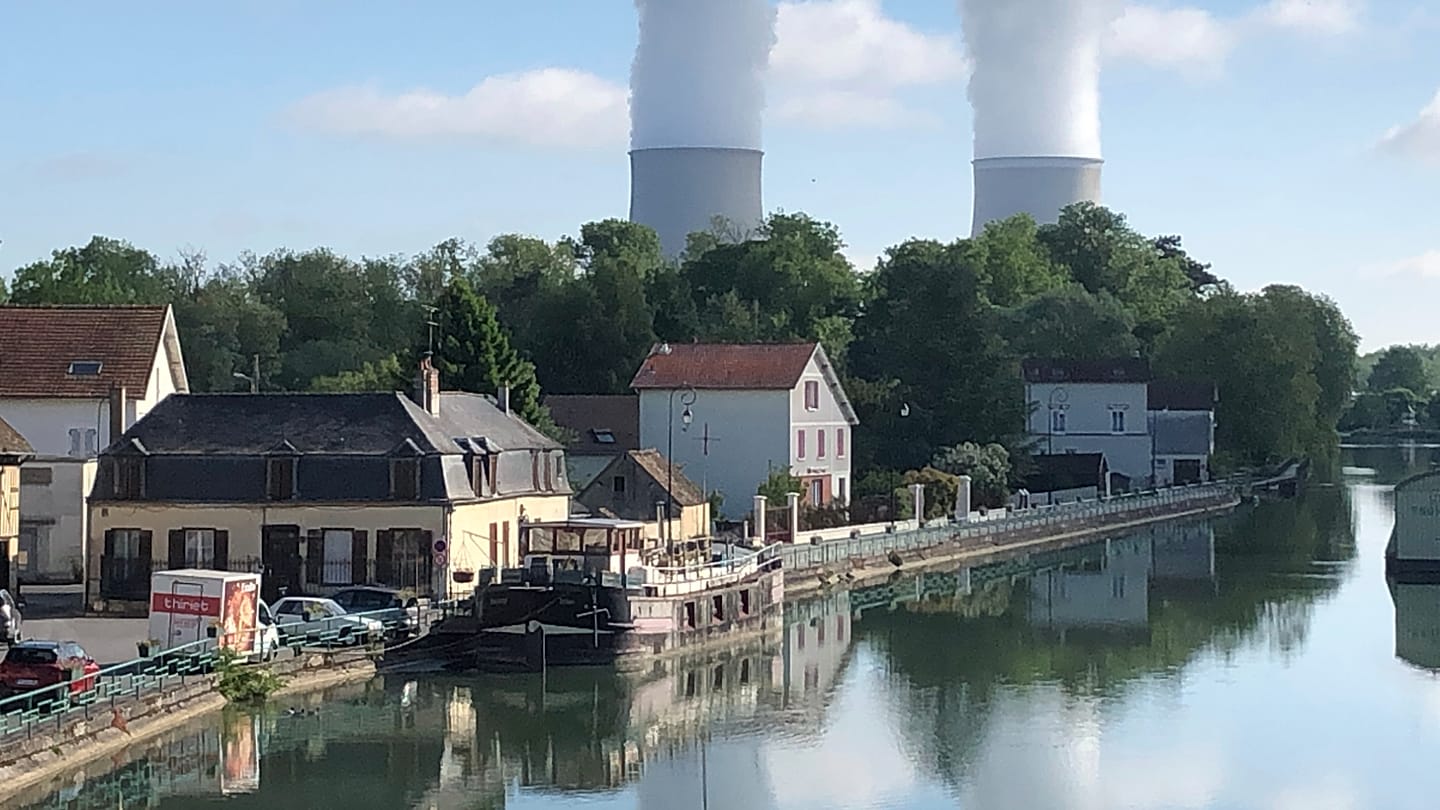
France's state-owned utility Électricité de France (EDF) has begun taking nuclear reactors offline as a severe heatwave pushes river temperatures to levels that threaten aquatic life. The move, which affects sites on the Seine and the Rhône, underscores the vulnerability of the country's nuclear-heavy energy infrastructure to climate change.
EDF cited environmental regulations that limit the temperature of water discharged back into rivers after being used for reactor cooling. When river water is already unusually warm, the margin for additional heating narrows, forcing operators to reduce output or shut down units entirely. The company did not specify how many reactors were affected, but local authorities confirmed that several units along both rivers had been curtailed.
Heatwave Intensifies Across Europe
The heatwave gripping much of the continent has sent temperatures soaring past 38°C in parts of southern France, with forecasts predicting little relief in the coming days. In Paris, the zinc roofs that cap many historic buildings have turned attic apartments into ovens, as reported earlier this week. The French capital also briefly closed the Eiffel Tower to visitors as the heat disrupted tourism operations.
The broader European heatwave has shattered records from London to Madrid, with the UK experiencing its hottest June day on record. The extreme weather is taking a disproportionate toll on vulnerable groups: working mothers, farm labourers, and low-income households are bearing the brunt of the costs, from lost productivity to health risks.
Nuclear Dependency Under Scrutiny
France relies on nuclear power for roughly 70% of its electricity, the highest share of any country in the world. The current crisis revives memories of the summer of 2022, when a combination of drought, low river levels, and maintenance issues forced EDF to cut output at multiple plants, contributing to a tight energy market across Europe.
Environmental groups have long argued that France's nuclear fleet is ill-suited to a warming climate. "We are seeing the limits of a centralised, water-intensive energy system," said Yannick Rousselet, a campaigner at Greenpeace France. "As heatwaves become more frequent and intense, the government must accelerate investments in renewables and energy efficiency."
EDF maintains that its reactors are designed to operate safely under a range of conditions and that temporary output reductions are a precautionary measure. The company has invested in cooling towers at some sites to reduce reliance on river water, but the majority of its plants still use once-through cooling systems that discharge heated water directly into waterways.
Broader Implications for European Energy Security
The situation in France comes as the European Union pushes to decarbonise its electricity grid by mid-century. Nuclear power is classified as a green investment under the EU's taxonomy, but its dependence on water resources makes it vulnerable to the very climate impacts it is meant to help mitigate.
Other European countries are watching closely. Switzerland, which also operates nuclear plants on the Rhine, has faced similar constraints during past heatwaves. Germany, which completed its nuclear phase-out in 2023, has instead expanded solar and wind capacity, though it still relies on coal and gas for backup.
The French government has not announced any emergency measures to compensate for the lost nuclear capacity. Grid operator RTE said it was monitoring the situation but did not foresee supply shortages as long as demand remains moderate. However, if the heatwave persists and more reactors are taken offline, France may need to import electricity from neighbouring countries, including Germany and Spain.
For now, the priority is protecting the ecosystems of the Seine and the Rhône. Fish populations, particularly salmon and trout, are already stressed by low oxygen levels in warm water. The environmental rules that EDF is following were designed to prevent mass die-offs and long-term damage to river biodiversity.
As the climate continues to warm, the tension between energy production and environmental protection is likely to intensify. France's nuclear reactors may be a low-carbon source of power, but they are not immune to the consequences of a changing planet.