Brussels is facing an unusual diplomatic standoff as France, backed by Slovakia, blocks the routine renewal of the EU's sanctions list against Russia. The move, which has baffled many in the bloc, is tied to Paris's efforts to secure the release of French citizens held in Azerbaijan, according to several officials and diplomats familiar with the negotiations.
The sanctions, which target nearly 3,000 Russian individuals and entities accused of supporting Moscow's full-scale invasion of Ukraine, were due to expire this week. But at a meeting of EU ambassadors, France's demand to remove Russian-Uzbek businessman Alisher Usmanov from the list forced a compromise: a one-week extension until 22 September to buy time for a solution.
“France isn't for budging, but it would send the absolute wrong message at the wrong time,” one official said on condition of anonymity. “I'm not sure what will change in a week.”
Most member states remain firmly opposed to any delisting while Russia continues its war in Ukraine and as concerns grow over hybrid attacks across Europe. Yet French officials have cited national security concerns, a principle that can override other considerations. The French government declined to comment, but one diplomat insisted, “Everything has an explanation.”
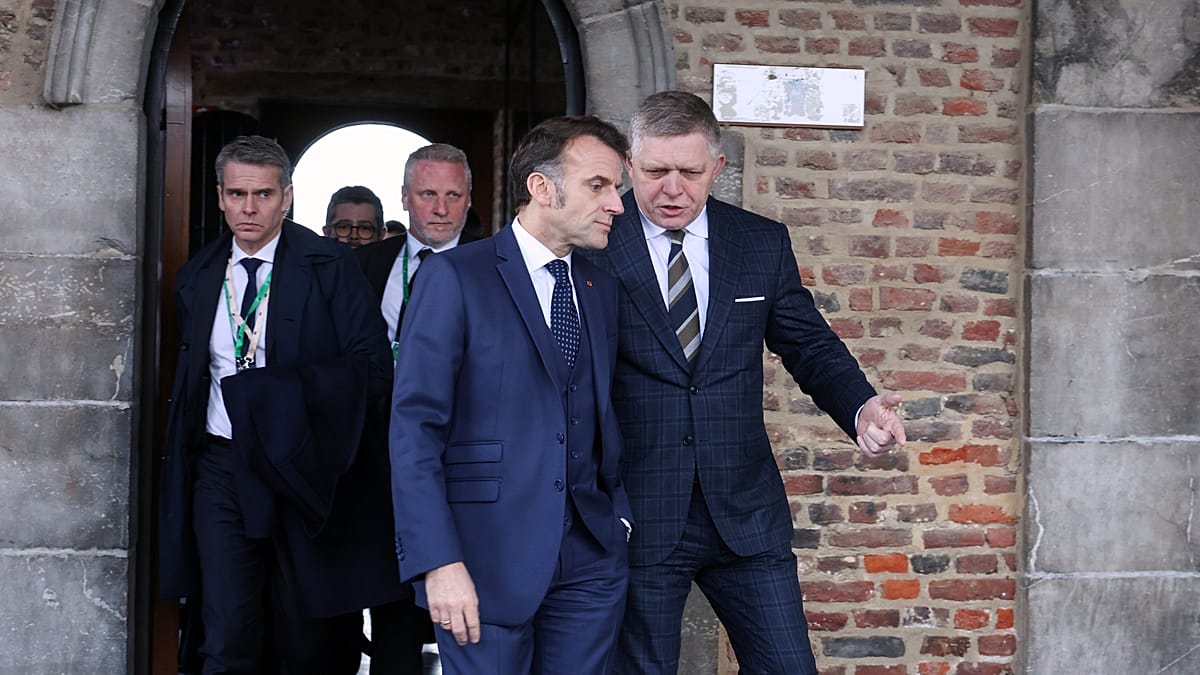
The rare Franco-Slovak alliance has raised eyebrows in Brussels, with some questioning the motivations behind the push. Slovakia has previously voiced sympathy for Moscow's narrative, but France's stance is seen as more pragmatic, linked to the fate of its citizens.
“Consultations will continue, and further discussions are expected to be held in due course,” said a spokesperson for Ireland's EU Council presidency, which is steering the talks. “Renewal of the listings is essential to continue undermining Russia's war machine, and keeping the pressure on those individuals and entities supporting, enabling and benefitting from it. This is a priority for the Presidency.”
State of the Union countdown
The standoff comes just as European Commission President Ursula von der Leyen prepares to deliver her annual State of the Union address to the European Parliament in Strasbourg on Thursday. The speech is expected to cover a wide range of topics, from defence readiness to natural disasters, and will set the agenda for the next legislative cycle.
Our team has parsed last year's promises to assess von der Leyen's track record, and the results are mixed. Many initiatives have been launched, but others have been quietly dropped or have stalled.
One notable development is the Commission's U-turn on Canadian Prime Minister Mark Carney's visit. Initially, von der Leyen was expected to skip Carney's address to the plenary, but a spokesperson confirmed she will now attend, after her agenda was rearranged to “make it possible”. Carney, who is the guest of honour, has publicly advocated for a “unique alliance” between Brussels and Ottawa, and von der Leyen may use her speech to outline a deeper EU-Canada relationship. However, experts suggest that the revamped partnership is likely to be symbolic, with meaningful trade and economic integration requiring lengthy negotiations.
In other news, the Commission is set to propose new rules restricting children's access to social media platforms like Instagram, TikTok, and YouTube, as well as introducing safety requirements for video games and AI chatbots. According to a confidential document obtained by our colleague Luca Bertuzzi, minors under 15 would need parental approval to create accounts, and tech companies would be required to design their services with safety in mind. The proposal, expected to be unveiled Thursday, follows similar moves by several member states, including France's own efforts.
Meanwhile, the Commission's Vice-President for social rights, Roxana Mînzatu, has told Europe Today that a new EU platform on labour mobility, to be presented today, will help Europeans avoid “wasting their skills” when moving across borders. The platform aims to simplify the process of requesting, receiving, and verifying social security documents online, ensuring that citizens' rights are upheld across the bloc.
In Ukraine, President Volodymyr Zelenskyy has suspended Prosecutor General Ruslan Kravchenko after he left the country amid a corruption scandal. Kravchenko crossed the border overnight and later released a video claiming he had signed a notice of suspicion against Semen Kryvonos, director of the National Anti-Corruption Bureau (NABU), alleging document forgery. Kryvonos rejected the claim, and NABU and the Specialised Anti-Corruption Prosecutor's Office described Kravchenko's actions as part of a “systematic attack” on Ukraine's independent anti-corruption institutions.