France's media regulator, Arcom, announced on Thursday that it will extend its oversight to online influencers and content creators, monitoring them for political bias in the run-up to the 2027 presidential election. The decision marks a significant broadening of Arcom's traditional remit, which has historically focused on television and radio broadcasters.
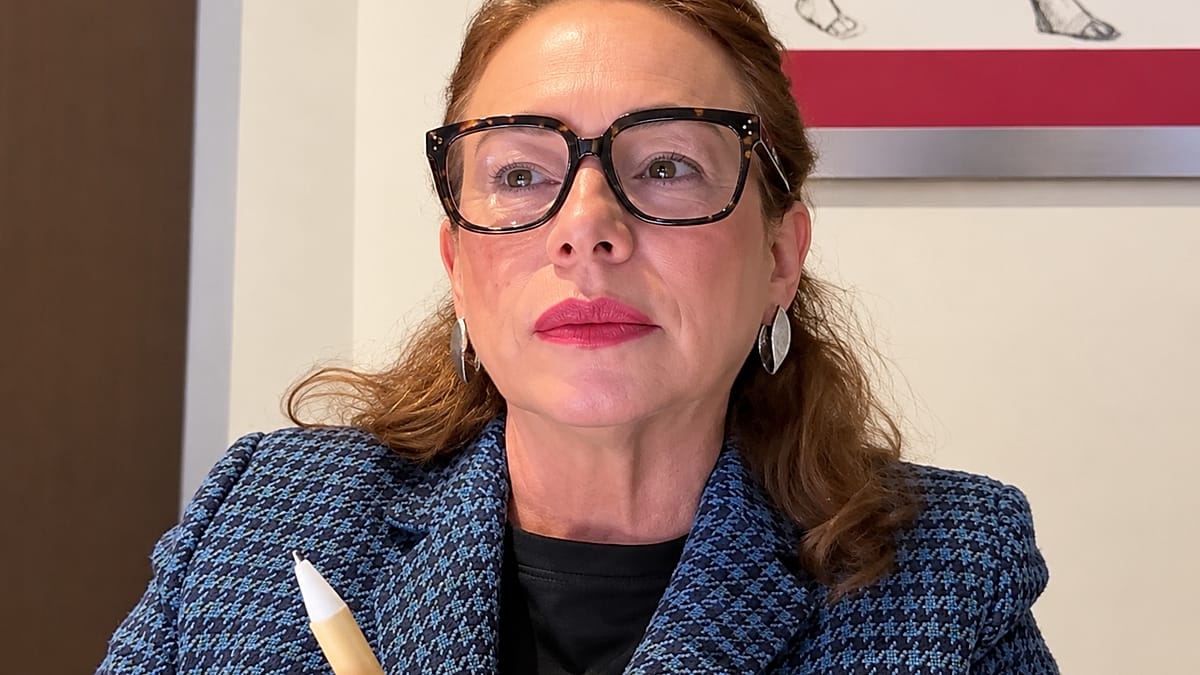
Speaking at a press conference in Paris, Arcom president Martin Ajdari highlighted the scale of the change: "There's a new phenomenon, it's here and it's massive." He noted that popular YouTubers and other creators often command audiences that rival or exceed those of conventional media outlets, particularly among younger viewers.
New rules for digital platforms
Under existing Arcom rules, presidential candidates are entitled to airtime proportional to their projected electoral support during the initial phase of the campaign. From 5 to 30 April, all candidates must receive equal airtime. These principles will now be applied to major video content creators on platforms like YouTube, though Ajdari stressed that audio-only podcasters will not be affected.
"This issue arises in very concrete terms for creators whose audiences exceed those of traditional television channels," Ajdari added. The regulator will focus on the largest French-language channels, which are seen as having the potential to sway public opinion in a way comparable to legacy broadcasters.
The announcement comes as France prepares for a presidential election scheduled for 18 April and 2 May 2027, with far-right leader Marine Le Pen currently leading in opinion polls. Parliamentary elections are expected to follow in June. The political landscape is already tense, with Le Pen's recent statements on Ukraine drawing attention to her foreign policy stance.
France has been at the forefront of regulating online content. In 2023, the country passed legislation introducing potential prison sentences and fines for influencers who fail to disclose paid promotions or advertise fraudulent products. The new Arcom initiative builds on that foundation, extending political neutrality rules to the digital sphere.
The move has sparked debate about the balance between regulating political discourse and protecting free expression. Some critics argue that monitoring individual creators could have a chilling effect on political commentary, while supporters say it is necessary to ensure fairness in the electoral process.
Arcom's decision also reflects broader European concerns about the influence of online platforms on democratic processes. The EU's Digital Services Act already imposes transparency obligations on large platforms, but France is taking a more direct approach by targeting individual creators.
As the 2027 campaign approaches, the regulator's role will be closely watched. With ongoing social unrest and a fragmented political landscape, the ability of online voices to shape public opinion is likely to be a key battleground. Arcom's new powers could set a precedent for other European countries grappling with similar challenges.
For now, the regulator has not specified which channels will be monitored or how compliance will be enforced. Ajdari indicated that guidelines would be published in the coming months, offering creators clarity on what constitutes political bias under the new rules.
The expansion of Arcom's authority is a clear signal that France intends to treat online influencers as serious players in the democratic process. Whether this approach will be effective—or legally challenged—remains to be seen, but it underscores the growing importance of digital platforms in European politics.