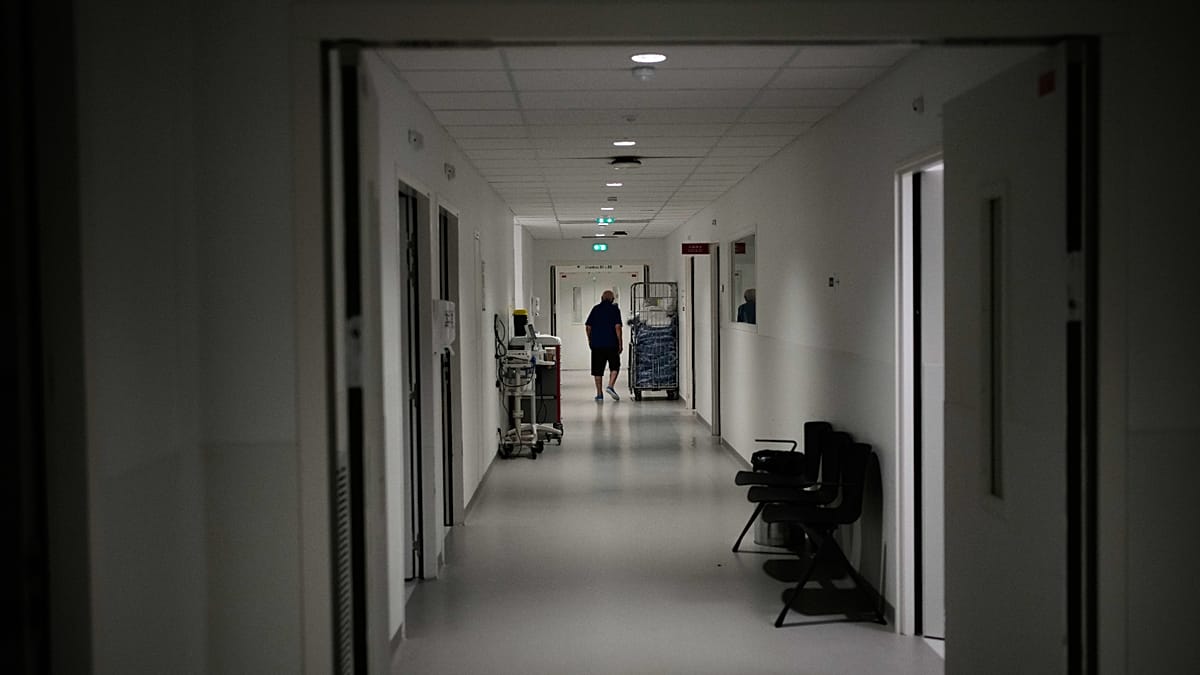
France has recorded its first case of Ebola on home soil, but the outcome has brought relief rather than alarm. Health Minister Stéphanie Rist announced that the patient—a humanitarian doctor—has fully recovered and been discharged from hospital after two negative PCR tests.
The doctor arrived in France on 23 June aboard a flight from the Democratic Republic of Congo. He initially reported only a mild headache, but his condition worsened during the journey. Upon landing, he was immediately placed in isolation, and health authorities swiftly activated containment protocols.
Rist described the patient as “only mildly symptomatic” and stressed that he received close medical monitoring in full compliance with established health guidelines. Five individuals who had contact with him are now under home quarantine for 21 days, the standard incubation period for the virus.
Ebola in Europe: A Rare but Serious Threat
Ebola is not highly contagious compared to airborne viruses, but it can cause severe haemorrhagic fever with a high fatality rate. The current outbreak in the Democratic Republic of Congo has claimed at least 452 lives as of 3 July, according to the latest figures. The virus continues to spread, with a recent case confirmed in Kisangani, a major city roughly 600 kilometres from the epicentre of the crisis.
This incident underscores the importance of robust public health surveillance at European entry points. France’s response—rapid isolation, contact tracing, and transparent communication—mirrors protocols refined during earlier global health emergencies. The country’s health system has been under strain from other pressures, including a recent heatwave that pushed hospitals to adapt quickly, but this case was managed without wider disruption.
The doctor’s recovery is a testament to the effectiveness of early detection and supportive care. While the risk to the general public remains low, the episode serves as a reminder that global health security depends on vigilance at national borders and within healthcare networks across Europe.
As the DRC outbreak continues, European health authorities remain on alert. The European Centre for Disease Prevention and Control has issued guidance for member states, emphasising the need for preparedness without causing undue alarm. For now, France can count this case as a successful containment—one that highlights both the challenges and the capabilities of modern public health systems.