The Group of Seven major democracies has agreed to release up to 100 million barrels of oil from strategic reserves over the next four months, in a coordinated effort to tame soaring energy costs, with a particular emphasis on diesel. The announcement, made under the French presidency of the G7, comes after weeks of mounting pressure from Washington and amid fears that a possible US ban on diesel exports could further strain global supplies.
A coordinated response through the IEA
The release will be coordinated by the International Energy Agency (IEA), with a substantial portion of diesel expected to be made available within the first 20 days, according to a G7 statement. French President Emmanuel Macron, who currently holds the G7 presidency, said the countries had agreed to act together to ease pressure on energy prices.
“We will implement our commitments with a coordinated release through the IEA of 100 million barrels to begin immediately over four months,” the statement said.
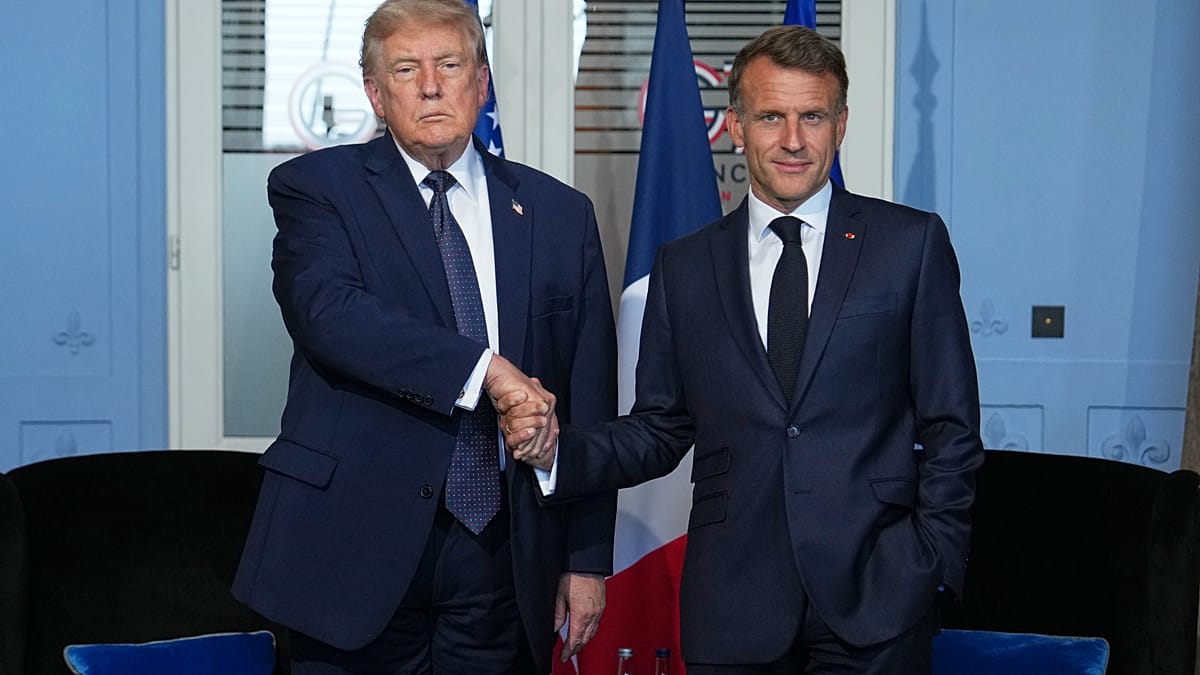
The decision follows an overnight call between Macron and US President Donald Trump, which appears to have helped push Paris toward action. Earlier on Friday, the European Commission had pushed back against what it described as US “threats” to force European countries to act. But the prospect of a US diesel export ban—a measure Trump has threatened—heightened concerns across the continent, where diesel is a critical fuel for transport and agriculture.
Why diesel matters for Europe
Diesel is the lifeblood of Europe’s economy, powering trucks, buses, farm machinery, and heating systems in many countries. The recent surge in diesel prices has hit households and businesses hard, from hauliers in Poland to farmers in France. The G7 package also includes measures to increase refinery output and a pledge not to restrict trade in energy and oil products between partner countries.
The 100 million barrels would amount to roughly 830,000 barrels a day if released evenly over four months. But the actual impact on pump prices will depend on how quickly countries release their stocks and how much of the oil can ultimately be turned into diesel. Strategic crude releases do not immediately translate into extra diesel supplies; refineries must first process the crude, with capacity, logistics, and the type of crude available all affecting how much fuel reaches consumers.
As analysts have noted, Europe’s diesel stockpile covers only about ten days of global demand, underscoring the fragility of the market. The IEA’s coordination will be crucial in ensuring that the release is both timely and effective.
Political tensions and European unity
The agreement marks a rare moment of transatlantic unity on energy, but it also highlights the underlying tensions. The European Commission had initially resisted US pressure, viewing it as an infringement on national sovereignty over strategic reserves. However, the threat of a US diesel export ban—which would have severe repercussions for European supply—forced a rethink.
France, which has been at the forefront of the G7 presidency, played a pivotal role in brokering the deal. The overnight call between Macron and Trump was instrumental in bridging the gap, according to sources familiar with the matter. The G7’s commitment to avoid trade restrictions on energy products is seen as a concession to European concerns about supply security.
For European consumers, the release may offer some relief at the pump, but experts caution that it is not a silver bullet. The emergency energy talks convened by the EU earlier this week reflect the urgency of the situation. As diesel prices hit record highs across the bloc, governments are under pressure to act.
The G7’s move is a significant step, but the real test will be in the coming weeks as the released barrels reach the market. Whether it will be enough to stabilize prices remains an open question, especially if global demand continues to outpace supply.