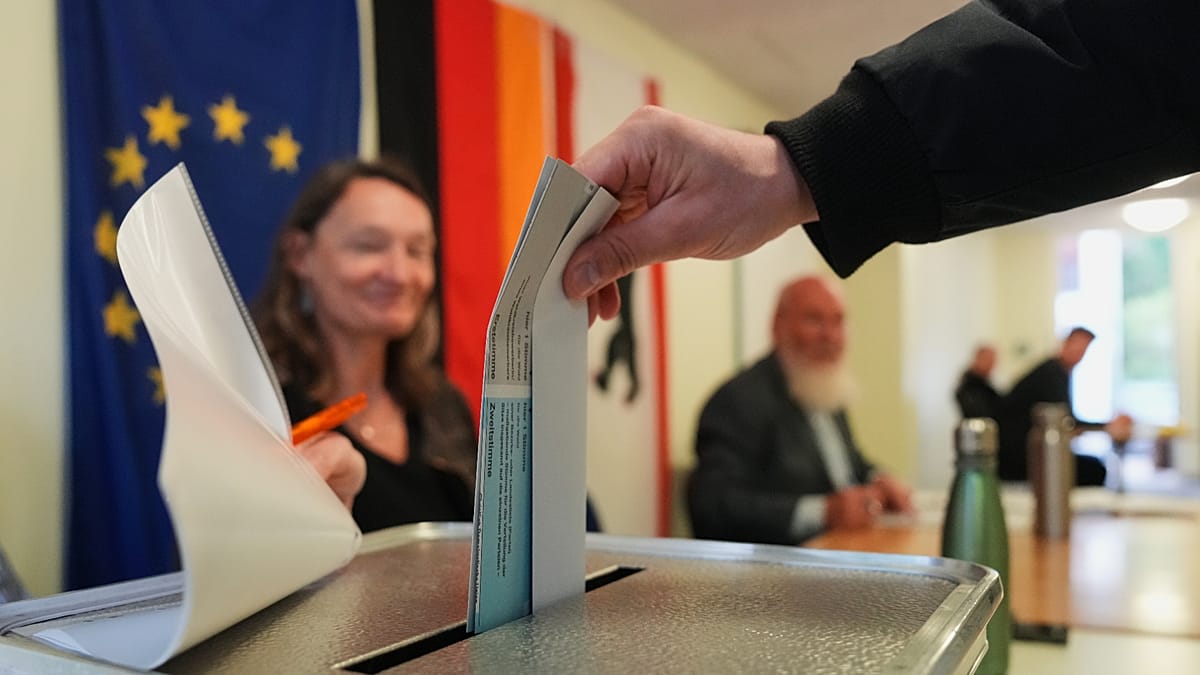
Voters in two German states head to the polls on Sunday in elections that could have significant implications for Chancellor Friedrich Merz and the stability of his governing coalition. The contests in Berlin and Mecklenburg–Western Pomerania come at a time when public discontent with the federal government is palpable, and both the far-right and far-left are seeking to capitalize on it.
Berlin: a tight race between CDU and Die Linke
In the capital, Merz's Christian Democratic Union (CDU) is locked in a close battle with Die Linke, the left-wing party that has gained traction among younger voters with its promises to tackle the housing crisis. The CDU, which has governed Berlin in a coalition with the Social Democrats (SPD) since 2023, faces the possibility of losing its position as the largest party in the city-state's parliament.
Die Linke has focused its campaign on rent control and the construction of affordable housing, issues that resonate deeply in a city where property prices have soared over the past decade. The party's appeal to first-time voters and students could prove decisive in a state where turnout among the young is traditionally lower but has been rising in recent elections.
For Merz, a defeat in Berlin would be a personal blow, as he has staked much of his political capital on reviving the CDU's fortunes after years in opposition. The chancellor, who took office in May 2025, has seen his approval ratings slide amid internal party disputes and a series of policy missteps.
Mecklenburg–Western Pomerania: AfD challenges SPD stronghold
In the northeastern coastal state of Mecklenburg–Western Pomerania, the main contest is between the Social Democratic Party (SPD) and the far-right Alternative for Germany (AfD). The AfD enters the vote with momentum, having achieved a notable victory in Saxony-Anhalt earlier this month, where it became the strongest party in the state parliament.
The party is hoping to replicate that success in "MeckPomm," as the state is colloquially known. However, it faces a formidable opponent in Manuela Schwesig, the SPD's minister-president, who has governed the state since 2017 and remains popular among voters for her pragmatic leadership style.
Recent polls suggest the AfD holds a narrow lead over the SPD in Mecklenburg–Western Pomerania, with the CDU hovering around the 5% threshold needed to retain representation in the state parliament. A strong showing for the AfD would further embolden the party's national leadership and intensify pressure on Merz to adopt a harder line on immigration and security.
Voters express frustration with the status quo
Outside a polling station in the southern outskirts of Berlin, Moritz Lembke-Oezer, a 43-year-old voter, voiced a sentiment shared by many. "I fear the AfD could benefit from this election, but I also hope the CDU gets punished," he told AFP. "Maybe then Friedrich Merz will be gone." Lembke-Oezer said he planned to vote for Die Linke because of the party's commitment to addressing the housing shortage.
In Schwerin, the capital of Mecklenburg–Western Pomerania, pensioner Peter Sommer expressed a different view. "I'd be in favour of the AfD winning, because then they'll have to prove themselves: either something will happen, or it'll be the last time they get any votes," he told AFP.
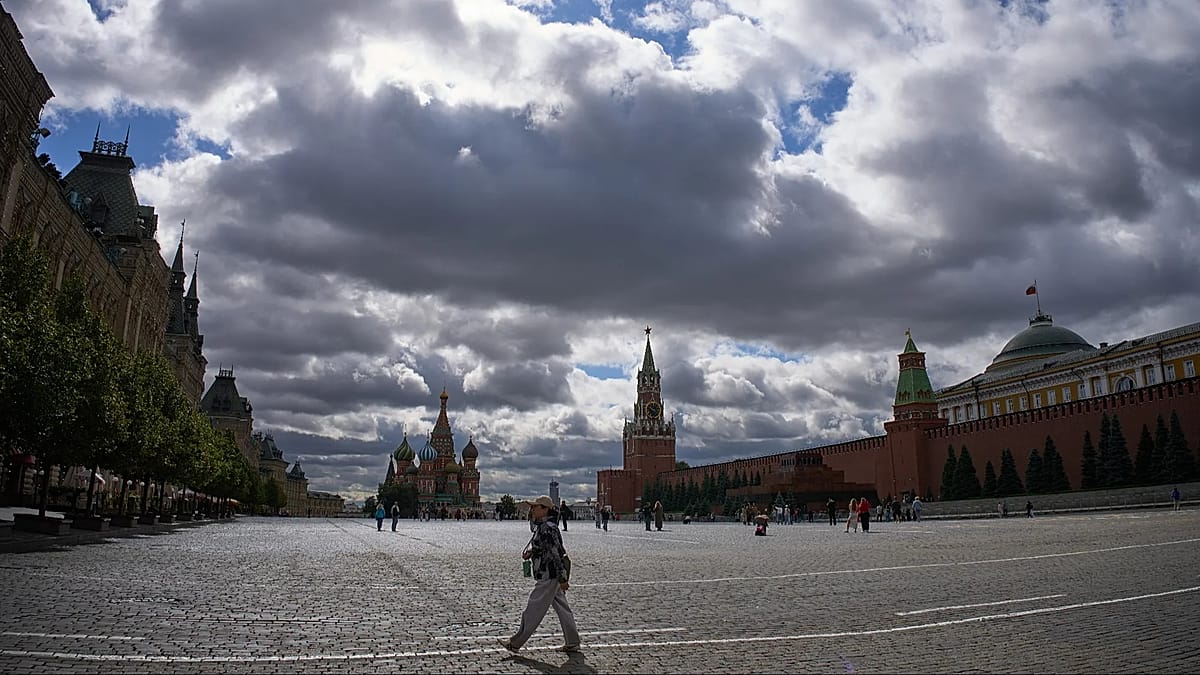
The elections come amid broader political turbulence in Europe, with Russia's parliamentary elections taking place under tightened control and the EU grappling with internal divisions over migration and defence. The results in Germany could also influence the upcoming State of the Union address by European Commission President Ursula von der Leyen, as she seeks to rally member states around a common agenda.
For Merz, the stakes are high. A poor showing in either state could embolden critics within his own party and weaken his authority ahead of the federal elections scheduled for 2027. Some analysts suggest that a significant loss in Berlin might trigger a leadership challenge, although no formal moves have been made so far.
The CDU's national leadership is closely watching the results, with party strategists acknowledging that the mood among voters is volatile. "We are not taking anything for granted," said one senior CDU official, speaking on condition of anonymity. "The electorate is restless, and we need to listen more carefully."
As the votes are counted, the political landscape in Germany could shift in ways that reverberate across the European Union. The rise of populist parties in Germany, the bloc's largest economy, has implications for EU policy on everything from fiscal discipline to migration. The outcome of these state elections will be a key indicator of whether the centrist parties can hold the line against the extremes.