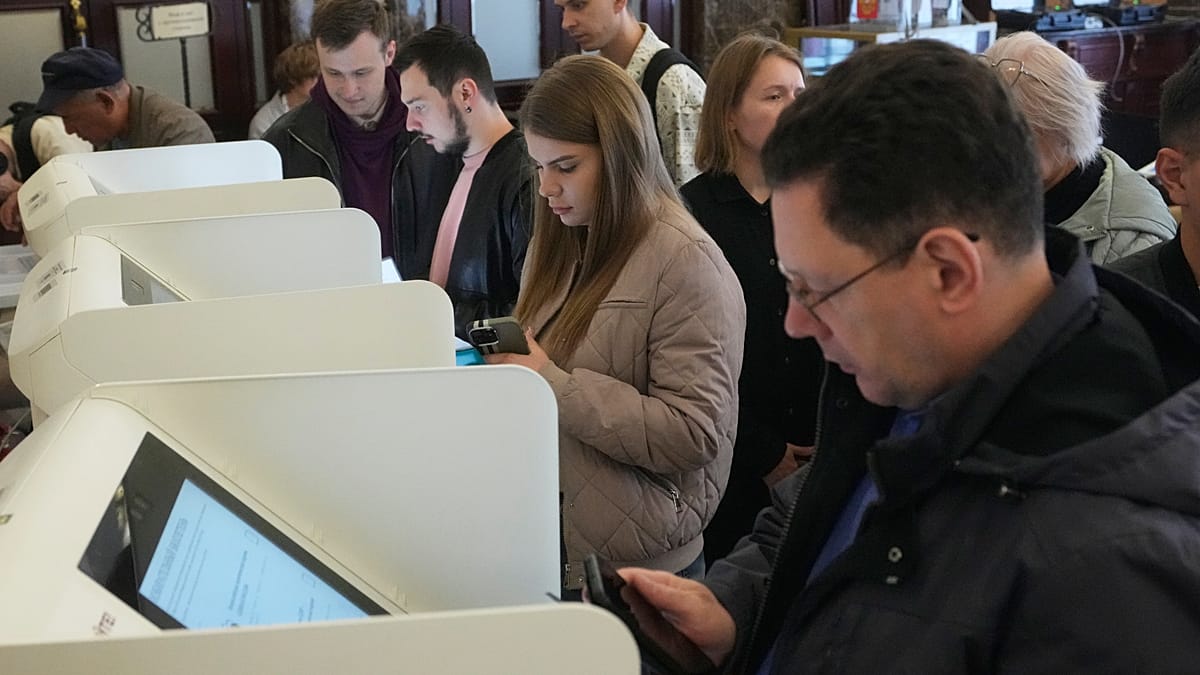
Russia's nationwide parliamentary election got underway on Friday, with polling stations opening first in the Far East before spreading westward across the country's 11 time zones. The vote, which runs until Sunday evening, will determine the composition of all 450 seats in the State Duma, the lower house of the Federal Assembly.
The election takes place against the backdrop of the ongoing war in Ukraine, which has reshaped Russia's political landscape and intensified scrutiny of the electoral process. Kremlin critics and independent observers have long pointed to systemic irregularities, and this year's vote is expected to be no exception, with opposition figures largely sidelined or barred from running.
A vote under wartime conditions
Russian authorities have framed the election as a demonstration of national unity, but the war has introduced new layers of control. The Central Election Commission reported that voting would be held over three days to reduce crowding, a practice first introduced during the COVID-19 pandemic and now used to facilitate administrative oversight. In occupied territories of Ukraine, Russian-installed officials have also claimed to be holding votes, a move widely condemned by Kyiv and Western governments as illegal.
The war has also affected the political environment in other ways. Several prominent opposition politicians, including Alexei Navalny's allies, are either in prison, in exile, or have been disqualified from standing. The Kremlin's United Russia party is widely expected to retain its supermajority, though analysts note that public discontent over the war's human and economic costs could erode support in some regions.
In the Far East, where voting began at 8 a.m. local time on Friday, queues were reported at some polling stations, though turnout figures will only be released after the polls close. Election officials have promised transparency, but independent monitoring groups, such as Golos, have reported difficulties in accessing the process.
European reactions and regional implications
The election has drawn sharp criticism from European capitals. The European Union has repeatedly condemned Russia's electoral practices and its attempts to legitimize the annexation of Ukrainian territories. In a statement, the bloc's foreign policy chief called the vote a "sham" and reiterated that the EU would never recognize the results in occupied areas. This stance aligns with broader European efforts to isolate Moscow, including new sanctions passed by the US Congress that also target third countries aiding Russia.
The war's spillover effects continue to be felt across Europe. Poland and other NATO allies have repeatedly scrambled jets in response to Russian missile strikes near their borders, and Polish Prime Minister Donald Tusk has warned of drone incursions into NATO airspace. Meanwhile, EU defence officials have called for Russia to pay a "painful price" for hybrid attacks, including sabotage and cyber operations.
For ordinary Russians, the election is taking place amid rising inflation and Western sanctions that have squeezed living standards. Many voters interviewed by local media expressed fatigue with the war, though open dissent remains risky. The authorities have intensified crackdowns on anti-war protests, and several activists have been sentenced to long prison terms.
The Duma election is also being watched for its potential impact on Russia's political trajectory. While President Vladimir Putin is not up for re-election until 2024, the composition of the Duma will shape legislation on everything from the budget to military conscription. Some analysts suggest that a weakened United Russia could prompt the Kremlin to rely more heavily on nationalist factions, potentially hardening its stance on Ukraine.
As voting continues, international observers are largely absent, with the Organization for Security and Co-operation in Europe (OSCE) declining to send a mission due to restrictions imposed by Moscow. The lack of independent oversight has fueled concerns about the credibility of the results, which are expected to be announced early next week.
For Europe, the election serves as a reminder of the deepening divide between Russia and the West. The EU has pledged continued support for Ukraine, and transatlantic ties have been reshaped by US pressure, but the bloc remains united in its condemnation of Moscow's actions. As the war grinds on, the outcome of Russia's parliamentary vote will likely reinforce the status quo, with little room for political change.