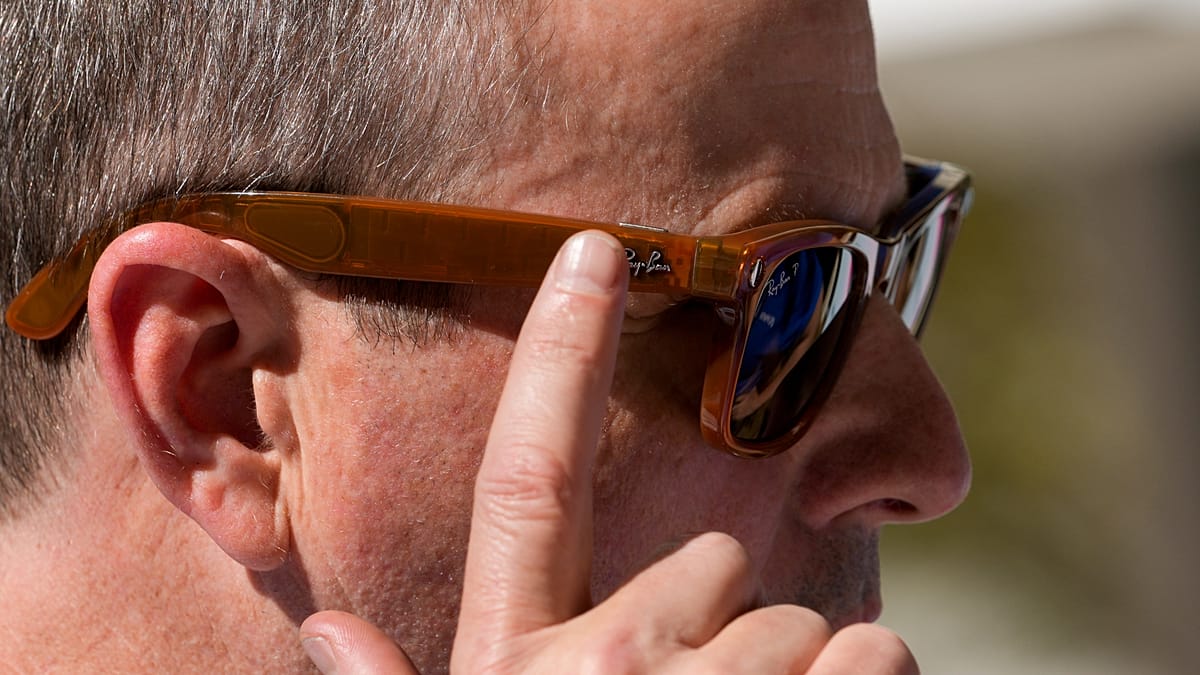
The German digital rights organisation HateAid has lodged a criminal complaint with the country's Central Office for Combating Internet Crime, targeting Meta, Ray-Ban, Oakley and several eyewear retailers. The move seeks to halt sales of the Ray-Ban Meta Wayfarer glasses, which integrate artificial intelligence and a camera into frames that look like ordinary eyewear.
HateAid argues that the product breaches Germany's Telecommunications, Digital Services and Data Protection Act. The group contends that the glasses are virtually indistinguishable from standard spectacles, and with roughly 41 million people in Germany wearing glasses, the device could normalise a particularly discreet form of surveillance. The complaint warns of what it calls “image-based digital violence”, where individuals are filmed or photographed without their knowledge or consent.
Divergent rules on public photography across the EU
German law is notably stricter than many of its EU neighbours when it comes to photographing people in public spaces. While panoramic shots of streetscapes and public events are generally permitted, capturing identifiable individuals without explicit consent is not. In contrast, countries such as France, Spain and the Netherlands allow more leeway for photographing passers-by, provided the images are not used for malicious, commercial or vigilante purposes.
This patchwork of national rules has long been a source of friction in the EU, where the General Data Protection Regulation (GDPR) was meant to harmonise data protection. Yet public photography and filming remain areas where member states interpret the law differently. The HateAid complaint could become another flashpoint in that ongoing debate, especially as wearable technology blurs the line between personal devices and surveillance tools.
The group has also launched a petition accompanying the legal action. Its first demand is a complete ban on the sale of Ray-Ban Meta AI glasses in Germany, which would require a formal legal assessment of their compliance with national law. The second request is more pragmatic: that such devices be designed with safety in mind, making their recording function obvious. HateAid suggests colour-coding the cameras, noting that the glasses already feature a small white LED that blinks while recording, but argues this is insufficient.
The third demand addresses the broader issue of enforcement. HateAid insists that victims of digital abuse should not be left to fend for themselves, pointing to systemic weaknesses in how law enforcement and legal systems handle online harassment, stalking and non-consensual imagery. This, the group argues, is a problem that predates smart glasses and extends across the EU.
The complaint arrives amid rising concern over technology-facilitated violence, particularly against women. Data from 2024 show that Germany, France and Sweden recorded the sharpest increases in sexual violence and rape offences in Europe. In Germany alone, 30% of women report having experienced psychological violence from a partner, 32% report sexual harassment at work, and 14% report stalking. Yet reporting rates for online abuse remain low: a 2025 report from the Economist Intelligence Unit found that only one in four women who experience online abuse report it, and just 14% go to law enforcement. A striking 78% are unaware of the legal options available to combat doxing, impersonation and harassment.
The debate over Meta's glasses is not confined to Germany. In the UK, cinemas have begun weighing restrictions on the devices over concerns about piracy and patron privacy, as UK cinemas consider their own response. Meanwhile, the broader issue of surveillance technology has prompted other European actions, such as Portugal's recent ban on face coverings, which raised similar civil liberties questions.
HateAid's legal strategy may face an uphill battle. Meta has previously defended the glasses, pointing to the LED indicator and insisting that users are responsible for respecting privacy laws. But the group's underlying argument—that the device's design makes it too easy to record without consent—resonates with a growing unease about the proliferation of AI-enabled wearables.
For now, the complaint adds another layer to the EU's ongoing struggle to balance technological innovation with fundamental rights. As concerns over covert surveillance extend beyond personal devices to national security, the pressure on regulators to act decisively is mounting. Whether Germany's legal system will set a precedent for the rest of Europe remains to be seen, but the debate over who gets to watch whom is far from over.