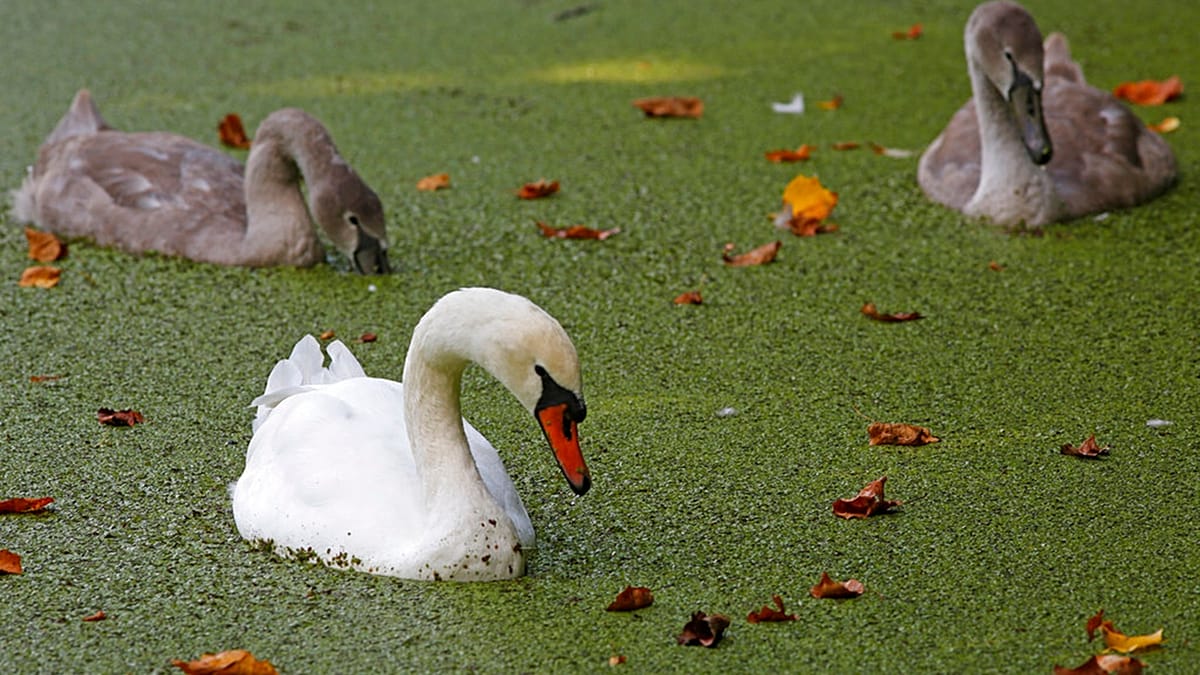
In the heart of Belgium, the picturesque canals of Ghent have taken on an unexpected hue. A dense carpet of bright green duckweed now covers the water, turning the city's historic waterways into what looks like a meadow. The phenomenon, triggered by an exceptionally hot summer, has disrupted tourist boat operations and sparked fresh debate about the realities of climate change in Europe.
Duckweed, one of the world's fastest-growing aquatic plants, thrives in warm, nutrient-rich water. This year's prolonged heatwave, which broke temperature records across Belgium, created perfect conditions for the plant to multiply at an astonishing rate. Within days, the canals of Ghent—normally a shimmering reflection of medieval facades—were transformed into a thick green blanket.
Impact on tourism and daily life
The impact has been immediate and visible. Tour boat operators, a staple of Ghent's thriving tourism industry, have had to reduce speed and navigate carefully through the dense vegetation. Some have reported engine strain and increased maintenance needs. Local residents, accustomed to the canals as a central part of the city's charm, have expressed a mix of fascination and concern.
"It's like sailing through a green desert," said one boat captain, who preferred not to be named. "We've seen duckweed before, but never like this. It's beautiful in a strange way, but it's also a warning."
The situation in Ghent is not isolated. Across Europe, extreme weather events have become more frequent and intense. This summer, wildfires ravaged parts of southern Europe, and Italy's Canadair fleet returned to Rome after a record fire season. The duckweed bloom is a quieter, but no less telling, symptom of a warming continent.
Climate change in Belgium
Belgium, like much of Western Europe, has experienced a series of unusually hot summers over the past decade. The Royal Meteorological Institute has recorded a steady upward trend in average temperatures, with 2024 shaping up to be one of the hottest years on record. Scientists point to a combination of global warming and local factors, such as urban heat islands and water management practices, that exacerbate the effects.
"Duckweed blooms are a classic indicator of environmental stress," explained Dr. Sophie Laurent, a botanist at Ghent University. "When water temperatures rise and nutrient levels are high, these plants explode. It's a natural response, but it's also a sign that our aquatic ecosystems are under pressure."
The city authorities have responded by deploying specialized boats to skim the surface and clear the canals. However, the task is daunting. The duckweed regrows quickly, and as long as the water remains warm, the problem is likely to persist. Local officials are also investigating the role of agricultural runoff, which can introduce phosphates and nitrates into the water, fueling plant growth.
Broader European context
The Ghent duckweed is a reminder that climate change is not just about melting glaciers or rising sea levels. It is also about the everyday places we live and visit. Across Europe, cities are grappling with the consequences of a changing climate, from eight EU cities vying for the 2028 green capital and leaf titles to the cruise industry defending its record as Europe's €65bn sector faces scrutiny.
For Ghent, a city that prides itself on sustainability and innovation, the green canals are both a challenge and an opportunity. The city has invested heavily in green infrastructure and is a frequent contender for European environmental awards. Yet, the duckweed bloom shows that even the most progressive cities are not immune to the effects of a warming planet.
As the summer fades and temperatures begin to drop, the duckweed may gradually recede. But the underlying issues—rising temperatures, water quality, and climate resilience—remain. The green canals of Ghent are a vivid, if ephemeral, illustration of what is at stake. For now, the city's residents and visitors are left with an unusual sight and a sobering thought: this may not be the last time the canals turn green.