A fresh travel trend is gaining momentum across Europe and beyond: 'dusking.' Unlike the frantic pace of typical sightseeing, this practice invites travellers to step outside at day's end, put away their phones, and simply observe the sky's transformation as the sun dips below the horizon. It is a deliberate rejection of constant productivity, encouraging a mindful reconnection with nature.
The concept has roots in the Netherlands and parts of Africa, where evening rituals often involve communal pauses to appreciate the fading light. Now, tourist internet connectivity company Holafly has quantified the phenomenon with its 'Global Dusking Index,' ranking the world's best destinations for experiencing dusk. The index combines atmospheric science—measuring clear skies, light scattering, and natural elements—with digital desire signals from Google Trends, social amplification on TikTok and Instagram, and real travel behaviour data from UK tourists.
Top European Destinations for Dusking
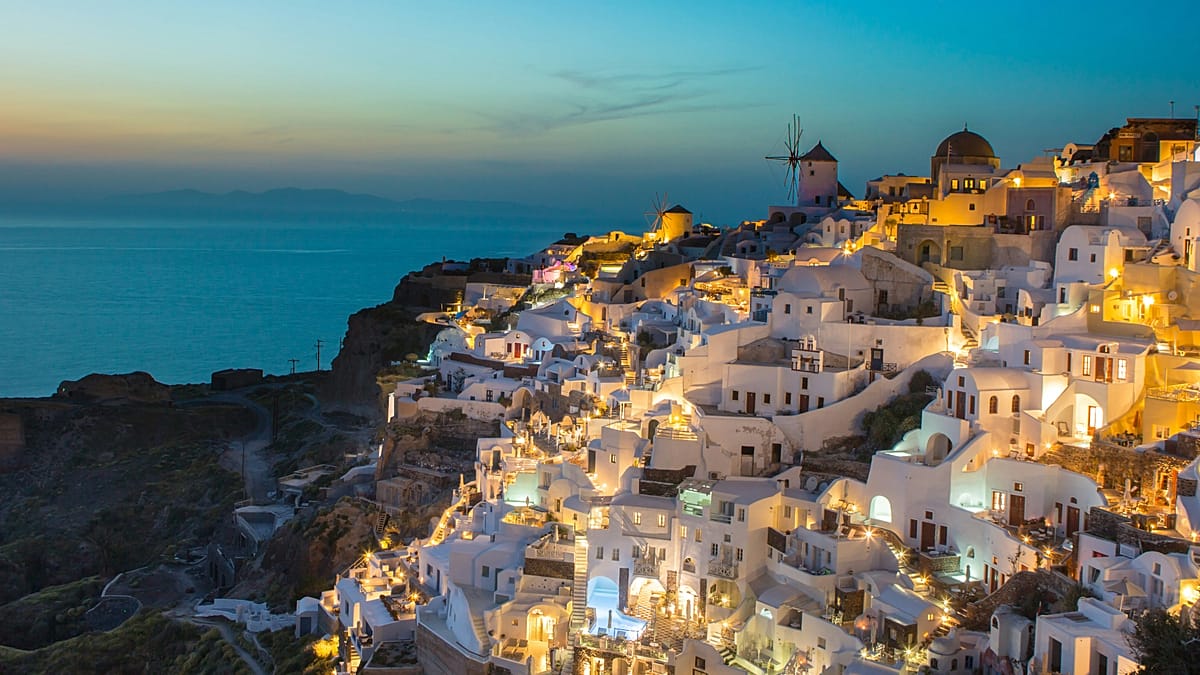
Unsurprisingly, several European locations feature prominently in the top five. Santorini, Greece, takes the top spot. While its atmospheric conditions are strong rather than flawless, the Cycladic island's immense popularity on Google and social media, coupled with the daily ritual of thousands watching the caldera's whitewashed buildings shift into moody hues, creates an undeniable magnetic energy. The magic here is as much about cultural momentum as it is about the sky itself.
Tenerife, Spain, ranks third. The Canary Island boasts exceptionally clear skies and unobstructed solar geometry, making it a reliable choice for dusking. For the most peaceful experience, the index suggests heading away from coastal resorts and up into Mount Teide, where the sunset unfolds in near silence.
Amalfi Coast, Italy, secures fourth place, scoring consistently across all four index layers. Watching the sun set over the Tyrrhenian Sea, casting long shadows across lemon groves and turning cliffs deep apricot, is a famously romantic experience. It is a strong all-rounder for those seeking both atmosphere and beauty.
Beyond the top five, other European destinations also excel. For travellers interested in alternative travel trends, consider how Slovenia's Lake Bled offers a different kind of mindful immersion, or how brutalist architecture is emerging as an unlikely draw across European cities. Meanwhile, the index's methodology reflects broader shifts in how we choose holidays, as seen in the 2026 travel trends reshaping European journeys.
The remaining top five includes Bali, Indonesia, at number two, where 'Bali golden hour' is the most searched term across all destinations, and Maldives at number five, which despite moderate atmospheric quality, dominates social media with nearly 400 million TikTok views. For Bali, the index advises leaving beach clubs behind for volcanic black sand or jungle overlooks to truly appreciate the sunset over the Indian Ocean.
Holafly's index underscores that dusking is not merely about atmospheric perfection but about the cultural and digital resonance of a place. As travellers increasingly seek slow, meaningful experiences, destinations that combine clear skies with strong social appeal are likely to remain in high demand.