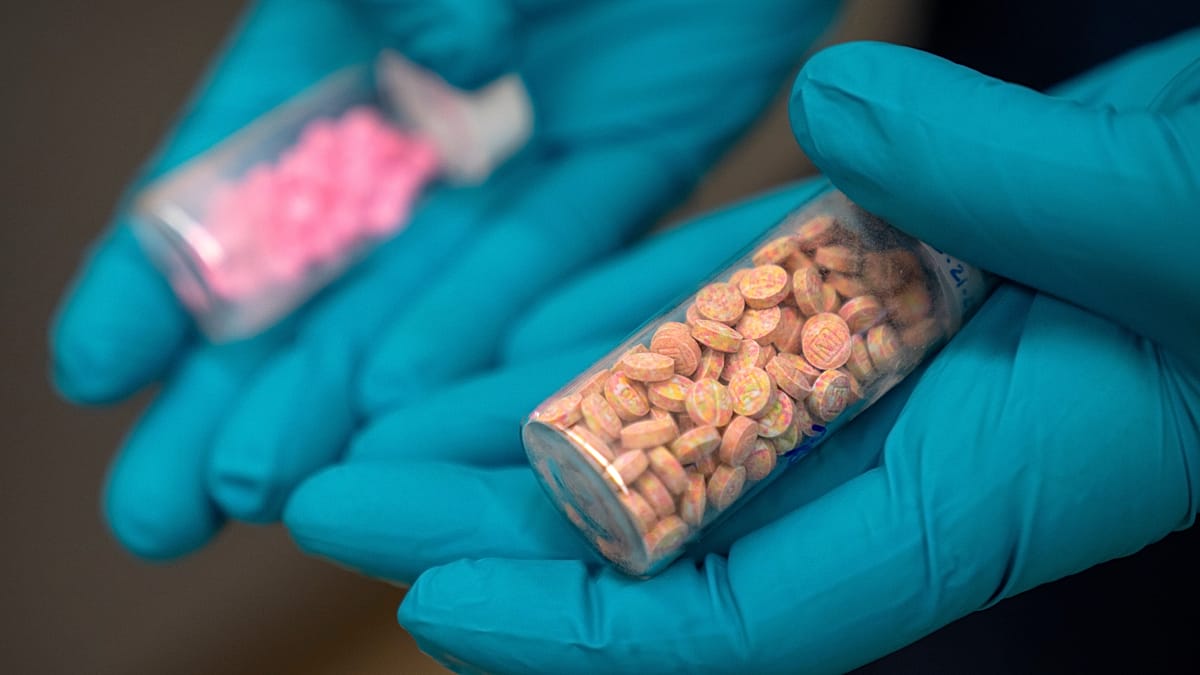
Italian authorities are on high alert after 80 vials of fentanyl were stolen from the pharmacy of Rome's Israelitic Hospital. The synthetic opioid, up to 100 times more potent than morphine, could be processed into roughly 20,000 illicit doses—a quantity that in North America has fueled a public health crisis.
The theft was reported on 24 June by the hospital's pharmacy chief. Notably, the safe showed no signs of forced entry, and keys are held by multiple staff members. Rome prosecutors have opened an investigation, with the Carabinieri's NAS unit handling the case. The charges involve theft and possession with intent to supply narcotics.
Government Response and Preventive Measures
Health Minister Orazio Schillaci ordered an immediate inspection by the ministry's competent offices. The ministry is also drafting a new circular to tighten controls on the storage and circulation of high-risk medicines. The theft prompted an emergency meeting at Palazzo Chigi, chaired by undersecretary Alfredo Mantovano, where officials stressed the need for strict adherence to protocols for managing dangerous drugs.
“In the coming days, the monitoring committee on the implementation of the anti-fentanyl plan will be reconvened at Palazzo Chigi,” a statement read, “with the aim of ensuring that all the parties involved put in place the necessary safeguards and controls.”
The Lazio Region has ordered an extraordinary inspection of the hospital's narcotic drug management. Simultaneously, it announced that local health authorities will verify the proper handling of narcotics across all regional hospitals, extending controls to guarantee the highest safety standards.
Fentanyl is legally used as an anaesthetic and for severe pain, including in cancer patients. However, non-medical use—often as a “party anaesthetic” or mixed with xylazine to create the so-called “zombie drug”—can be lethal: as little as 3 milligrams can kill. In Italy, its growing presence on the illegal market has raised alarms, leading to a national prevention plan presented in March 2024 by the Anti-Drugs Policy Department of the Prime Minister's Office.
The incident underscores broader challenges for European healthcare systems, which are already under strain from other pressures. For instance, French hospitals are racing to adapt as another heatwave looms, while Eastern Europe's hospitals have been overwhelmed as a heatwave shifts continent-wide. The theft also highlights the need for robust security protocols for controlled substances across the EU.
As investigations continue, the Italian government is determined to prevent fentanyl from becoming a widespread threat. The emergency meeting at Palazzo Chigi signals a coordinated effort to tighten controls and protect public health, with the anti-fentanyl plan's monitoring committee set to reconvene shortly.