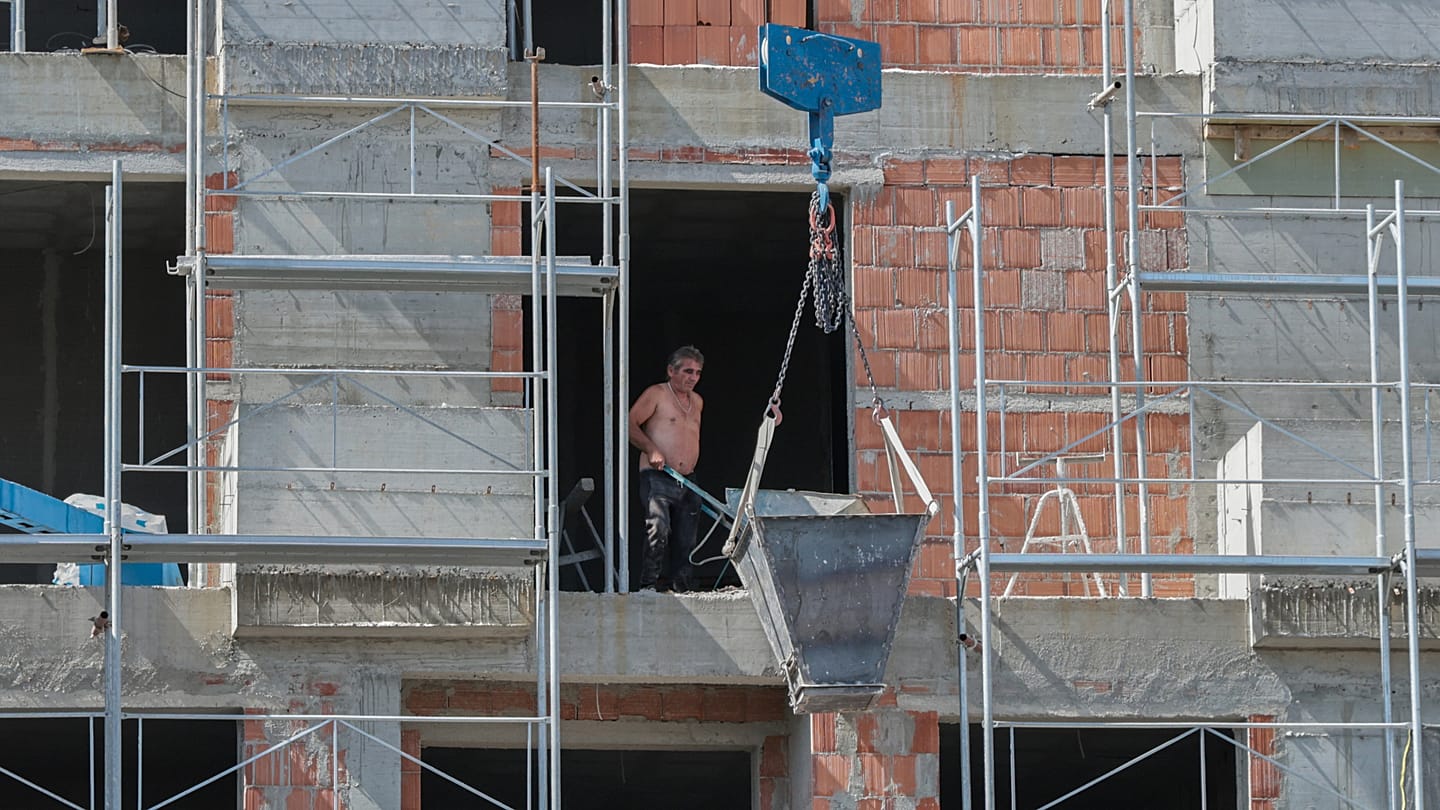
As Europe grapples with record-breaking temperatures, the European Trade Union Institute (ETUI) has issued a stark warning: heat stress now endangers approximately 130 million workers across the continent. The Brussels-based research body, which serves the European Trade Union Confederation, is urging the European Union to adopt binding legislation to safeguard workers' health during extreme heat events.
In a report released this week, the ETUI highlights that the number of workers exposed to heat stress has risen sharply in recent years, driven by climate change and the increasing frequency of heatwaves. The institute estimates that nearly half of Europe's workforce—spanning sectors from construction and agriculture to logistics and manufacturing—faces significant health risks when temperatures soar.
Why Workers Are at Risk
Heat stress occurs when the body cannot cool itself effectively, leading to symptoms ranging from heat cramps and exhaustion to life-threatening heatstroke. For outdoor workers in southern Europe—such as those in Spain, Italy, and Greece—the danger is most acute. But the threat is not confined to the Mediterranean. In cities like Paris, Berlin, and Warsaw, indoor workers in poorly ventilated factories, warehouses, and kitchens also face elevated risks.
The ETUI's proposal calls for a European directive that would mandate maximum workplace temperatures, mandatory rest breaks during heatwaves, and access to cool drinking water and shaded areas. It also recommends that employers be required to conduct heat-risk assessments and adapt work schedules to avoid the hottest parts of the day.
“The current patchwork of national rules is insufficient,” said a senior ETUI researcher. “Without EU-wide legislation, millions of workers will remain unprotected as heatwaves become more frequent and intense.”
The warning comes amid a broader pattern of extreme heat across Europe. A recent study found that the continent experienced an average of 40 additional days of extreme heat stress per year compared to pre-industrial levels. That research underscored how heat stress is becoming a deadly new normal, with implications for public health, productivity, and economic stability.
Economic and Social Costs
The economic toll is already visible. Lost productivity due to heat stress costs the EU an estimated €100 billion annually, according to the ETUI. In sectors like agriculture, where workers in southern Spain and Italy often toil under direct sun for hours, output drops sharply during heatwaves. Construction projects in cities such as Madrid and Athens frequently grind to a halt when temperatures exceed 40°C.
Beyond economics, the human cost is mounting. Heat-related deaths among workers are underreported, but data from national health agencies in France, Germany, and Italy suggest a rising trend. The ETUI argues that vulnerable groups—including migrant workers, older employees, and those with pre-existing health conditions—are disproportionately affected.
The institute's call for EU action echoes similar demands from trade unions across the continent. In France, unions have pushed for stricter enforcement of existing heat-safety rules after a series of incidents in the Paris region. In Germany, the IG Bau union has campaigned for mandatory cooling breaks on construction sites. The ETUI hopes that a unified European approach will level the playing field and ensure consistent protection.
However, the proposal faces political hurdles. Some member states, particularly those with powerful business lobbies, have resisted new regulations, arguing that they could increase costs and reduce competitiveness. The European Commission has so far not committed to drafting a directive, though it has acknowledged the growing problem in its climate adaptation strategy.
The ETUI's report is part of a broader push by European labor organizations to address the health impacts of climate change. As heatwaves become more frequent, the pressure on policymakers in Brussels and national capitals is likely to intensify. For the 130 million workers at risk, the question is whether Europe will act before the next heatwave strikes.