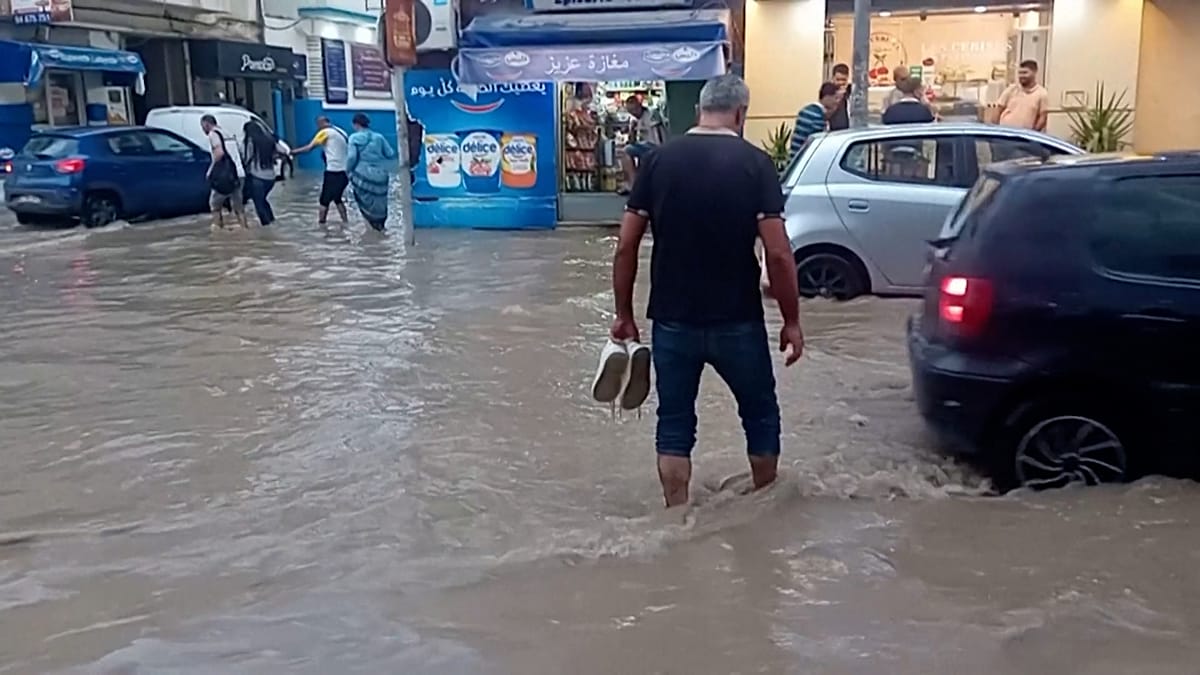
Torrential rain and violent thunderstorms swept through Tunis on 17 September, turning streets into rivers and bringing the capital to a standstill. The downpour, which began in the morning and intensified through the day, flooded major arteries, disrupted public transport, and forced the closure of schools and universities from 3 p.m. local time.
The Tunisian Ministry of Education announced the suspension of afternoon classes across the capital region, urging parents to keep children at home. Universities followed suit, with several campuses in Tunis and its suburbs cancelling lectures and exams scheduled for the afternoon. The decision came as civil protection teams were deployed to pump water from underpasses and clear debris from blocked drainage systems.
Videos circulating on social media showed cars half-submerged on the Avenue Habib Bourguiba, the city's main thoroughfare, and pedestrians wading through knee-deep water near the Medina. The national meteorological institute had issued an orange alert for the region, warning of accumulations of up to 80 millimetres in a short period, a rare intensity for the North African coast.
Climate pressure on Mediterranean cities
The flooding in Tunis is the latest in a series of extreme weather events across the Mediterranean basin. Earlier this month, similar storms in eastern Spain claimed at least one life and caused extensive damage in Valencia and Catalonia. Scientists point to warmer sea-surface temperatures as a key factor intensifying autumn rainfall, a trend that is putting urban infrastructure under strain from Barcelona to Athens.
For Tunis, the challenge is compounded by ageing drainage systems and rapid urbanisation that has reduced natural water absorption. The city's municipal authorities have promised a review of flood prevention measures, but residents remain sceptical. "Every year we see the same scenes," said a shopkeeper in the central district of Lafayette, who asked not to be named. "The water comes in, the roads close, and we lose a day of business."
The storm also disrupted air travel, with several flights to Tunis-Carthage International Airport delayed or diverted. Rail services on the Tunis–La Goulette–Marsa line, a vital commuter link, were suspended for several hours after tracks were submerged. By evening, emergency services reported no casualties, but the full extent of property damage was still being assessed.
Local authorities have urged residents to avoid unnecessary travel and to stay away from low-lying areas. The meteorological office expects the system to move eastward overnight, with conditions gradually improving by Friday morning. However, forecasters warn that further showers are possible over the weekend, keeping the region on alert.
The flooding in Tunis underscores a broader pattern of climate vulnerability in North Africa, where cities are often ill-prepared for sudden downpours. As European partners invest in climate adaptation projects under the Union for the Mediterranean, the hope is that lessons from this week's deluge will translate into more resilient infrastructure.