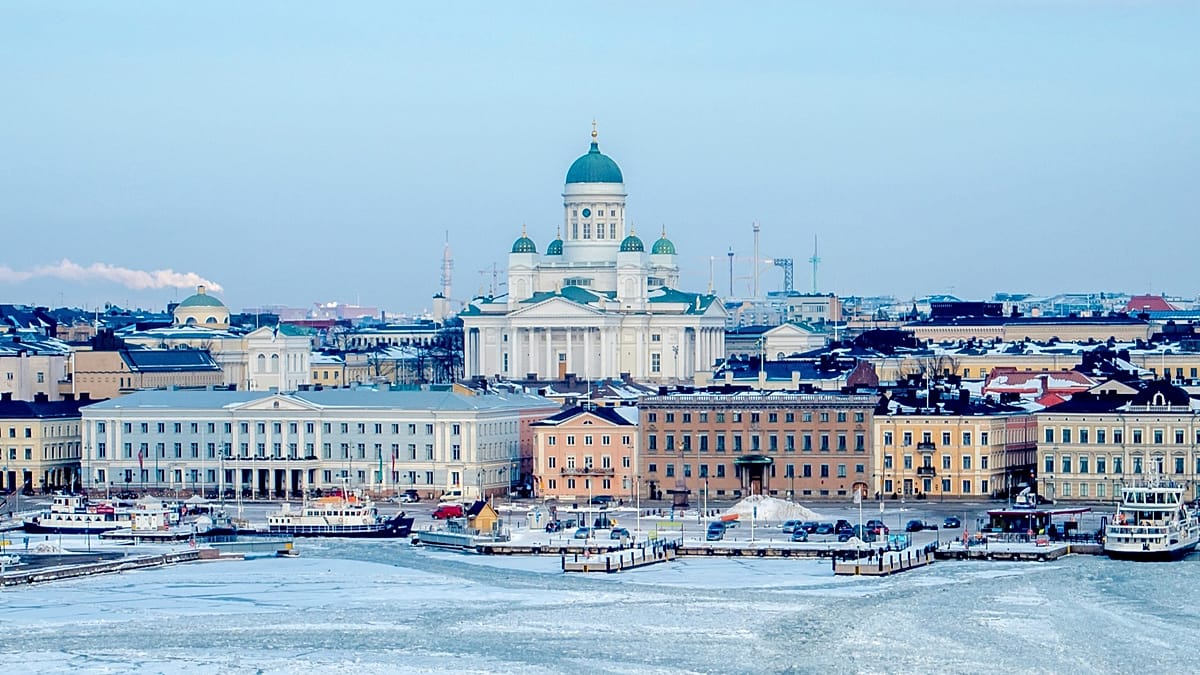
Helsinki's city council has taken a symbolic but significant step in the fight against climate change by voting in favor of exploring a ban on advertising for fossil fuels and other carbon-intensive products. The proposal, brought forward by Councillor Isaac Jyväsjärvi and 27 colleagues, marks the latest attempt by a European capital to align its own practices with its climate goals.
The exact scope of the restriction remains to be defined, but campaigners hope it could eventually remove billboards promoting aviation, shipping, tourism, construction, and fossil fuels from the Finnish capital's streets. However, the city's existing advertising contracts run until 2035, meaning the ban may not take full effect for nearly a decade.
A growing Nordic movement
Helsinki's decision follows a similar move in Stockholm, which banned fossil fuel advertising on city-owned billboards and public spaces in the summer of 2026. Anna Jonsonn, co-founder of the Swedish NGO New Weather, welcomed Helsinki's vote, saying: "With this decision, Helsinki becomes the second Nordic capital to move towards such a ban, after Stockholm. A ban on fossil fuels ads is not a question of if; it is a question of when."
The council explicitly referenced other European cities that have already restricted such advertising. Amsterdam, for instance, removed billboards promoting meat and fossil fuel products earlier this year as part of its goal to reach carbon neutrality by 2050 and halve meat consumption in the same period.
In the UK, Bristol became the first British city to ban adverts for fast fashion, SUVs, airlines, cruises, and fossil fuels on all council-owned sites. These examples are part of a broader trend across Europe, where municipalities are increasingly questioning the role of advertising in normalizing high-carbon lifestyles.
"Cities can't keep working to cut emissions while allowing their own advertising spaces to encourage more flying and fossil fuel consumption," said Niklas Kaskeala, a Helsinki-based climate campaigner and board member of Protect Our Winters Finland.
Kaskeala added: "Helsinki's decision won't make these ads disappear overnight, but it draws an important line – and every city that takes this step makes it easier for others to follow."
The Finnish capital will now investigate the legal possibilities for restricting different types of advertising, as well as the potential impacts on the environment, the city's finances, and the wider media landscape. This research phase is crucial, as the city must navigate existing contracts and legal frameworks.
Femke Sleegers, coordinator of the Dutch initiative Reclame Fossielvrij (Fossil Free Advertising), which campaigned for Amsterdam's ban, said: "The decision to ban fossil fuel advertising comes at a crucial moment in the fight against climate change. Adverts that portray fossil fuels as normal worsen climate disruption and have no place in a city – or a country – that has complied with the Paris Agreement."
While the ban's implementation may be delayed, the political signal is clear. Helsinki, like other European cities, is recognizing that its own advertising spaces should not contradict its climate commitments. As the continent moves towards a more sustainable future, such measures are likely to become more common.
For now, Helsinki's decision is a reminder that climate action often requires difficult choices, even when the benefits are not immediate. The city's willingness to take this step, despite the long timeline, could inspire other municipalities to follow suit.