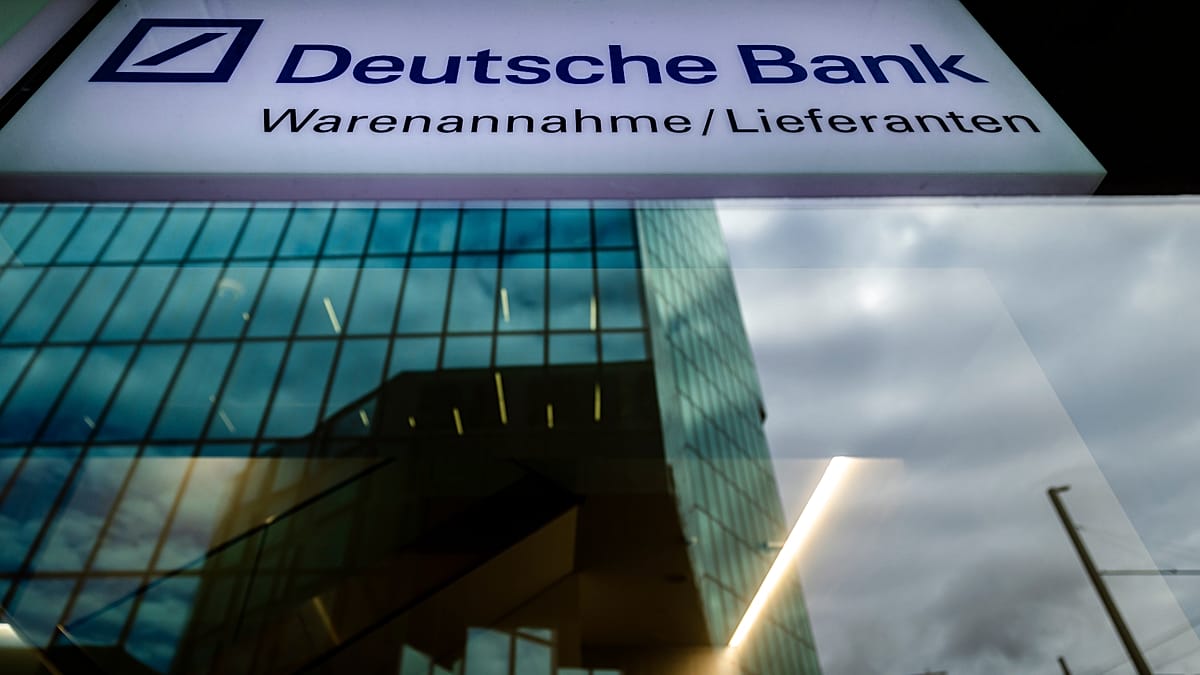
The data protection authority of the German state of Hesse has launched an investigation into Deutsche Bank after a massive leak of internal documents exposed compliance failures at the country's largest lender. Alexander Rossnagel, the state commissioner for data protection, confirmed on Wednesday that his office would examine whether the bank had appropriate safeguards in place and whether it notified affected individuals in a timely manner.
"I am investigating whether Deutsche Bank promptly notified the affected individuals," Rossnagel said in a statement. The probe comes after whistleblowers passed more than 15 million internal records to a consortium of international media outlets, revealing that the bank had repeatedly ignored internal warnings about money laundering, corruption, and sanctions violations.
Leaked files reveal client dealings
The leaked documents, which were shared with journalists across Europe and beyond, show that Deutsche Bank maintained business relationships with a range of high-risk clients, including Russian oligarchs, US President Donald Trump, and the late sex offender Jeffrey Epstein. The files suggest that internal compliance officers raised red flags about these clients, but their concerns were often overruled or dismissed.
The revelations have dealt a significant blow to the bank's reputation, already fragile after years of scandals and restructuring. Shares in Deutsche Bank slid in the days following the leak, as investors weighed the potential legal and regulatory consequences. The bank has said that the matters "date back many years" and that it has since reinforced its controls, but the damage to its standing may be harder to repair.
In an interview with the German business daily Handelsblatt, Deutsche Bank's chief executive, Christian Sewing, acknowledged that the bank could have acted differently. "When you look at the events today, you naturally question whether something could have been done differently," Sewing said. "Looking back, you can always say that at a certain point in time you might have been able to prioritise differently."
Sewing also pushed back against suggestions that he had ignored internal warnings. "During the customer review, I asked whether a private customer needs the same complex process as a large company with 300 subsidiaries," he told Handelsblatt. "That doesn't mean I wanted to put risks aside."
The bank maintains that it proactively informed the relevant authorities about the leak and that an internal review found no evidence that account information, login credentials, or payment data had been accessed. However, the sheer scale of the leak—and the nature of the documents—has raised questions about the bank's internal culture and its commitment to compliance.
The investigation by the Hesse data protection authority is separate from any criminal or financial regulatory probes, but it adds another layer of scrutiny to a bank that has been trying to put a turbulent decade behind it. The outcome of the investigation could lead to fines or orders to change practices, though the more immediate concern for Deutsche Bank may be the erosion of trust among clients and investors.
For Germany, the scandal is a reminder of the challenges facing its financial sector, which has struggled to shed a reputation for opacity. The leak also comes at a time when European regulators are pushing for greater transparency and stricter enforcement of anti-money-laundering rules across the continent. As the investigation unfolds, all eyes will be on Frankfurt, where Deutsche Bank's headquarters sit just a few blocks from the European Central Bank.