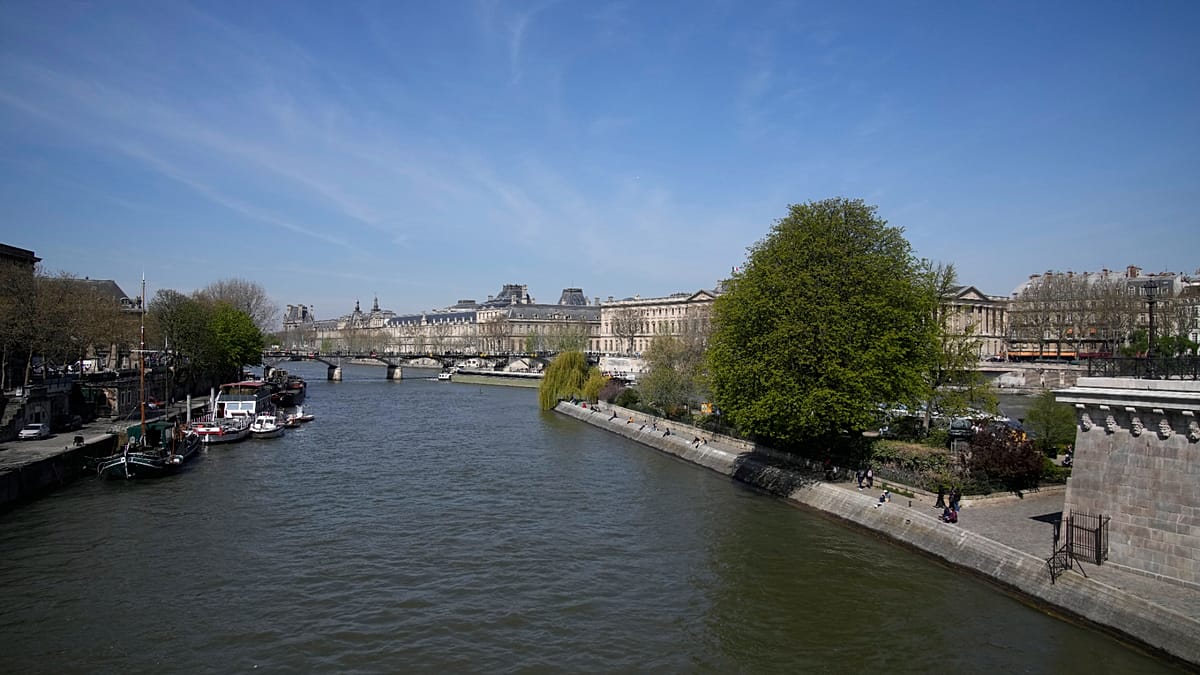
Swimming in the Spree in Berlin, the Seine in Paris, or the Maas in the Netherlands is possible today because these waters meet strict European safety standards. The European Union's Bathing Water Directive sets the benchmark for classifying water quality as excellent, good, sufficient, or poor, based on levels of faecal bacteria and pollutants.
The latest EU Bathing Water Report, published by the European Environment Agency in 2026, shows that in 2025 only 1.5% of Europe's monitored bathing sites were in poor condition. Coastal waters fared better than inland ones: 88% of coastal sites earned an excellent rating, compared with 78% of lakes and rivers. Austria, Bulgaria, Cyprus, and Greece achieved the highest proportions of excellent waters, with over 95% of their sites in that top category.
How the Directive Works
The Bathing Water Directive (2006/7/EC) protects public health by requiring member states to monitor two key types of faecal bacteria: Escherichia coli and intestinal enterococci. Each bathing site must be sampled at least four times per season. National authorities then assess the results and classify the water accordingly.
Beyond monitoring, the directive obliges governments to inform citizens about water quality and any potential health risks. This transparency allows swimmers to make informed choices before entering the water. The directive is part of a broader EU water legislative framework that includes the Water Framework Directive, the Groundwater Directive, and the Environmental Quality Standard Directive, all aimed at protecting water resources across the continent.
For a deeper look at the challenges facing Europe's bathing waters, including runoff and sewage issues, see our analysis: EU Bathing Water Quality: 96% Safe, but Runoff and Sewage Remain Risks.
Regional Variations and Trends
While overall water quality is high, inland sites continue to lag behind coastal ones. This is partly because rivers and lakes are more susceptible to agricultural runoff and urban pollution. Countries with extensive coastlines, such as Cyprus and Greece, benefit from better water exchange and dilution in the sea.
Inland swimmers can still find excellent options. For a guide to the cleanest lakes across Europe, from the Italian Alps to Hungary, read our feature: Europe's Cleanest Lakes for Safe Summer Swimming: From the Italian Alps to Hungary.
Climate change is also introducing new risks. Warmer waters can foster the growth of Vibrio bacteria, which can cause infections in swimmers. For more on this emerging threat, see: Vibrio Bacteria in European Waters: What You Need to Know This Summer.
The EU's approach to bathing water quality demonstrates how shared standards and regular monitoring can deliver tangible benefits for public health and recreation. As the 2026 report shows, the vast majority of Europe's bathing sites remain safe and clean, a testament to decades of environmental legislation and cooperation among member states.