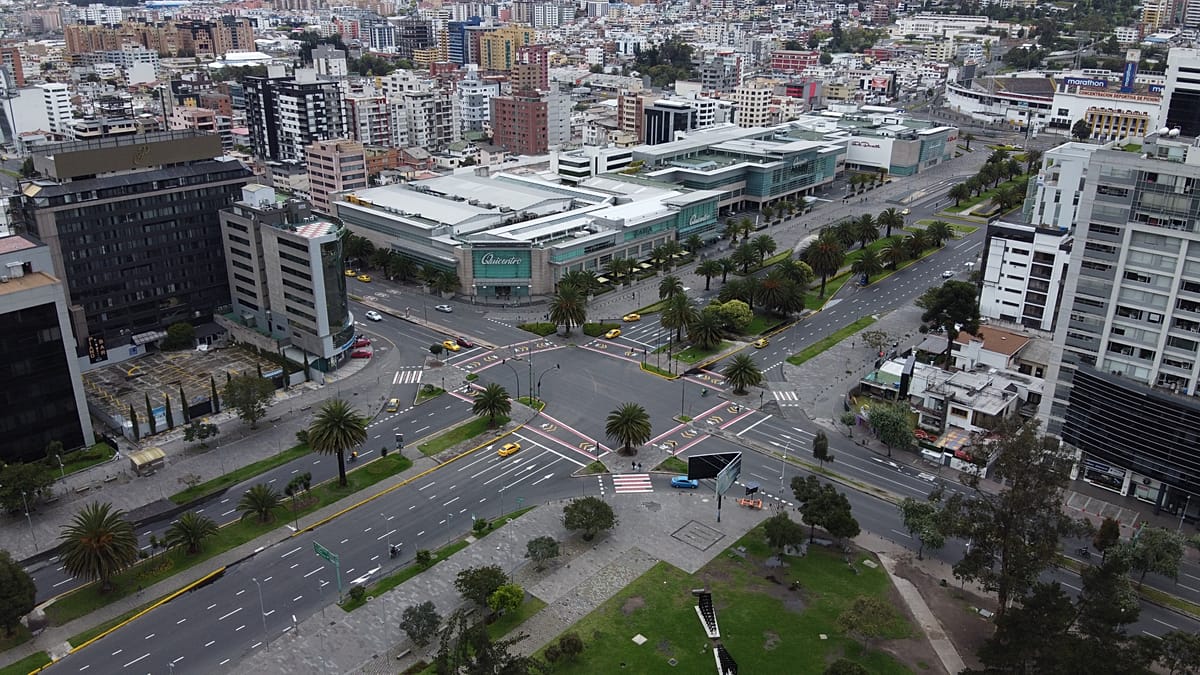
Sleep is increasingly recognised as a cornerstone of health, with chronic short sleep linked to cardiovascular disease, obesity, depression, and reduced productivity. As cities across Europe and beyond seek ways to improve residents' wellbeing, researchers are examining whether the built environment can play a role in helping people rest better.
A new study from Osaka Metropolitan University in Japan suggests that the appearance of a neighbourhood may influence how well people sleep. The research, published in the journal Sleep Epidemiology, found that streets framed by buildings or trees—what researchers call 'visual enclosure'—were associated with longer sleep duration and fewer insomnia symptoms. In contrast, neighbourhoods with more pedestrian-friendly street layouts were linked to shorter sleep.
AI analysis of street views
The research team used artificial intelligence to analyse more than 200,000 Google Street View images, identifying visual characteristics such as greenery, street width, and the presence of buildings or trees. They then linked these features to self-reported sleep data from 1,089 employed adults aged 40 to 59 living on the third floor or below in Tokyo.
The study found that residents in greener, more enclosed neighbourhoods reported feeling safer and more lively, which in turn was associated with longer sleep. "Our results also reinforce a significant positive association between perceived safety and sleep duration," the researchers wrote.
Interestingly, the opposite was true for pedestrian-friendly layouts, which were associated with lower perceived safety and shorter sleep. This may reflect that such areas, while walkable, could also be busier or less predictable at night, affecting residents' sense of security.
Implications for urban planning
The findings add to a growing body of evidence that urban design can have tangible effects on public health. In European cities, where many people live in apartments and rely on public spaces, these insights could inform planning decisions. For instance, incorporating green spaces and tree-lined streets might not only improve aesthetics but also contribute to better sleep and overall wellbeing.
Previous research has linked dietary choices and early-life nutrition to long-term health outcomes, but the role of the physical environment is less explored. This study highlights that the way a street looks—whether it feels enclosed and safe or open and exposed—could be a modifiable factor in sleep health.
While the study was conducted in Tokyo, the implications may resonate across Europe, where urban density and green space are key topics in city planning. From Berlin to Barcelona, policymakers are increasingly considering how to design streets that promote both physical activity and rest. The challenge will be balancing walkability with the need for quiet, safe, and visually calming environments.
The researchers acknowledge limitations, including the reliance on self-reported sleep and the focus on lower-floor apartments, which may not represent all residents. Nevertheless, the study offers a compelling argument for considering visual and perceptual aspects of neighbourhoods in future urban development.
As cities continue to grow, understanding these subtle connections between environment and health will be crucial. For now, the message is clear: greener, more enclosed streets may not only be pleasant to look at but could also help you sleep better.