Hungary's newly elected Prime Minister, Péter Magyar, has signalled a nuanced approach to his country's deep economic relationship with China, pledging greater alignment with European Union rules while stopping short of a wholesale policy reversal. His stance attempts to navigate between Budapest's status as a hub for Chinese electric vehicle manufacturing and growing pressure from Brussels to scrutinise foreign investments more tightly.
A Delicate Balance Between Budapest and Brussels
Following his landslide electoral victory over long-time leader Viktor Orbán, Magyar addressed his China policy at a press conference in Budapest. He praised China as "one of the most important, largest, and strongest countries in the world," adding, "I am very happy to travel to Beijing, and we are very happy to welcome Chinese leaders here in Hungary."
However, Magyar immediately qualified this warmth with a commitment to review existing and planned Chinese investments. "Not with the aim of shutting them down or preventing them from happening," he clarified, "but rather, the goal is to ensure that those projects comply with European Union and Hungarian environmental regulations, health procedures, and labour safety standards, and contribute to the performance of the Hungarian national economy."
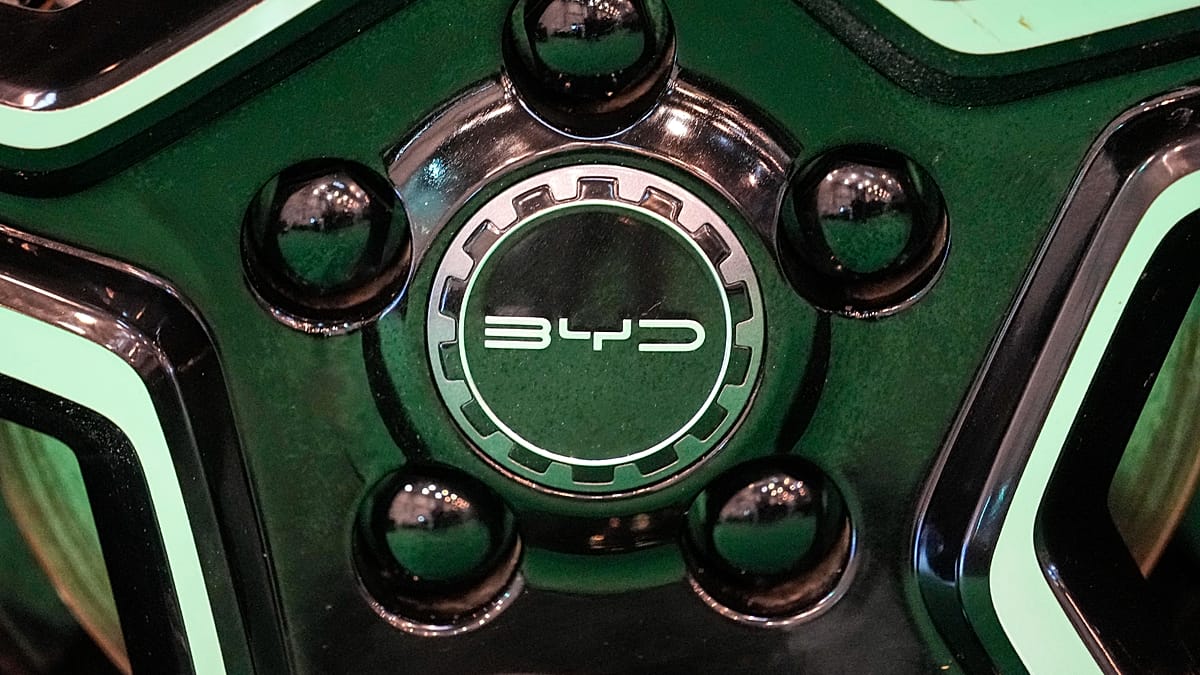
This represents a subtle but significant shift in tone from the Orbán era, which aggressively courted Chinese capital with minimal conditions. Under Orbán, Hungary became a central European beachhead for Chinese EV giants, with BYD opening its first European passenger car factory in Szeged in 2024. Major firms like CATL, NIO, and EVE Energy have also invested heavily.
Navigating EU Scrutiny and Domestic Concerns
Magyar's calibrated approach comes as the European Commission increases its scrutiny of Chinese economic activities within the bloc. The EU has imposed tariffs on Chinese electric vehicles and is discussing a "Made in Europe" proposal that would impose strict conditions on large foreign investments in strategic sectors like batteries, solar panels, and critical raw materials.
The proposal, currently debated by EU governments and MEPs, could require investors from countries holding 40% of a sector's global market share to hire at least 50% EU workers. It might also mandate joint ventures with European partners and technology transfers. Magyar appeared to distance himself from Orbán's reflexive opposition to such EU-level measures, indicating a new willingness to engage with Brussels on the framework.
Domestically, Magyar must also address specific controversies tarnishing the reputation of Chinese investments. These include a European Commission probe into unfair subsidies at the BYD plant in Szeged and serious allegations concerning the use of forced labour involving Chinese workers at the same facility. "What we do not want — and will not accept — is for foreign companies to come, receive significant Hungarian state support, employ very few Hungarians, create little to no added value for the Hungarian economy, and at the same time endanger the quality of Hungary’s land, air, and water," Magyar stated, outlining his core concerns.
His victory, detailed in our analysis Péter Magyar's Victory in Hungary Reshapes Budapest's Stance Towards Brussels, has already triggered broader discussions about the future of EU policy, as noted in Péter Magyar's Hungarian Victory Prompts EU Reform Debate in Brussels.
The Broader European Context
Hungary's dilemma reflects a wider European tension. The bloc seeks to de-risk its economic relationship with China and protect its strategic industries, as seen in the "Made in Europe" proposal, while individual member states like Hungary benefit from job-creating investments. The EU's auto sector alone faces projections of up to 600,000 job losses this decade due to intense competition from Chinese manufacturers flooding the market with low-cost imports.
Magyar's promise of a review suggests future Chinese projects may face stricter conditions on local hiring, value addition, and environmental protection. This pragmatic line—maintaining economic ties while insisting on EU rule alignment—will be tested as the new government in Budapest begins its scrutiny of major projects. It also forms part of a wider reassessment of Orbán-era policies, including a corruption probe into a major defence plan.
The geopolitical implications extend beyond trade. As the EU grapples with external challenges that impact its economy—such as the prolonged energy price hikes warned by the EU Energy Chief—managing the relationship with a major economic power like China remains a delicate, continent-wide priority. Péter Magyar's first steps indicate that Hungary, under its new leadership, is seeking a more Brussels-compatible path within that complex equation.