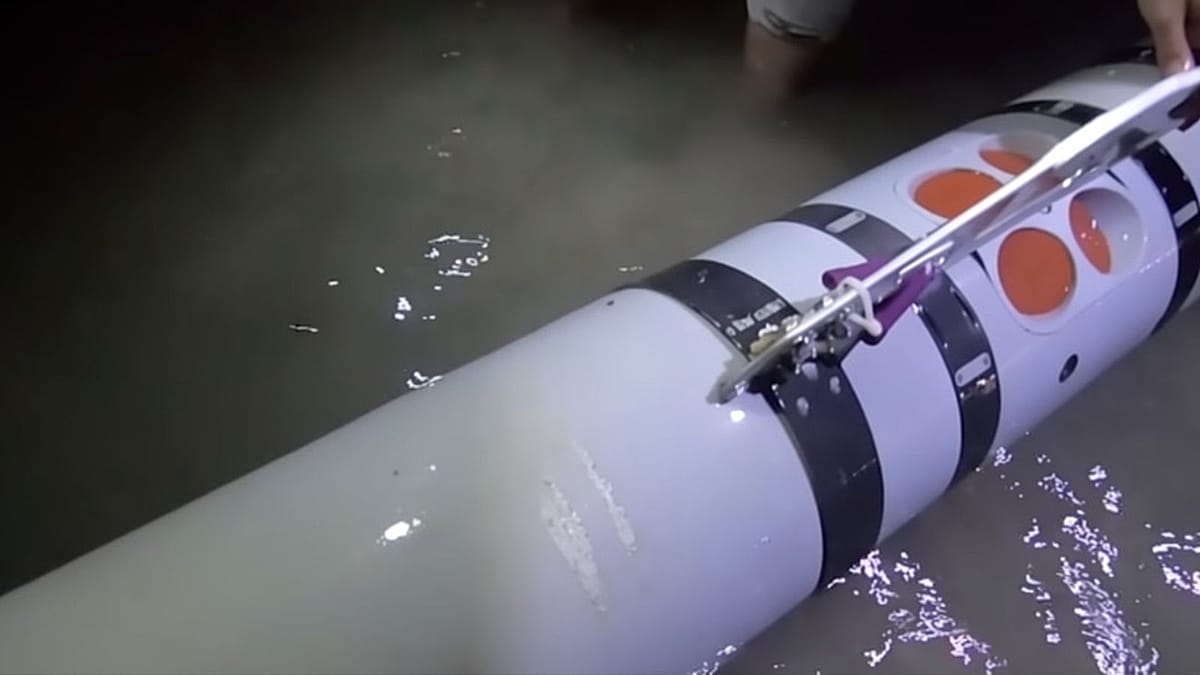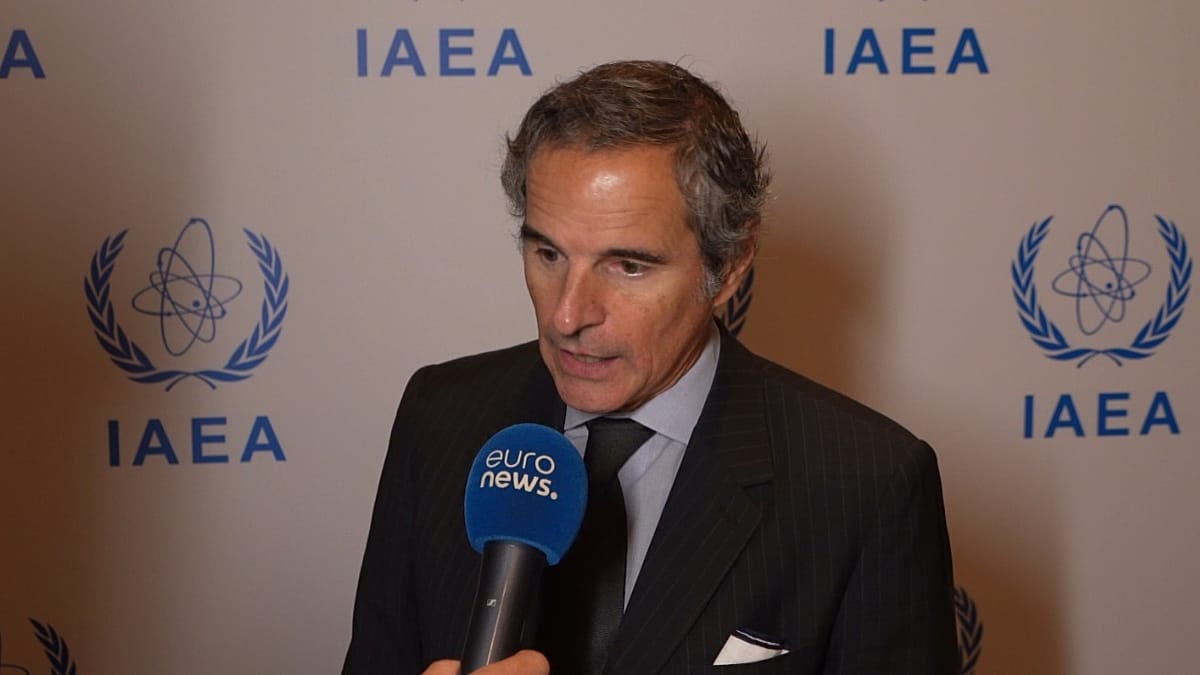
Last month's drone strike on the Barakah nuclear power plant in the United Arab Emirates may have posed a greater immediate threat than the ongoing crisis at Ukraine's Zaporizhzhia facility, according to International Atomic Energy Agency (IAEA) Director General Rafael Grossi.
Speaking to Euronews after visiting the plant in the western Gulf state, Grossi described the attack as an "extremely serious and irresponsible act" and warned of the catastrophic potential of targeting civilian nuclear sites.
"A nuclear power plant, apart from being a very important part of the energy infrastructure of a country, is a place where you have thousands, tonnes of kilograms of nuclear material which could trigger a radiological accident with very, very serious consequences," Grossi said.
Key Difference: Operating Reactors
Grossi drew a direct comparison with the Zaporizhzhia plant in Ukraine, which Russian forces have occupied since March 2022. While the IAEA has maintained a permanent monitoring presence there since September 2022, all six of Zaporizhzhia's reactors have been in cold shutdown since late 2022. Barakah's reactors, by contrast, were running at the time of the attack.
"Although it's a very serious situation, the IAEA is working there, and it's a very delicate problem in our hands, the reactors are in what we call a 'shutdown'," Grossi explained. "So, they are not running, they are not operating. Barakah is operating. So, this makes it potentially even more dangerous."
The IAEA has repeatedly warned that safety margins at Zaporizhzhia are eroding, though the risk of a nuclear accident is not imminent. The Barakah attack, however, placed an operational plant directly in the crosshairs.
International Response and Legal Implications
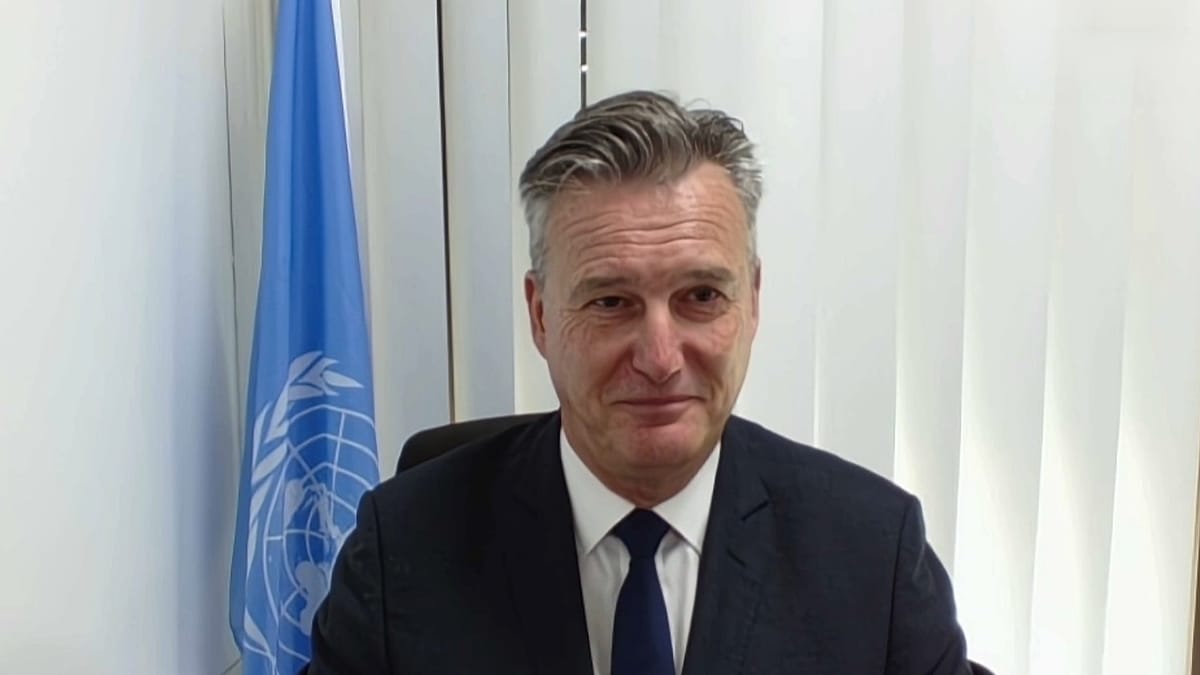
UAE authorities previously confirmed the drone originated from Iraq. Hamad Alkaabi, Deputy Chairman of the Board of Management of the Federal Authority for Nuclear Regulation, called the attack a serious escalation and a violation of international law.
"Obviously, attacking a nuclear power plant is a serious escalation. It is something that is taboo internationally because of the potential consequences that come from the potential release of radiation to the public and the environment," Alkaabi said.
He added that attacks on operational nuclear facilities are prohibited under international humanitarian law and multiple international agreements. "The fact that the plant's been targeted and attacked is unacceptable, and it's a clear violation of international law. Serious, yes. Escalation, yes, it is. Forbidden internationally, yes."
Effective Response and Lessons Learned
Despite the gravity of the incident, both officials praised the response. Grossi highlighted the "prompt and extremely professional reaction" from the plant operator, ENEC, and the national regulator, which immediately activated special procedures and mitigation measures.
Alkaabi noted that years of investment in safety, training, and preparedness ensured no radiation release and no system failures. "Everybody followed the protocol, the plant maintained its safety to the public, to the operators," he said.
Looking ahead, Alkaabi said the attack would provide important lessons for the nuclear industry. "Of course, attacking a nuclear power plant is not a scenario you plan for every day in terms of potential scenarios for nuclear accidents, but it's a reality now."
Grossi also commended the UAE's decision to bring the matter before the IAEA rather than respond through escalation. "It speaks very, very highly of the statesmanship of the country," he said.
The incident will be discussed at a special session of the IAEA Board of Governors in Vienna. "There is going to be a special session of the board of governors of the IAEA this next Friday. So, after my visit here, I will be heading back to Vienna, where we are going to have this discussion because I think this is what the international community needs, an open discussion, full disclosure of what has happened," Grossi concluded.
This attack underscores broader concerns about drone threats to critical infrastructure across Europe and beyond. For more on related security issues, see our coverage of Europe's drone security gaps and how drone incursions have become a persistent reality.