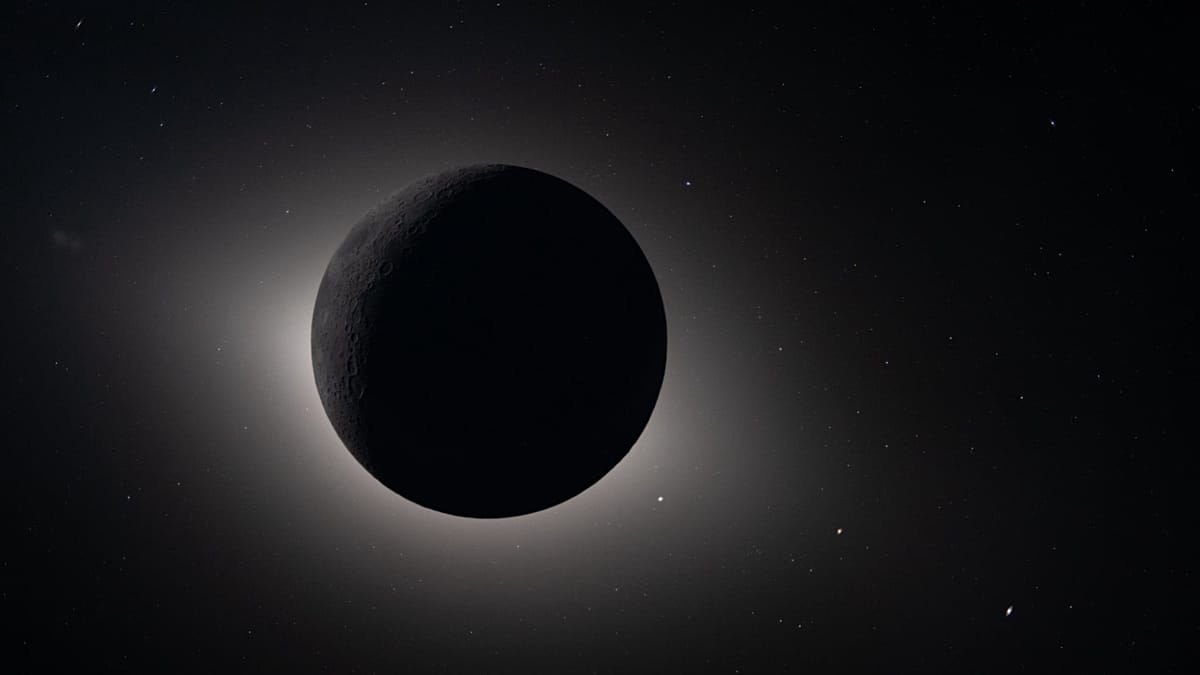
On 12 August, Iceland will witness a celestial event that has not occurred there in over seven decades: a total solar eclipse. The Moon will completely obscure the Sun, casting a shadow across the island nation. It is the first such eclipse visible from Iceland since 1954, and the first from Reykjavík since 1433. The next one is not expected until 2196, making this a truly once-in-a-lifetime experience.
A small nation, a huge influx
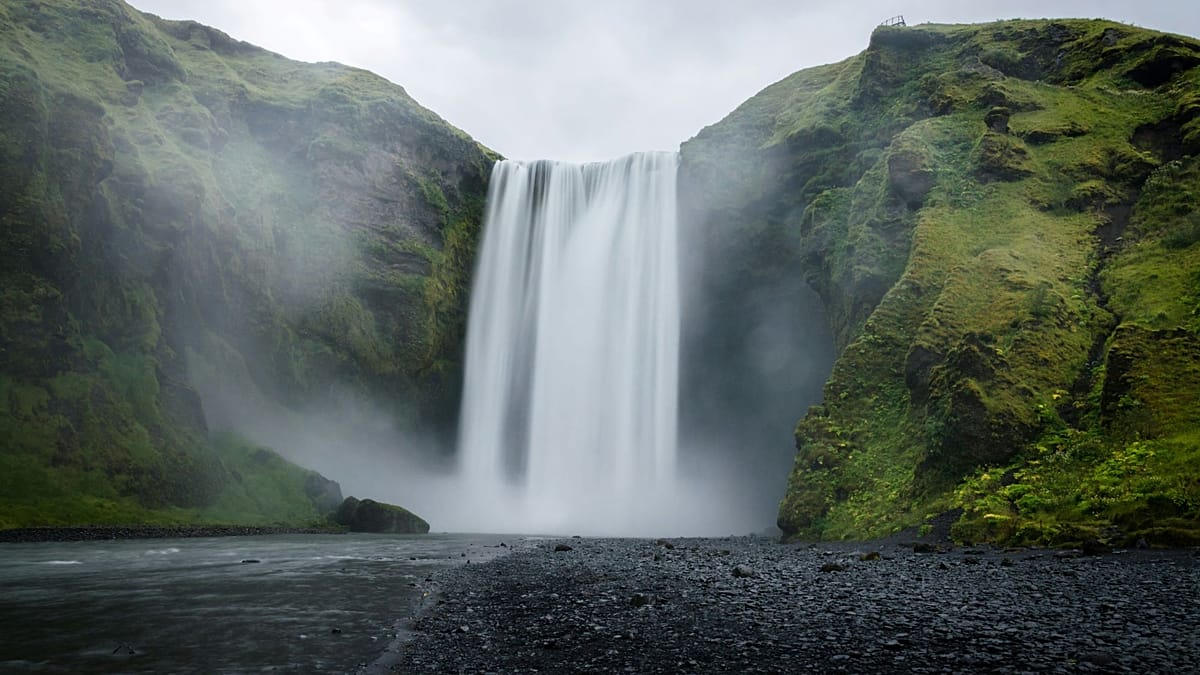
With a population of fewer than 400,000, Iceland is preparing for an influx of up to 20,000 additional overseas visitors, many of whom have booked accommodation months—or even years—in advance. The western regions, particularly the Snæfellsnes Peninsula, are expected to be among the best vantage points in the world. The fishing village of Hellissandur, home to around 400 residents, is already gearing up for a dramatic surge in numbers.
The peninsula will also host the five-day Iceland Eclipse festival at the foot of the Snæfellsjökull glacier, overlooking the North Atlantic. Festival director Mitch Morales notes that the event draws an unusual mix of attendees.
“Something I really love about eclipse is that it attracts the astrology crowd and the astronomy crowd. We have a lot of astronauts and astrophysicists. We also have a lot of spiritual leaders and people that are exploring the edges of consciousness,” Morales said.
Why this eclipse matters
Total solar eclipses are rare in any given location, but Iceland’s geographic position makes them even more infrequent. The last one, in 1954, was visible from the far north. This time, the path of totality crosses the capital, Reykjavík, and the Reykjanes Peninsula, as well as Snæfellsnes and the Westfjords. For many, the difference between a 99.9% partial eclipse and a 100% total eclipse is stark.
Andrea Martin, a tourist from Maine who witnessed the 2024 eclipse across North America, travelled to Iceland for the full experience. “The difference between 99.9 partial eclipse and 100% total eclipse is 100% different experience. It is magnificent. It is outstanding. There aren't even words for it,” she said.
Practical advice for viewers
Anyone planning to watch the eclipse should use ISO-certified eclipse glasses, as looking directly at the Sun without protection can cause permanent eye damage. The advice is especially pertinent given the large crowds expected at popular viewing spots.
While Iceland is the main focus, other parts of Europe are also preparing for eclipse-related events. In Spain, a rare trio of eclipses will begin in 2026, and the Balearic Islands have already tightened security ahead of that event. Meanwhile, Portugal is bracing for a solar output plunge during Wednesday's eclipse, highlighting the broader impact of such phenomena on energy grids.
For those unable to travel, the artistic depictions of eclipses offer a cultural perspective on how humanity has interpreted these events over centuries.
As Iceland prepares for this extraordinary spectacle, the world will be watching—both literally and figuratively. The eclipse promises to be a moment of awe, science, and community, set against the dramatic landscapes of the North Atlantic.