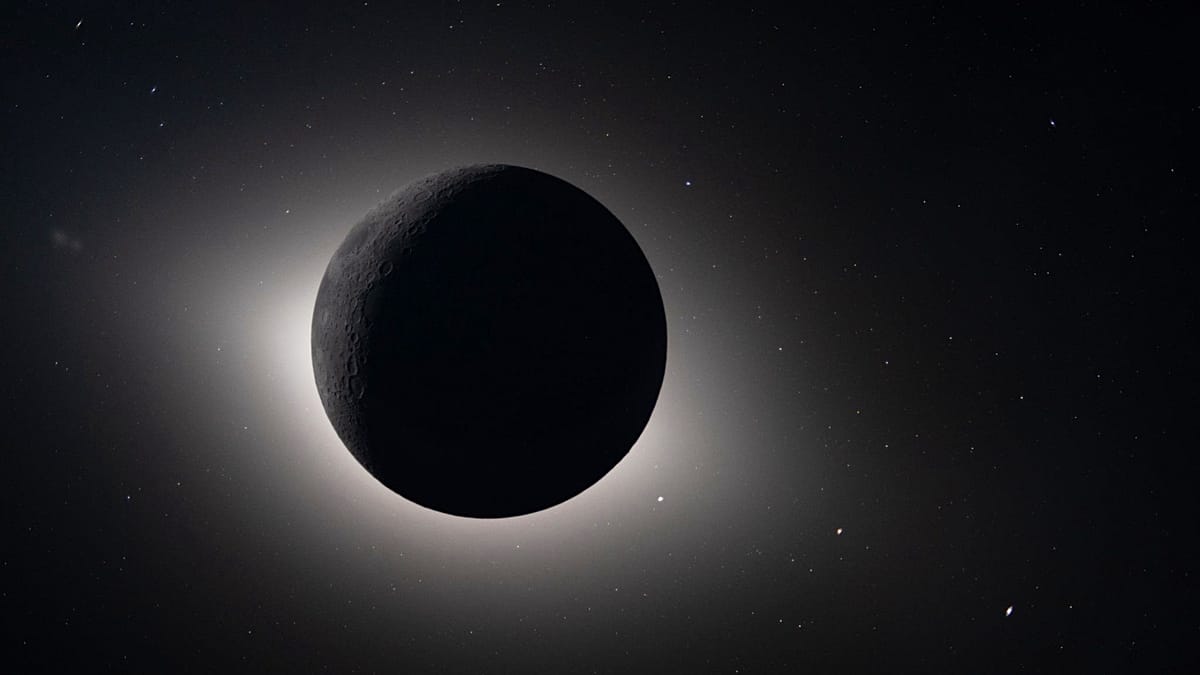
Portugal's grid operator, Redes Energéticas Nacionais (REN), is preparing for a significant dip in solar power generation when a near-total eclipse sweeps across the Iberian Peninsula on Wednesday afternoon. In a statement released on Monday, REN said it will need to call on additional hydro and thermal reserves to balance the national electricity system during the event.
The eclipse will occur between 18:30 and 20:30 local time, a period when solar output is already declining. Still, REN estimates that generation will fall by roughly 450 megawatts (MW) compared with typical levels for that time of day—a drop of about 45% of the solar power normally produced in that window. That shortfall represents around 7% of national consumption at that hour.
In neighbouring Spain, the eclipse will be total across much of the territory, while in Portugal it will be “almost total,” ranging from 92% coverage in the Algarve to 100% in the northern municipality of Bragança. The village of Guardamil, near the Spanish border, is being touted as the best vantage point in Portugal to witness the full eclipse.
Coordinated European response
REN stressed that preparations have been carried out in close coordination with other European transmission system operators, particularly through the Short Term Adequacy (STA) load-coverage assessment service, which ensures a balance between generation and consumption over a seven-day horizon. Across the European synchronous area, the estimated loss of solar generation is put at around 9,700 MW.
The operator noted that the timing of the eclipse—late afternoon into early evening—means the impact will be less severe than if it occurred at midday, when solar output would be at its peak. Compared with the forecast peak solar output, the eclipse is expected to reduce generation by about 15%.
REN's figures cover only centralised solar production and that measured by the company, excluding rooftop panels used for self-consumption. However, the effect of that household generation dropping is factored into demand forecasts for the day.
Portugal's solar sector has been growing rapidly. In July, solar power became the country's most-used energy source for the first time, accounting for 19% of consumption. Renewables as a whole supplied 53% of total energy demand that month.
The eclipse comes as Spain prepares for a rare trio of eclipses beginning in 2026, and while security measures are being tightened in the Balearic Islands ahead of the event. For grid operators, the challenge is a familiar one: managing the variability of renewable energy as celestial mechanics intervene.
REN's proactive approach reflects a broader European trend of adapting energy systems to handle such disruptions. The coordinated response across the continent underscores the interconnectedness of national grids and the importance of cross-border cooperation in maintaining stability.
As the eclipse passes, Portugal's energy mix will rely more heavily on hydro and thermal generation to fill the gap. The operator has assured that the system is well-prepared, and that the impact on consumers should be minimal.