Reykjavík's recent referendum delivered a narrow but decisive blow to the European Union's enlargement ambitions. With 52.8% of Icelandic voters rejecting the resumption of accession talks, the island nation has effectively parked its EU application, a decision that resonates far beyond the North Atlantic.
The vote, held amid high turnout, saw 47.2% in favour of reopening negotiations. It marks the second time Iceland has turned away from Brussels, following a similar rejection in 2015. For the EU, which has been accelerating its enlargement agenda since Russia's full-scale invasion of Ukraine, the outcome is an uncomfortable reminder that enthusiasm for membership is not universal.
Nine candidates, one open question
Brussels currently lists nine official candidate countries: Ukraine, Moldova, Albania, Montenegro, North Macedonia, Serbia, Bosnia and Herzegovina, and, notably, Turkey. Kosovo is considered a potential candidate. Each is at a different stage of the lengthy accession process, which requires aligning national legislation with EU law across 33 policy chapters grouped into six clusters.
The geopolitical calculus has shifted dramatically since 2022. EU leaders now frame enlargement not only as a means to expand the single market and promote democratic reform, but also as a strategic tool to bolster Europe's position in a more confrontational world. As Ursula von der Leyen has repeatedly stressed, completing the union is both a moral and a security imperative.
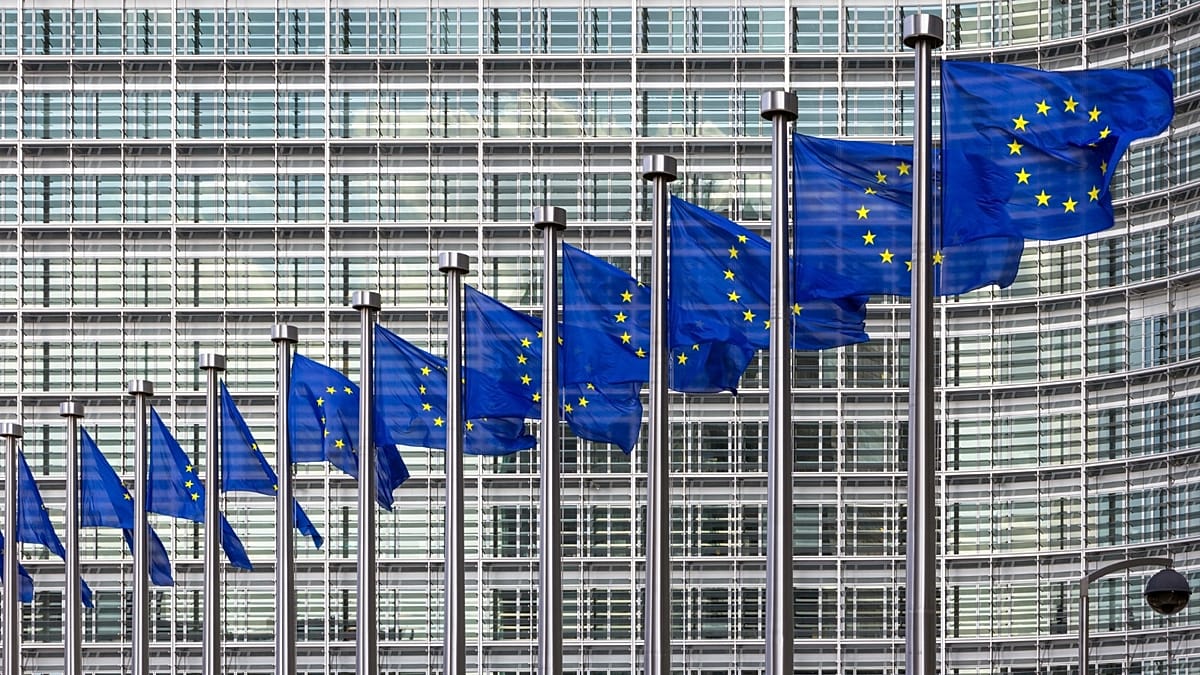
Yet the path to membership remains arduous. Candidate countries must demonstrate progress on rule of law, economic governance, and administrative capacity. The final decision rests with the 27 member states, and accession requires unanimity—a high bar in a union where national interests often collide.
The last country to join was Croatia in 2013, and the EU has struggled to replicate that success. Iceland's rejection, though geographically peripheral, underscores the challenges. As Iceland's No vote leaves EU enlargement momentum in question, the bloc must confront a paradox: while 56% of European citizens support further enlargement, the political will among member states is uneven, and the institutional costs of adding new members are real.
Expanding the union would enlarge the single market, but it also strains the EU budget, complicates decision-making, and intensifies disputes over funding and influence. The debate is not abstract—it plays out in every negotiation over agricultural subsidies, cohesion funds, and voting weights.
For the Western Balkan states, the message from Reykjavík is sobering. If a wealthy, democratic Nordic country with strong institutions can walk away, what does that say about the credibility of the EU's promise to the region? The EU's soft power has always rested on its ability to attract, not coerce. Iceland's choice may prompt a rethinking of how enlargement is marketed and managed.
Some analysts argue that the EU should focus on deepening integration among existing members before widening further. Others insist that enlargement is the union's most effective foreign policy tool, and that delaying it only cedes ground to Russia and China. The tension between these views will shape the EU's agenda for years to come.
In the meantime, the nine candidates wait. Ukraine and Moldova have made notable progress, but they face immense challenges, from corruption to ongoing conflict. The Western Balkan countries, meanwhile, have seen their hopes repeatedly deferred. Iceland's referendum, as Iceland's narrow 'No' stirs relief and regret, offers a glimpse of the domestic political dynamics that can derail even the most promising accession process.
The EU's enlargement policy is at a crossroads. The question is no longer simply whether to expand, but how to do so without fracturing the union's cohesion. As the bloc looks east and south, it must also look inward, reconciling its founding ideals with the practical realities of governance in a continent of diverse nations.