In Tashkent, a city where Soviet-era tram depots and tsarist-era factories have long stood as silent witnesses to a century of upheaval, a new chapter has begun. The 1912 industrial complex, once a hub of mechanical and engineering activity, has been meticulously restored and reborn as a contemporary art centre. Its opening exhibition, Hikmah — Arabic for wisdom — signals Uzbekistan's growing ambition to position itself as a cultural crossroads between Europe and Asia.
A century-old shell, a new cultural core
The complex, located in the heart of the Uzbek capital, had fallen into disrepair after decades of neglect. Its red-brick walls and steel trusses, typical of early 20th-century industrial architecture, have been preserved and integrated into a design that meets modern museum standards. The restoration project, which took several years, was led by a team of local and international architects who aimed to retain the building's original character while adapting it for contemporary use.
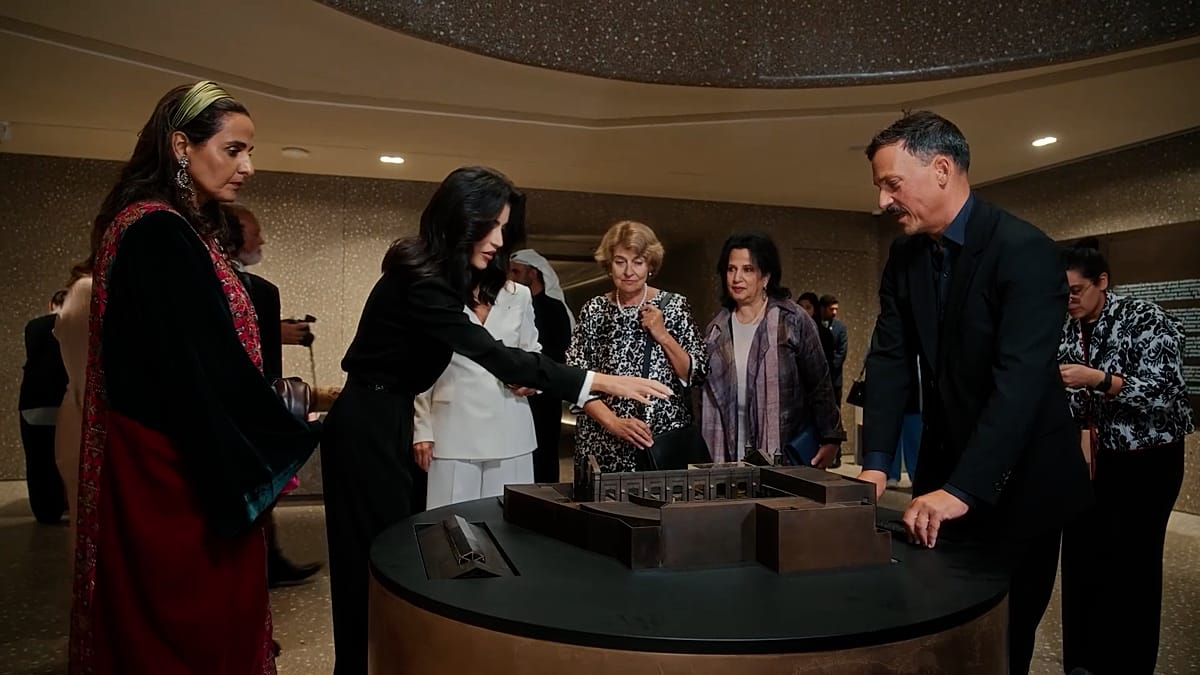
Visitors entering the main hall are greeted by the vast, light-filled space that once housed machinery. Now, it hosts rotating exhibitions, educational programmes, and residencies for artists from Central Asia and beyond. The centre's mission, according to its director, is to foster dialogue between local artistic traditions and global contemporary practice.
Hikmah: wisdom through art
The inaugural exhibition, Hikmah, brings together works by artists from Uzbekistan, other Central Asian countries, and the wider world. A centrepiece is an installation loaned from the Guggenheim Museum collection in New York, marking a rare collaboration between a major Western institution and a Central Asian art space. The installation, which explores themes of memory and transformation, resonates with the building's own history as a site of industrial production and social change.
Curators have arranged the exhibition to guide visitors through a narrative that moves from the personal to the collective, from the local to the universal. Works range from large-scale paintings and sculptures to video installations and interactive pieces. The title Hikmah reflects the exhibition's ambition to offer not just aesthetic pleasure but also insight into the complexities of contemporary life.
"We wanted to create a space where people can reflect on what wisdom means in a rapidly changing world," said the exhibition's lead curator in a statement. "The building itself is a witness to change, and the art within it continues that conversation."
A broader cultural shift
The opening of the centre is part of a wider trend in Uzbekistan, where cultural institutions are being revived and modernised. In recent years, the government has invested in restoring historic sites and building new museums, aiming to attract international visitors and position the country as a cultural hub. This effort has been accompanied by diplomatic overtures, including deepened ties with Serbia and other European nations.
The new art centre also complements other recent cultural developments in Tashkent, such as the conversion of a Soviet-era tram depot into a contemporary art hub. Together, these projects are reshaping the city's cultural landscape, offering new venues for both local and international artists.
For European audiences, the centre provides a window into a region that is often overlooked. Central Asia's contemporary art scene has been gaining international attention, and Tashkent is emerging as a key node. The collaboration with the Guggenheim is a testament to this growing recognition.
As the centre opens its doors, it invites visitors to explore not only the art within its walls but also the layers of history embedded in the building itself. The restoration has uncovered original features, such as cast-iron columns and wooden beams, that have been carefully integrated into the new design. These elements serve as a reminder of the building's past life, while the art on display points toward the future.
In a city that has seen empires rise and fall, the new centre stands as a symbol of resilience and reinvention. It is a place where the old and the new, the local and the global, converge — offering a space for contemplation and connection in an increasingly fragmented world.