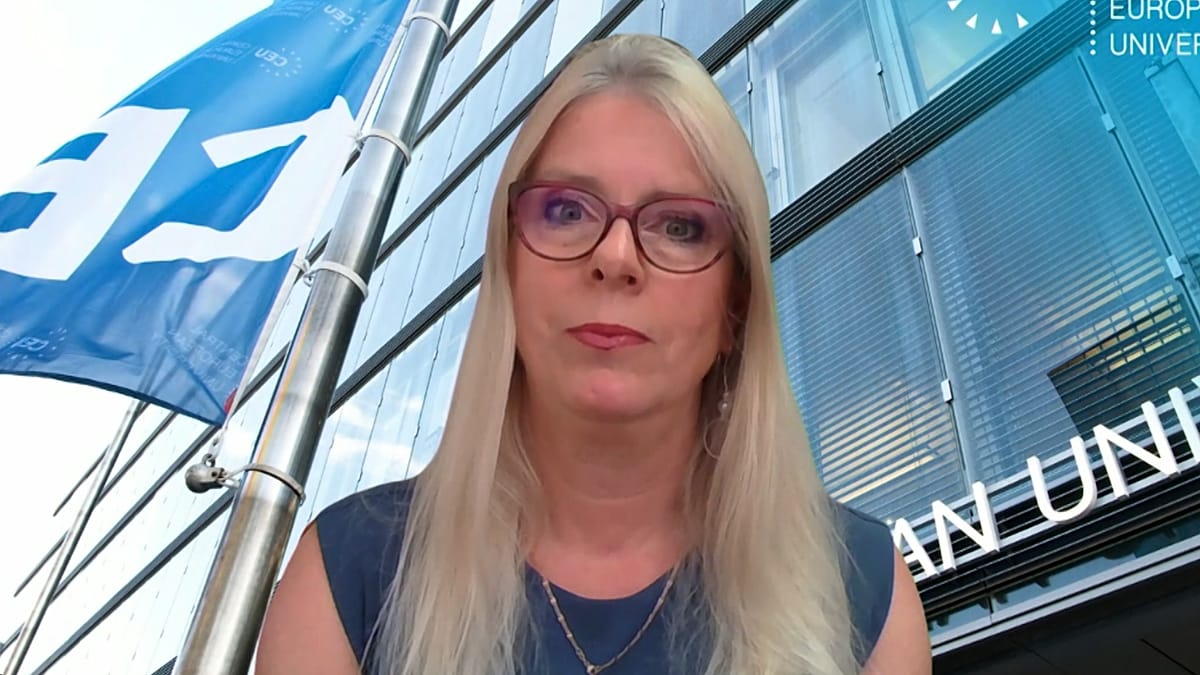
As Europe braces for increasingly intense summer heatwaves, a leading climate scientist is urging governments across the continent to rethink how they deploy air conditioning. Diana Ürge-Vorsatz, Vice-Chair of the Intergovernmental Panel on Climate Change (IPCC), argues that cooling resources should be concentrated on the elderly and medically vulnerable rather than being used indiscriminately.
Speaking in a video interview, Ürge-Vorsatz stressed that the European Union's energy infrastructure is already under severe pressure from rising AC adoption. "High air conditioning use is already jeopardising the EU's energy capacity," she warned, pointing to the risk of blackouts during peak demand periods. Instead of encouraging universal cooling, she called for "temporary measures" such as publicly operated cooling centres during extreme heat events.
Targeted Relief Over Universal Cooling
The IPCC vice-chair emphasised that the most effective response to deadly heatwaves is not to air-condition every home and office, but to ensure that those most at risk have access to safe, cool environments. This approach mirrors strategies already deployed in cities like Paris and Athens, where municipal cooling shelters have been opened during record-breaking temperatures. In France, the recent heatwave has already claimed lives: three elderly people died in the Bordeaux suburbs as temperatures soared.
Ürge-Vorsatz's comments come amid a broader debate about the environmental cost of air conditioning. The IPCC has long warned that the refrigerants used in many AC units are potent greenhouse gases, and the energy required to run them often comes from fossil fuels. By prioritising vulnerable populations, she argues, European nations can reduce overall energy consumption while still protecting public health.
The call for targeted cooling aligns with findings from the European Environment Agency, which notes that heat-related mortality in Europe has risen by more than 30% over the past two decades. Older adults, particularly those living alone in urban areas, are disproportionately affected. In cities like Madrid and Rome, local authorities have begun mapping heat-vulnerable neighbourhoods to deploy mobile cooling units and check on residents.
Yet the challenge is not limited to southern Europe. Even in traditionally cooler regions such as Scandinavia, heatwaves are becoming more frequent. Stockholm and Copenhagen have seen record-breaking summer temperatures in recent years, prompting discussions about retrofitting buildings with passive cooling solutions rather than relying on energy-intensive AC.
Ürge-Vorsatz's proposal also touches on the EU's broader energy security concerns. The bloc has struggled to balance decarbonisation goals with rising electricity demand from cooling. In 2023, the International Energy Agency reported that Europe's AC-related electricity consumption could triple by 2050 if left unchecked. This would place immense strain on grids already integrating variable renewable sources like wind and solar.
Some member states are already experimenting with alternatives. In Germany, the city of Freiburg has invested in green roofs and reflective building materials to reduce indoor temperatures naturally. Meanwhile, the European Commission has funded research into district cooling systems that use waste heat from industrial processes to power absorption chillers.
For now, Ürge-Vorsatz's message is clear: governments must act quickly to protect the most vulnerable without exacerbating the climate crisis. "We cannot afford to cool every building as if it were a luxury hotel," she said. "But we can and must ensure that no one dies because they cannot escape the heat."