Iran's national football team has found itself at the center of a diplomatic and logistical storm at the 2026 World Cup in the United States. Coach Amir Ghalenoei described his squad as "perhaps the most oppressed in the World Cup" after they were ordered to leave the country just hours after their opening match against New Zealand on Monday night.
The team had expected to stay overnight in Los Angeles for recovery following a hard-fought 2-2 draw. Instead, they were told to board a plane back to their training base in Tijuana, Mexico. "They didn't even give us time to recover," Ghalenoei said through an interpreter. "After the game today, they said to us, 'You have to leave immediately.'"
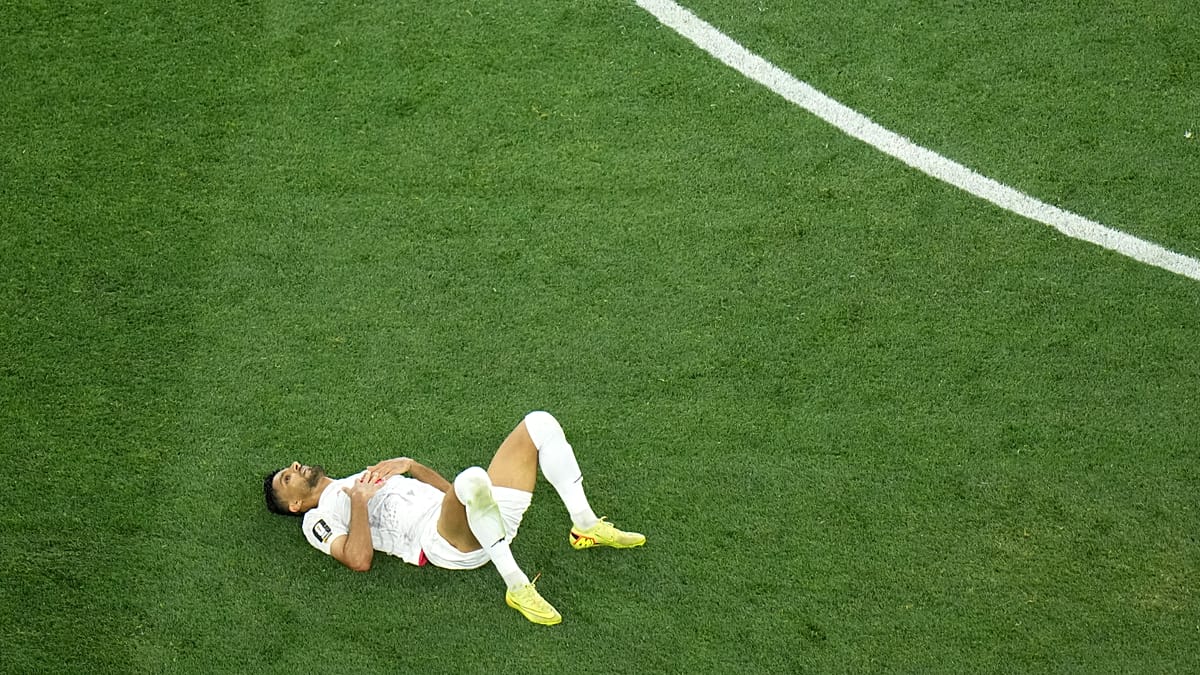
Captain Mehdi Taremi called the situation "a disaster for us," noting that the squad had already endured five hours of travel and security checks on Sunday for what is normally a short trip from Tijuana to the Los Angeles area. "All the thing is like a disaster for us," he said.
A Campaign Under Siege
Iran's World Cup cycle has been in upheaval since the US and Israel began a war against Iran on 28 February. The team ultimately decided to compete after FIFA rejected its request to move its three group-stage matches out of the US. The early departure order added to a sense of persecution. Ghalenoei said he did not know who had ordered the team to leave, adding: "It seems like others are doing the planning for us."
The coach also noted that federation president Mehdi Taj and secretary-general Mohammad Nabi had their US visa applications rejected, even after appeals. Tasnim News Agency reported that Taremi and assistant coach Saeid Alhoei were delayed leaving Los Angeles airport after the match, forcing the rest of the squad to wait on the plane.
Despite the chaos, Iran produced a spirited performance on the pitch, coming from behind twice to draw 2-2. Ghalenoei called it "the best game of the World Cup group stage" and described his team as "the most underdog team at the World Cup."
Protests and Politics Outside the Stadium
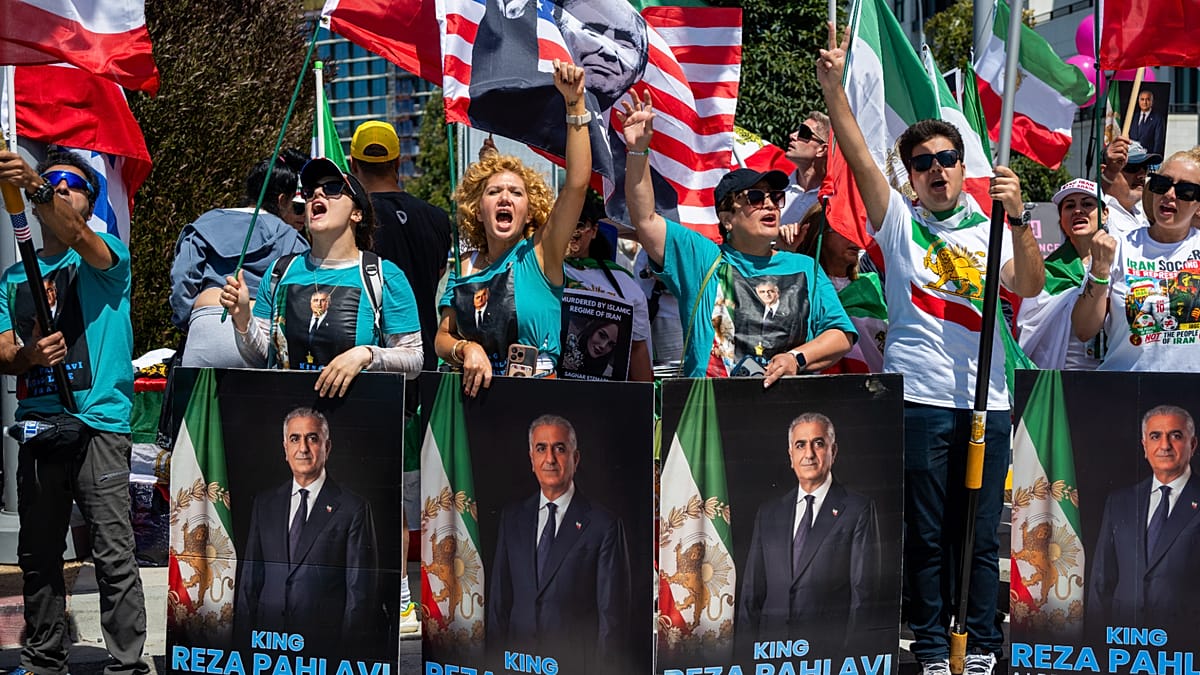
Outside the stadium in Inglewood, several hundred Iranian Americans protested, calling for change in Tehran and waving the pre-revolutionary lion-and-sun flag. The demonstrators argued that the team is synonymous with the Tehran regime, while many fans insisted they were separating football from politics. At one point, protesters snatched an official Iranian flag from a fan, stomped on it and ripped it.
Rameileh Jaffrey, 46, of Los Angeles, who left Iran a dozen years ago, said: "They are not my team. They are a government team." Inside the stadium, a section of Iranian fans booed the Islamic Republic's national anthem before kickoff but cheered when Ramin Rezaeian and Mohammad Mohebi scored. The match passed without the disruption some had expected.
Rezaeian, named man of the match after a goal and an assist, said: "We will solve the problems related to our country ourselves, and you should not worry about them." He thanked the fans inside the stadium, saying they were satisfied with the team's performance.
FIFA President Gianni Infantino visited Iran's dressing room afterwards and praised the players. "You are stronger and greater than all the issues that have arisen for you, and you are sending a very powerful message to the world," he told the squad.
For European readers, the situation highlights the complex interplay between sport and geopolitics, particularly as the US and Iran remain locked in conflict. The team's ordeal also echoes broader debates about the role of international tournaments in politically charged environments. As Taremi put it: "Our goal and wish is to pursue peace and happiness, which are also values promoted by FIFA."