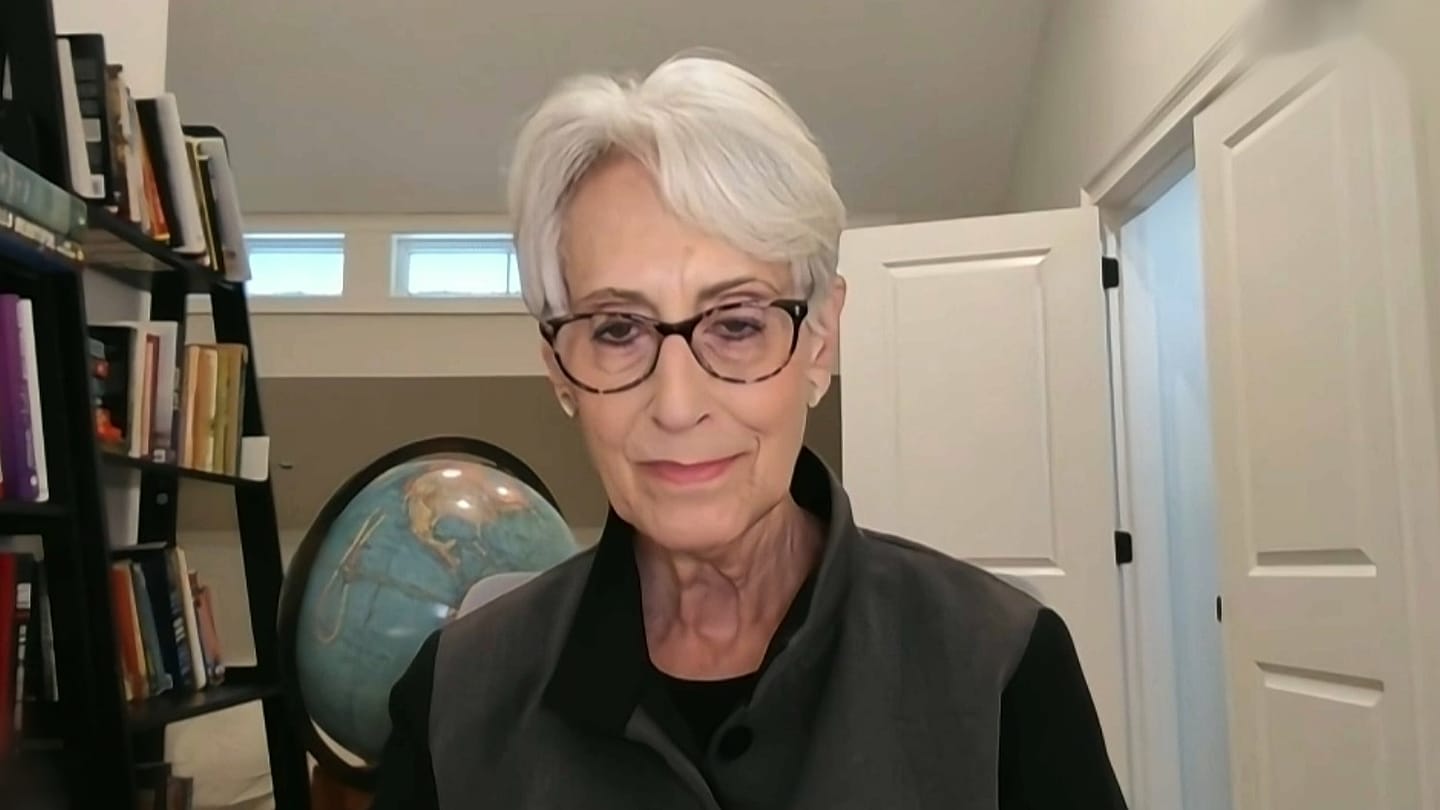
Former US diplomat Wendy Sherman, who served as lead negotiator in the Iran nuclear talks, has warned that Tehran is in a stronger position today than before the recent conflict. In an interview with Euronews, she said European capitals should take note of the shift in power dynamics.
Sherman, who helped broker the 2015 Joint Comprehensive Plan of Action (JCPOA), told the programme that while current talks aimed at ending the US-Iran standoff are welcome, the Islamic Republic has gained leverage. “Iran is stronger now than it was before the conflict began,” she said. “That is a reality European leaders must confront.”
European Security Implications
The assessment comes as European Union foreign policy chiefs in Brussels and national capitals from Berlin to Paris weigh their next steps. The EU has long sought to preserve the JCPOA framework, but Washington’s withdrawal in 2018 under the Trump administration and subsequent Iranian breaches have complicated the landscape. Sherman’s warning suggests that any new deal will require Europe to accept a more assertive Iran.
European security analysts have pointed to Iran’s expanded missile programme and its support for proxies in Lebanon, Yemen, and Syria as evidence of its enhanced posture. The EU Defence Chief Warns of More Russian Attacks on European Soil After Poland Killing, but the Iran dimension adds another layer of complexity for European defence planners.
Sherman’s comments also come amid broader geopolitical tensions. The US-Iran Deal Remains Fragile as Regional Tensions Persist, Analyst Warns, and European diplomats in Vienna and Geneva have been shuttling between parties to salvage a framework.
What Europe Should Do
Sherman advised European governments to coordinate closely with Washington but also to develop independent leverage. “Europe cannot simply follow the US line,” she said. “It must have its own strategy, its own red lines, and its own incentives.” She pointed to the potential for European investment in Iranian infrastructure as a carrot, but warned that sanctions relief must be tied to verifiable compliance.
The former negotiator also highlighted the role of the UK, which left the EU but remains a key player in the E3 (France, Germany, UK) format. London, Paris, and Berlin have maintained a joint diplomatic channel on Iran since the JCPOA was signed.
In Tehran, hardliners have used the conflict to consolidate power. The Iranian rial has stabilised somewhat, and oil exports have risen despite US sanctions, partly through shipments to Chinese refineries. European companies, however, remain wary of re-entering the market given the risk of secondary US sanctions.
Sherman’s warning is likely to resonate in European capitals already grappling with multiple crises. The Brussels Warns Poland-Ukraine Spat Plays Into Putin's Hands, and the Iran file adds a Middle Eastern dimension to Europe’s security calculus.
For now, the talks continue. But as Sherman put it, “Europe must negotiate from a position of strength, not wishful thinking.”