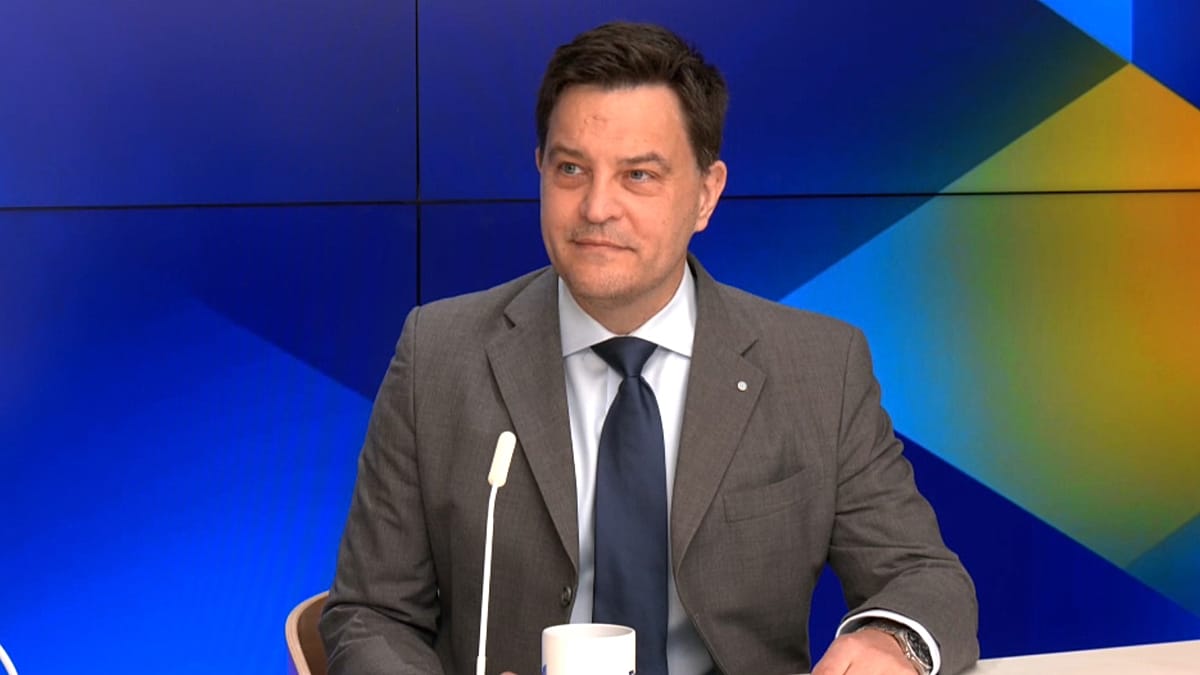
The agreement between the United States and Iran remains on shaky ground, with underlying tensions still threatening to reignite conflict, according to Tomi Huhtanen, Executive Director of the Wilfried Martens Centre. Speaking on the current state of diplomacy, Huhtanen described the deal as "very fragile" and warned that the potential for escalation has not dissipated.
Huhtanen, whose Brussels-based think tank is named after the former Belgian prime minister, stressed that European Union member states must play a more active role in stabilizing the accord. He argued that the bloc should be "in the same group chat" when it comes to discussions with Tehran and other key players, including Russia. His comments reflect growing unease in European capitals that Washington and Tehran may be moving toward a narrow bilateral understanding that sidelines broader regional and global concerns.
European Coordination Under Scrutiny
The analyst was blunt about the EU's recent performance in foreign policy coordination. "Coordination among European countries has not worked," he said, pointing to fragmented responses to the crisis. This lack of unity, he suggested, undermines the bloc's ability to influence the outcome of negotiations that have direct consequences for European security and economic stability.
The warning comes as the Trump administration claims a deal is imminent, with both sides stepping back from full-scale conflict. Yet Huhtanen's assessment suggests that the underlying drivers of hostility—including Iran's nuclear ambitions, regional proxy wars, and US sanctions—remain unresolved. The deal's fragility is compounded by the absence of a comprehensive framework that includes European interests, particularly in energy markets and maritime security in the Strait of Hormuz.
European economies are already feeling the strain. Spain's inflation has held at 3.2% for three months, partly due to energy price volatility linked to the Iran conflict. Meanwhile, the UK economy shrank in April as higher energy costs weighed on activity. These figures underscore why Brussels cannot afford to be a passive observer.
Huhtanen's call for EU involvement is not merely about diplomatic prestige. The bloc has leverage through its economic weight, its role in the Joint Comprehensive Plan of Action (JCPOA) framework, and its relationships with Gulf states and Israel. However, internal divisions—between hawks like France and more conciliatory voices—have often paralyzed a unified stance.
The analyst also highlighted the need for a broader dialogue that includes Russia, which has its own interests in the region. Moscow's role as a broker and arms supplier complicates any deal, but Huhtanen argued that excluding it would be a mistake. "You cannot have a sustainable peace in the Middle East without talking to all the relevant actors," he said.
As the US and Iran inch toward an agreement, the EU faces a critical test: either assert itself as a credible mediator or risk being sidelined in a region where its energy security and migration pressures are directly at stake. For now, Huhtanen's assessment serves as a sobering reminder that a piece of paper does not erase decades of mistrust.