Iranian authorities executed two protesters in public in Isfahan's Shahid Alikhani Square on Tuesday morning, defying urgent appeals from United Nations human rights experts. The two men — Amirhossein Safari Hosseinabadi and Abolfazl Sepahi Badjiani — were hanged in the Malekshahr district of Isfahan, according to the judiciary-linked Mizan news agency and state-affiliated Fars news agency.
The executions bring the total number of people put to death in connection with the same case to four. In July, Golmohammad Mohammadi and Erfan Esfandiari were executed by Iranian authorities. Eight other defendants remain under death sentences.
Closed trials and coerced confessions
The 12 young men were sentenced to death in a case linked to protests that erupted in the same square on 8 January. Iranian authorities accused the defendants of involvement in the killing of four members of the Basij militia and special units during clashes, as well as arson and vandalism. Fars reported that the defendants were accused of killing security personnel, alleging that officers were attacked, set on fire and killed during the unrest.
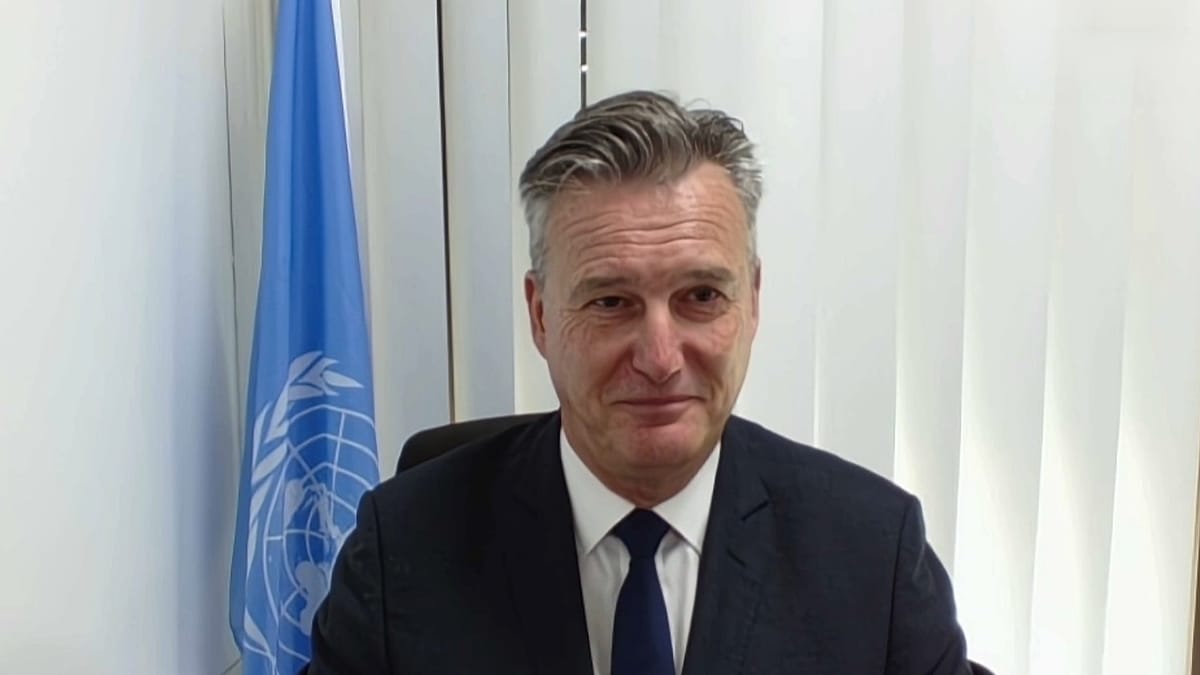
UN experts, led by Mai Sato, the Special Rapporteur on the situation of human rights in Iran, had urged Tehran to stop the executions, saying the legal proceedings raised serious concerns over fair trial standards. “Sentencing 12 people to death in one hearing, in a closed courtroom and without clarity as to each defendant’s individual responsibility violates established fair trial standards,” the experts said.
The UN said the defendants, many of whom were in their late teens or early twenties at the time of their arrests, had reportedly faced arbitrary detention, enforced disappearance and, in some cases, ill-treatment. According to the UN experts, the convictions relied heavily on confessions broadcast on state television, while hearings before Iran's Revolutionary Courts were held behind closed doors and verdicts were not publicly released.
Among those still facing execution is Shervin Bagherian Jebeli, who turned 18 shortly before his arrest. UN experts said Iranian state television broadcast his confession within a week of his detention and before any trial had taken place.
Growing crackdown on dissent
The executions came after hours of growing concern on social media over reports that an iron scaffold had been installed in Alikhani Square. Videos shared online showed the structure being prepared and security forces surrounding the area. The reports could not be independently verified. Witnesses and social media users said the square remained under heavy security throughout Monday night, with some reporting brief confrontations between security forces and people who gathered on site.
A source close to Safari's family said relatives had been summoned to Isfahan Central Prison for what they believed could be a final visit before his execution.
The UN human rights office said at least 24 people have been executed in connection with the January protests so far this year. Tehran has said that 3,117 people were killed during the protests that started in the Iranian capital in December over sudden hyperinflation, but then quickly turned into nationwide anti-government demonstrations.
For European readers, the case underscores the ongoing human rights crisis in Iran, which has drawn condemnation from EU institutions and member states. The bloc has imposed sanctions on Iranian officials and entities involved in the crackdown, but executions continue. The situation also highlights the broader challenges of Iran's intensifying crackdown on dissent, which has implications for regional stability and the EU's foreign policy toward Tehran.