Iran is likely preparing for a resumption of hostilities with the United States and Israel, according to a new assessment from the Washington-based Institute for the Study of War (ISW). The think tank points to a series of military movements and internal security exercises as evidence that Tehran is actively preparing for renewed conflict, even as a fragile ceasefire holds.
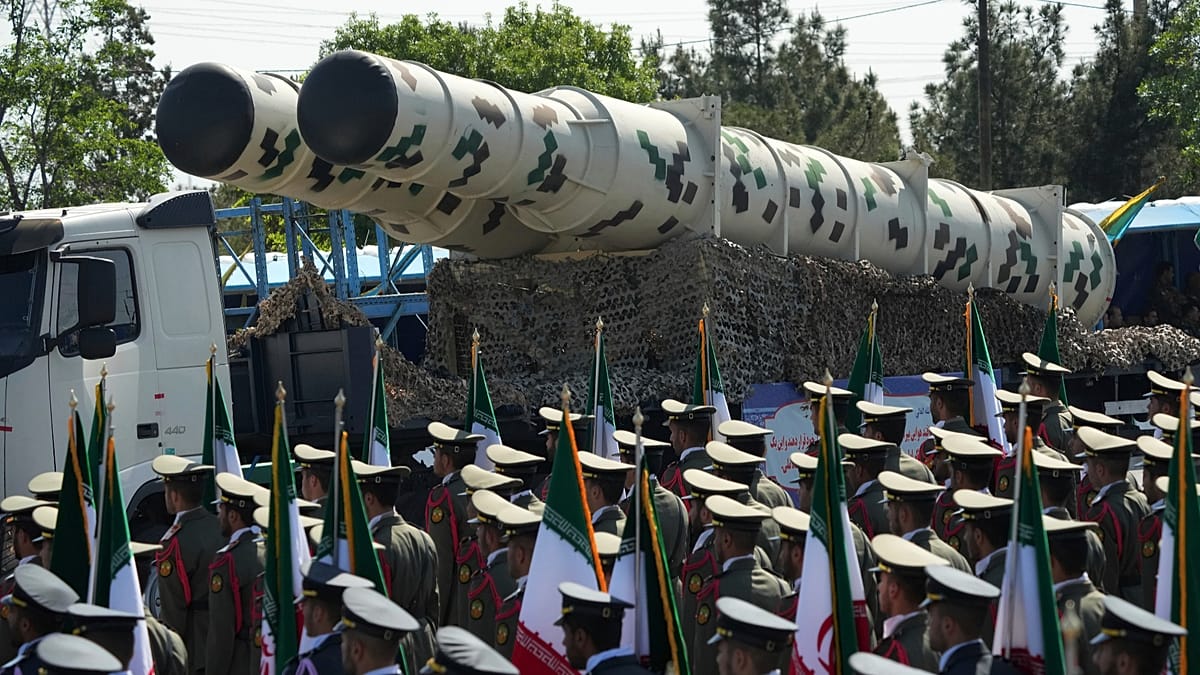
The ISW, which has been publishing daily analyses of the conflict, noted that the Iranian regime appears to view preparations for renewed fighting as inseparable from efforts to suppress domestic unrest. On Tuesday, the Tehran Province IRGC Mohammad Rasoul Ollah Unit—a key internal security formation responsible for the capital—conducted an exercise. State media reported that the IRGC confirmed the drills were designed "to confront any movement of the ... enemy."
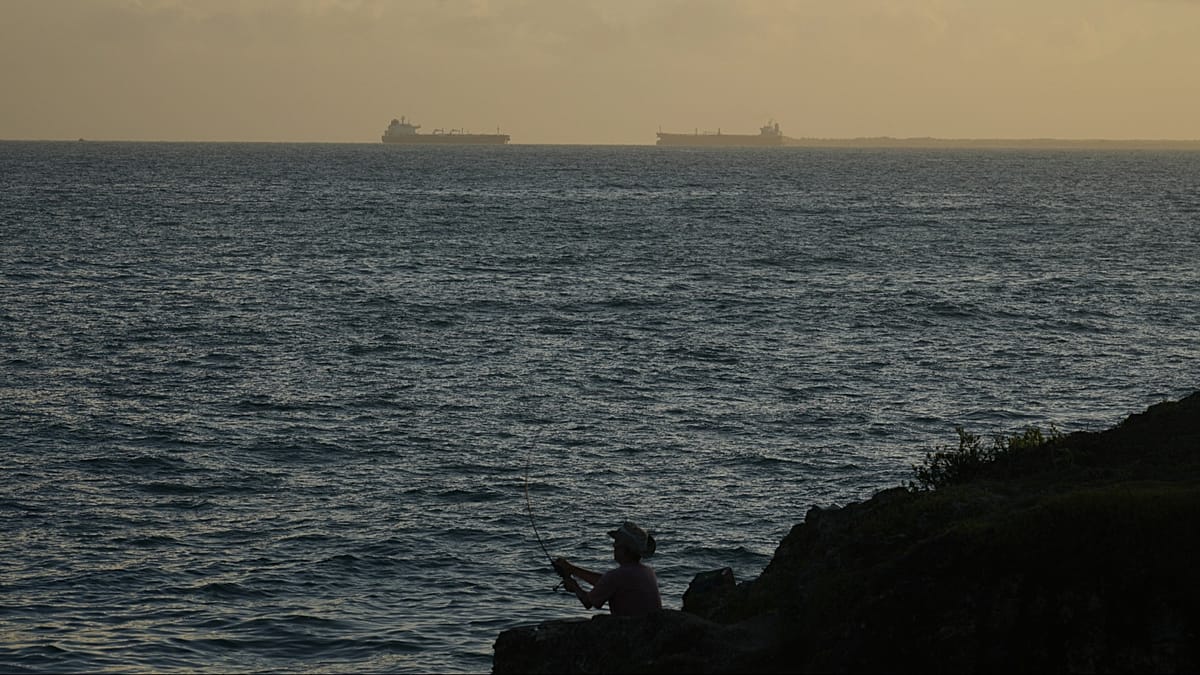
Separately, the Iranian military scheduled drills at Mahshahr Port, approximately 100 kilometres from Bubiyan Island. The ISW assessed that the IRGC Navy could use these exercises to prepare for new operations if the ceasefire collapses, or to disperse vessels ahead of resumed strikes.
Missile Stockpiles and Strategic Repositioning
The assessment comes amid reports that Iran's missile stockpiles have largely survived the US-Israeli aerial campaign that began on 28 February. According to US military assessments published by The New York Times on Monday, Tehran's missile inventory is estimated at roughly 70% of pre-war numbers. Furthermore, Iran has reportedly restored operational access to 30 of its 33 missile sites along the Strait of Hormuz.
The ISW also reported that Tehran is attempting to protect its military assets by repositioning them in countries it calculates the United States would not strike. Meanwhile, the IRGC is consolidating influence over Iran's internal power structure under IRGC Commander Major General Ahmad Vahidi and his inner circle, as peace talks remain stalled.
Tehran has made clear it will not negotiate without guarantees against future military strikes, including recognition of its sovereignty over the Strait of Hormuz. The ISW described this pursuit as Iran's most important deterrence tool, warning that such an outcome would have severe consequences for global trade, particularly for Gulf states dependent on maritime routes.
Diplomatic Stalemate
US President Donald Trump described the ceasefire on Monday as on "massive life support" with a "one percent chance" of surviving. Iran's chief negotiator, Mohammad Bagher Ghalibaf, responded on Tuesday by insisting that Washington must accept Tehran's latest peace plan or face failure. "There is no alternative but to accept the rights of the Iranian people as laid out in the 14-point proposal. Any other approach will be completely inconclusive, nothing but one failure after another," Ghalibaf wrote on X. "The longer they drag their feet, the more American taxpayers will pay for it."
The Pentagon said on Tuesday that the cost of the war had climbed to nearly $29 billion (€24.7 billion)—about $4 billion (€3.4 billion) higher than an estimate offered two weeks ago. Iran sent its latest proposal in response to an earlier US plan, details of which remain limited. Media reports have said Washington's plan involved a one-page memorandum of understanding aimed at ending the fighting and establishing a framework for negotiations on Iran's nuclear programme.
Iran's foreign ministry said its response called for ending the war on all fronts, including in Lebanon, halting the US naval blockade of Iranian ports, and securing the release of Iranian assets frozen abroad under longstanding sanctions. But Trump slammed Tehran's reply as "totally unacceptable," saying the US would enjoy a "complete victory" over Iran.
The war, which erupted more than two months ago, has spread throughout the Middle East and roiled the global economy despite the ceasefire, impacting hundreds of millions worldwide. Both sides have refused to make concessions and repeatedly threatened to resume fighting. For European observers, the conflict's implications for energy security and maritime trade remain acute, as the Strait of Hormuz is a critical chokepoint for oil and gas shipments to Europe. The EU's ongoing divisions over foreign policy, as seen in debates over direct talks with Russia on Ukraine peace, underscore the challenges of crafting a unified European response to crises in the Middle East.