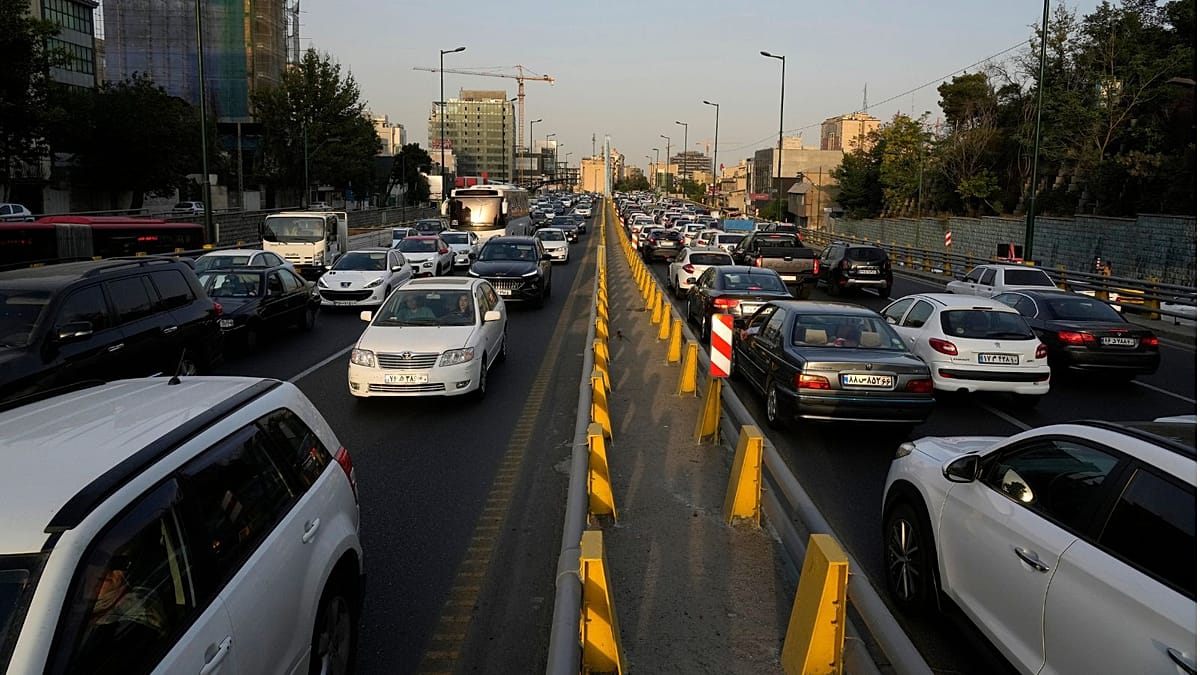
In the early hours of Thursday, motorists in Tehran and other Iranian cities faced kilometre-long queues at petrol stations, as a daily fuel shortfall collided with a wave of panic buying. Videos shared on social media showed lines of vehicles snaking through the capital and the nearby city of Karaj from midnight, with several stations closing before demand could be met.
Officials attributed the surge to rumours of shortages, but the scale of the disruption and the simultaneous announcement of a price increase point to a deeper structural problem. The shortfall of 15 million litres per day stems from US sanctions that have curtailed imports, US-Israeli strikes on Iranian refining infrastructure, and a naval blockade of Iranian ports in place since the war began on 28 February.
Consumption spikes amid supply strain
Mohammad Sadegh Azimifar, managing director of the National Iranian Oil Products Refining and Distribution Company, said consumption in Tehran province had risen by 30% but insisted the supply chain was stable. "Some people have gone to petrol stations because of rumours, but there is no cause for concern," he said.
Keramat Veis-Karami, managing director of the National Iranian Fuel Distribution Company, confirmed that average daily distribution rose from 138 million litres in Mordad to 150 million litres on Wednesday—a figure that suggests demand is running well ahead of normal levels. He called the shortage rumours "baseless and unfounded" and urged drivers not to queue unless their tanks were genuinely close to empty.
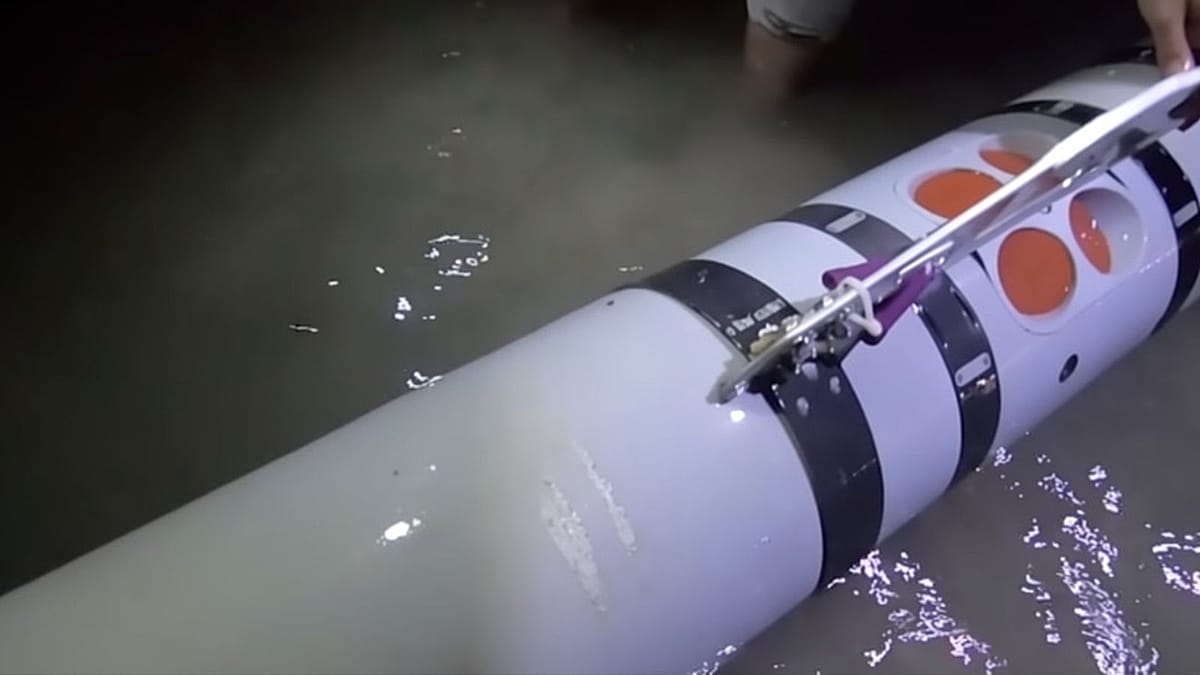
The spike in consumption is not limited to Tehran. Reports from other cities, including Isfahan and Shiraz, indicate similar scenes, with motorists waiting for hours to fill up. The situation has been exacerbated by fuel smuggling, which continues to drain supplies. Iranian media reported last week that authorities in the south had dismantled a 6-kilometre pipeline buried under beach sand and seawater, used to smuggle fuel out of the country. The Bandar Abbas maritime security unit also announced the seizure of more than 12,000 litres of smuggled diesel, worth approximately €10,000 at the open-market exchange rate.
Price rise confirmed, but no timeline
Vice President for Executive Affairs Mohammad Jafar Ghaempanah said on Wednesday evening that fuel prices would have to change. "Today we need to make changes to the price of petrol and diesel," he told Gilan provincial television. "The way, extent and timing of this price change have not yet been decided; we need to sit down with all those involved and then inform the public of the outcome."
He acknowledged that the current subsidy system was unfair, with car owners benefiting from more subsidised fuel than those without vehicles. However, any fuel price increase carries significant political risk. Tehran's last attempt to raise petrol prices in November 2019 triggered the bloodiest crackdown on protests since the 1979 revolution, killing an estimated 1,500 people according to human rights organisations.
More recently, in December 2025, Iran was swept by nationwide protests sparked by persistent hyperinflation, which security forces suppressed with lethal force, with tens of thousands of casualties reported. The government of President Masoud Pezeshkian has not set a date for the increase, and reports in Iranian media suggest a dispute between the Islamic Revolutionary Guard Corps (IRGC) and the government over access to strategic fuel reserves. The Guards reportedly oppose Tehran's unrestricted use of the stockpiles, though neither side has publicly confirmed the dispute.
The fuel crisis adds to the economic strain on Iran, which is already grappling with inflation and the effects of international sanctions. The situation also has broader implications for the region, as talks over Hormuz shipping remain stalled, and the war continues to disrupt global energy markets. For European observers, the instability in Iran is a reminder of the fragility of energy supplies and the potential for spillover effects on global prices and security.