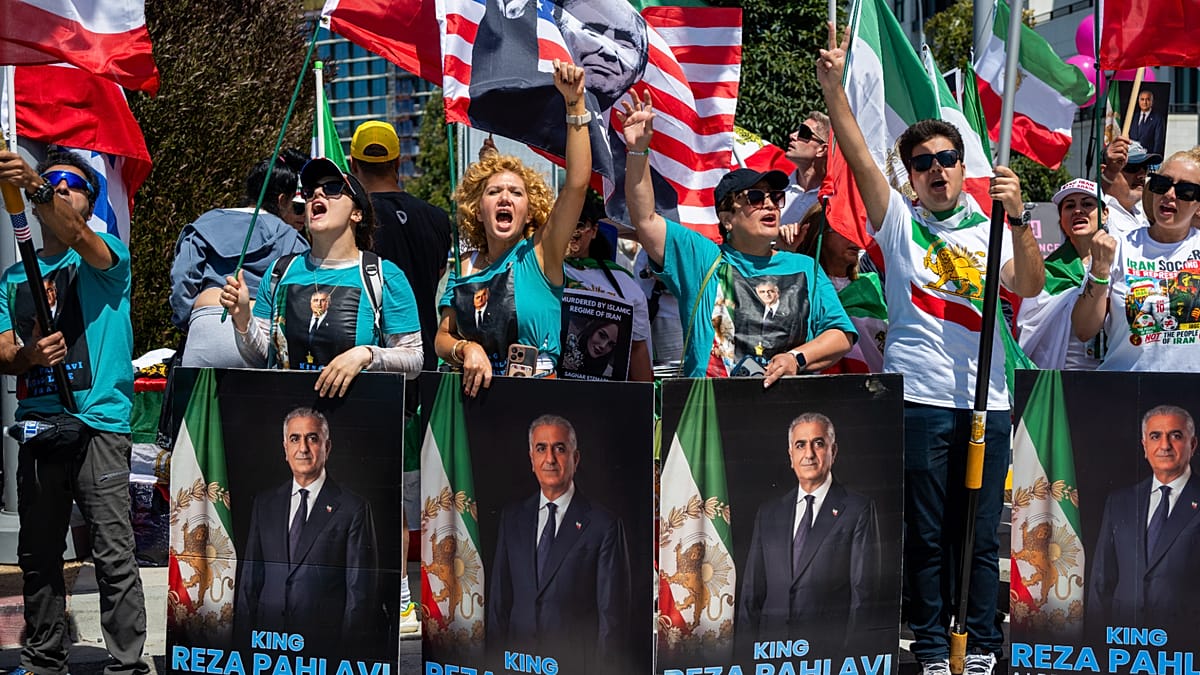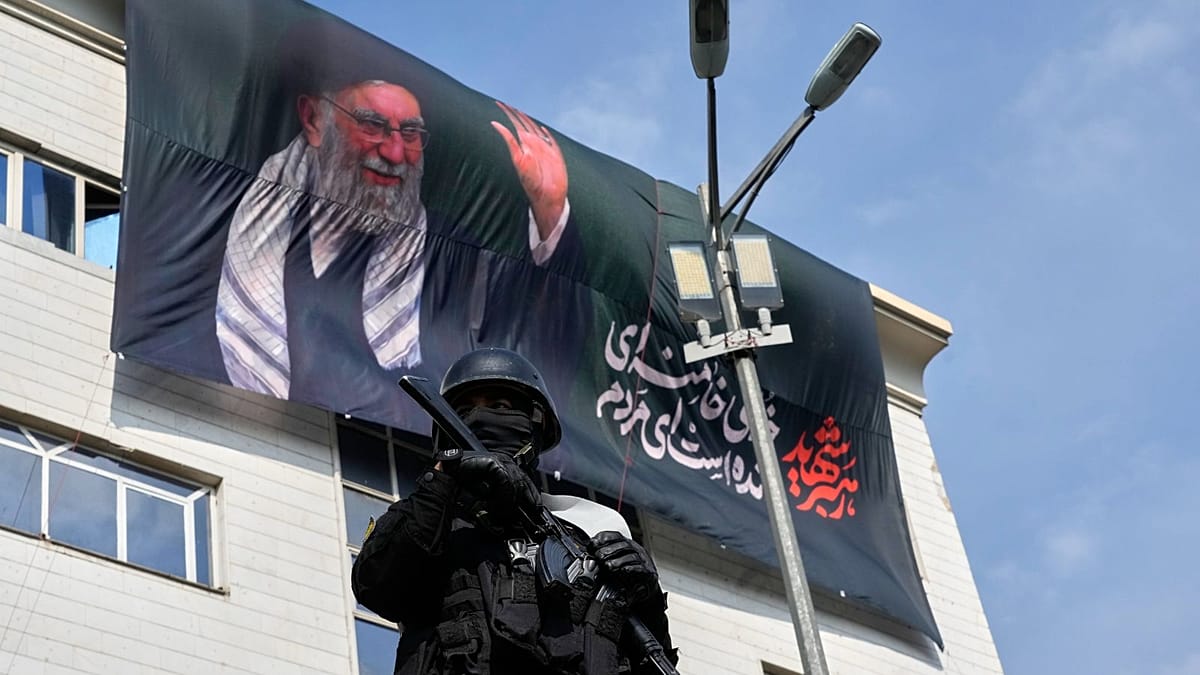
Iran's judiciary has moved to confiscate property and freeze bank accounts belonging to 240 dissidents, journalists, and public figures, according to the judiciary-affiliated Mizan news agency. The measure, which includes 182 frozen accounts, targets individuals accused of "propaganda activities or actions against the country and in favour of hostile governments."
Police Chief Ahmadreza Radan confirmed on Sunday that more than 6,000 people have been arrested in connection with the protests that erupted in January. The crackdown has drawn international concern, with human rights groups documenting a sharp rise in executions since the start of the war with the United States in late February.
Asset seizures and foreign-based journalists
Of the asset seizures, 143 took place in Tehran. The judiciary also made more than 2,000 inquiries to Iran's Central Bank regarding defendants' accounts, warning that additional seizures and legal proceedings are under way. Among those targeted are journalists working for Persian-language opposition broadcasters Iran International and Manoto, as well as activists and public figures living abroad.
One high-profile case involves Sadegh Saeedi-nia, described by Iranian media as an entrepreneur, whose property was confiscated and who received a custodial sentence. The case is seen as one of the most prominent proceedings against regime opponents.
Police claim to thwart further unrest
Radan said security forces had arrested three members of the Mojahedin-e Khalq (MEK), an exiled opposition group seeking to overthrow the Tehran regime, in an operation the previous night. He accused MEK members of playing a role in what Iranian authorities describe as a coup attempt—the term used for the December-January protests.
"We will not forget the rioters and coup-plotters, we continue to monitor them and take action against them," Radan said. He also claimed that security forces had prevented the Persian fire festival Chaharshanbe Suri from being used to trigger further unrest. "One of the enemy's extensive plans was to use the last Wednesday of the year to create a scenario similar to the incidents (in January), but that did not happen," he added.
Executions and international reaction
According to Iran Human Rights, a Norway-based monitoring group, Iran has executed at least 532 people since January, including at least 29 linked to the protests. The rate has accelerated since the war with the US began. The late Ayatollah Ali Khamenei, killed in a US strike on his residence at the start of the war, had publicly described the protests as a coup attempt.
The crackdown has drawn condemnation from European governments and human rights organisations. The EU has repeatedly called for restraint and respect for fundamental freedoms in Iran, but has struggled to adopt a unified response. Meanwhile, the situation remains volatile, with authorities vowing to continue monitoring and prosecuting those they deem threats to the regime.