Tehran has launched ballistic missiles at two US military air bases in Jordan, according to Iran's Revolutionary Guard Corps (IRGC), in retaliation for Washington's first strikes on Iranian territory in a month. The exchange marks a fresh escalation in a conflict that has now lasted six months, even as diplomatic efforts to end the war continue.
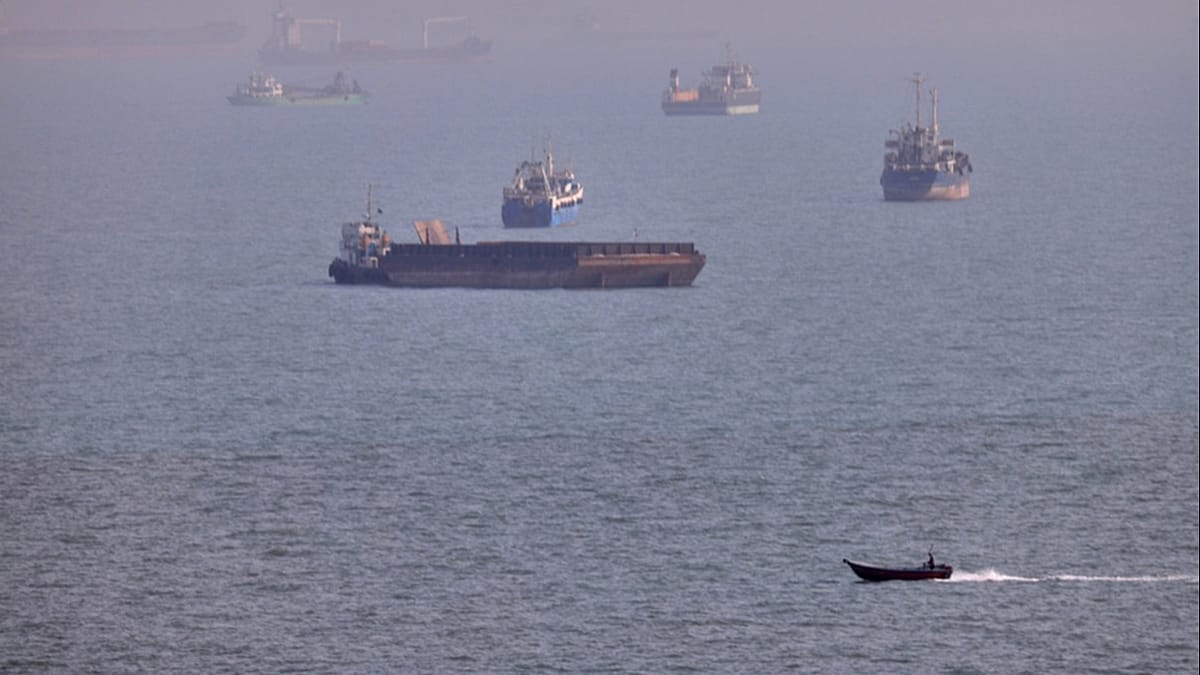
The IRGC said the missiles caused “heavy damage” at the bases, but Jordan's army reported that it intercepted eight missiles, without specifying their origin. The attack came hours after the United States revealed it had targeted Iranian rocket launchers on Larak, a small island in the Strait of Hormuz, on Sunday.
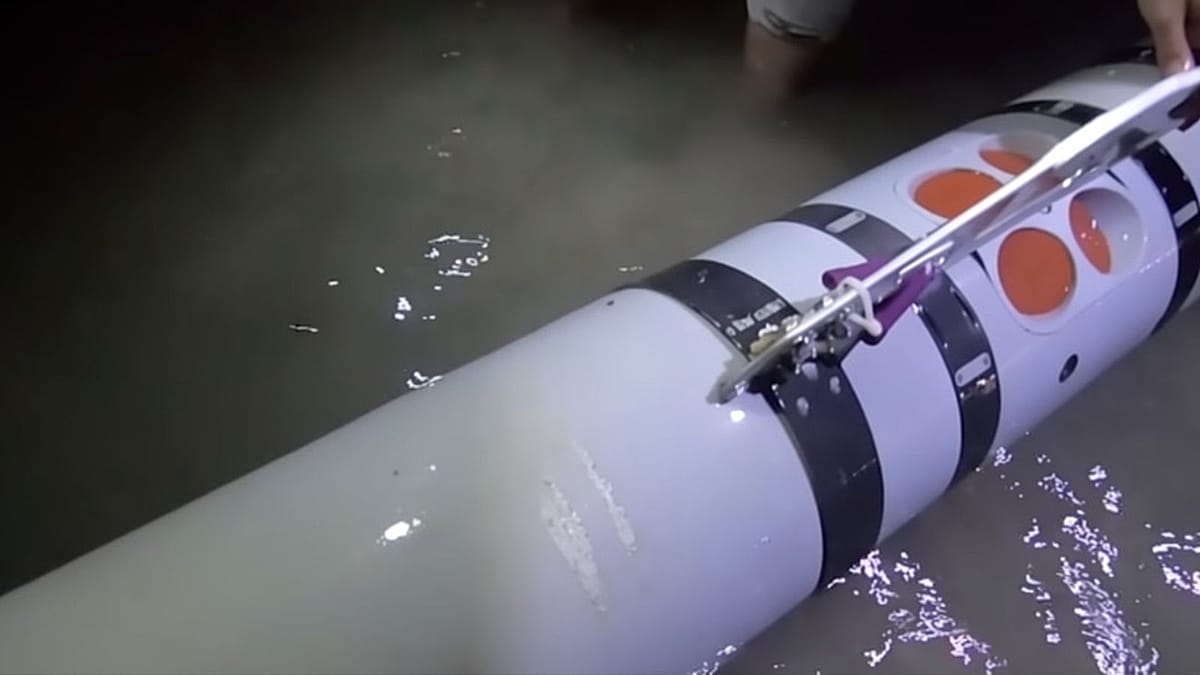
US Central Command (CENTCOM) said the strikes were “limited, precise action” against IRGC minelaying forces that posed an “imminent threat” to shipping in the strait. Washington had earlier announced it had completed clearing sea mines from the waterway's international shipping routes, a task that took several days.
“US forces are monitoring the area closely and remain prepared to protect the free flow of commerce through this essential waterway,” said Navy Captain Tim Hawkins, a CENTCOM spokesperson.
The IRGC said the US strikes caused “casualties” and described its own attack on Jordan as a response to “US-Zionist aerial aggression.” The exchange comes just after the war reached the six-month mark, a period that has seen intense fighting taper off in recent weeks.
Shift to economic warfare
Under President Donald Trump, the US administration has increasingly prioritised “economic warfare” over military strikes, a shift that began amid domestic and international pressure to end a campaign initially expected to be short-lived. Washington has imposed a naval counterblockade on Iranian ports, squeezing petrol supplies in Iran as domestic production falls short.
The April ceasefire halted the most intense fighting, but sporadic attacks, particularly around the Strait of Hormuz, have undermined hopes for a final peace deal. The last US strike on Iran before Sunday's came on 29 July, in response to what the US military described as an attempted surprise attack on its forces. Earlier in July, CENTCOM had conducted strikes on Iran for 13 consecutive nights.
Iran's closure of the Strait of Hormuz, through which about 20% of the world's oil passed before the war began on 28 February, has caused significant global economic disruption, including supply chain crises, price hikes, and shortages of fertiliser and energy. The strait remains effectively blocked, despite US efforts to clear mines.
Diplomatic efforts, led by mediators including Pakistan and Qatar, have so far failed to produce a lasting agreement. A ceasefire was agreed in April and a memorandum of understanding towards a final peace deal was signed in June, but no comprehensive accord has been reached. Washington has since declared “economic warfare” against Tehran, complicating negotiations.
The latest strikes also draw in Jordan, a key US ally in the region, and highlight the risk of a wider conflict. Throughout the war, Iran has targeted US facilities and allies across the Gulf, including in Qatar, the United Arab Emirates, Saudi Arabia, Bahrain, Kuwait, and Oman, dragging the wider region into the fray.
For European observers, the instability in the Strait of Hormuz carries direct consequences: energy prices, supply chains, and global security are all affected. The European Union has repeatedly called for restraint and a return to diplomacy, but with both sides entrenched, the path to peace remains unclear.