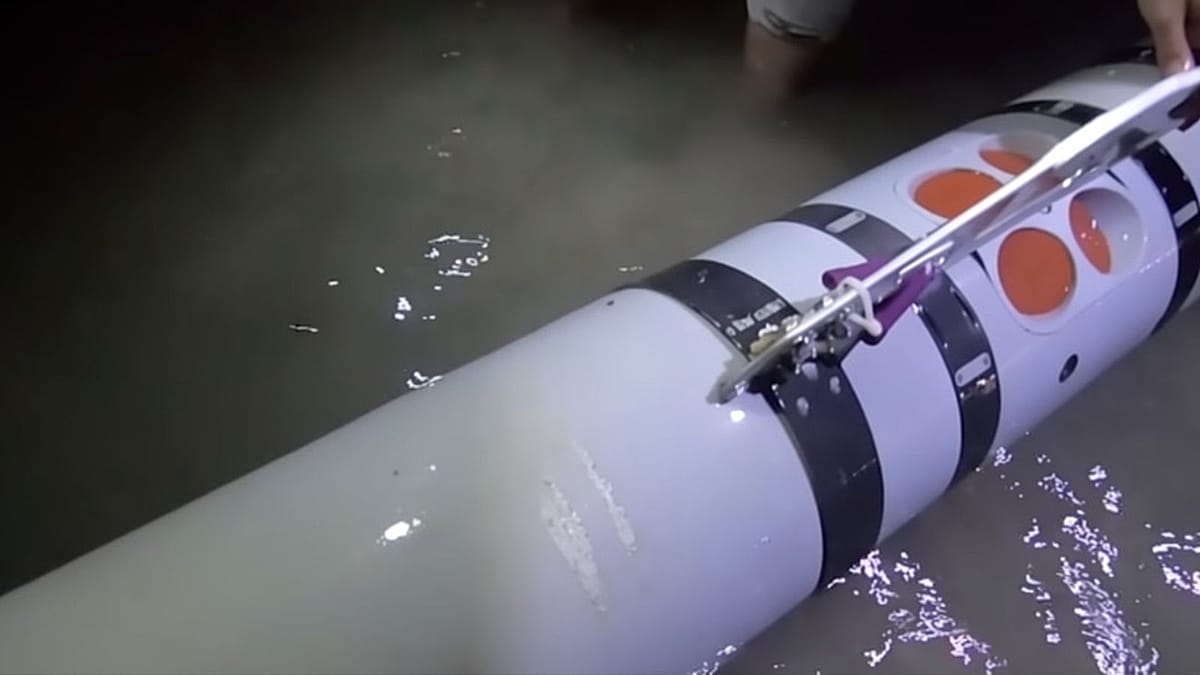
Tehran reported on Sunday that its military forces had engaged a US naval drone attempting to enter the Strait of Hormuz, marking the latest escalation in a series of confrontations between the two countries in the strategic waterway.
The Islamic Revolutionary Guard Corps (IRGC) said in a statement carried by Iranian state television that it had launched an attack on an "unmanned surface vessel" off Iran's southern coast as it was about to enter the strait, a critical chokepoint for global oil and gas shipments.
"The aggressor United States must understand that it has no choice but to leave the region and stop its acts of mischief," the IRGC statement read, according to state media.
The incident comes just a day after the US military announced it had struck three Iranian oil tankers in response to what it described as ballistic missile attacks by the IRGC against two US Navy warships. The US Central Command (CENTCOM) said its forces had "permanently disabled" the tankers M/T Downy near Kharg Island and M/T Stark 1 near Jask, and "completely destroyed" the unladen crude carrier M/T Kylo in the Gulf of Oman.
"A U.S. aircraft carrier and guided-missile destroyer successfully evaded multiple unprovoked Iranian attacks. No American personnel were harmed," CENTCOM said in a statement, adding that video footage of the strikes had been posted on social media.
Renewed confrontation
The latest flare-up began last Sunday when US forces targeted Iranian rocket launchers in the Strait of Hormuz. The IRGC subsequently confirmed strikes on Larak Island and launched retaliatory attacks on US bases across the Middle East.
On Saturday, Admiral Brad Cooper, commander of CENTCOM, issued a direct warning to Tehran and its oil fleet, underscoring the heightened state of alert in the region.
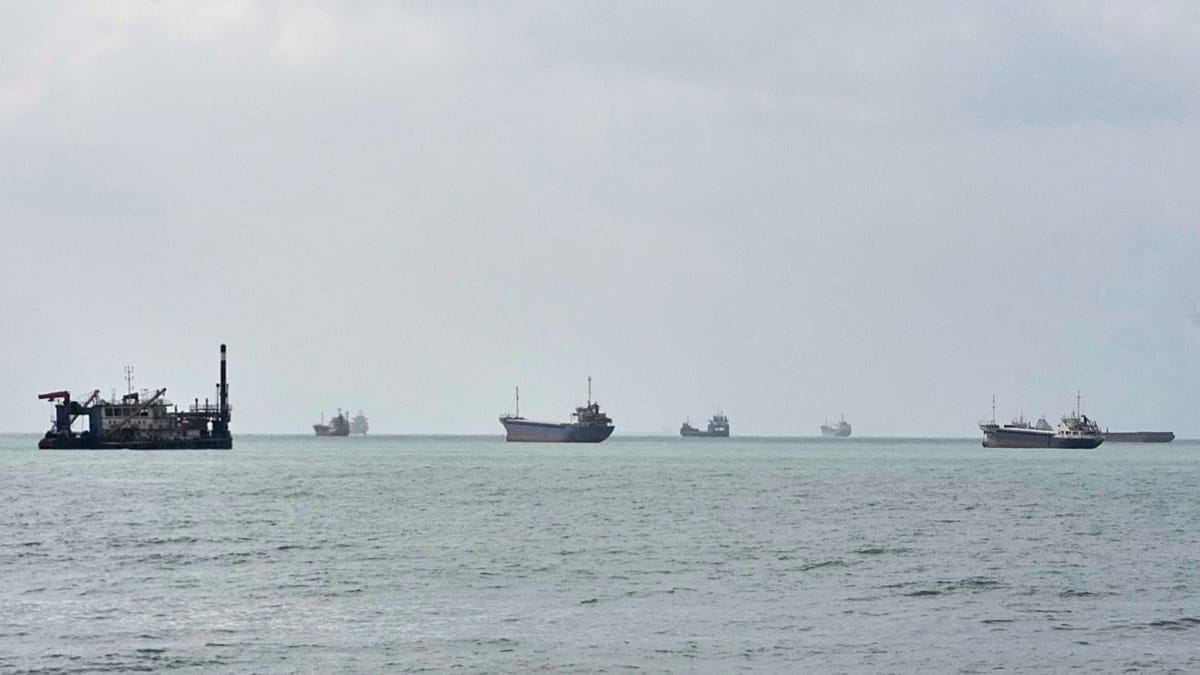
The IRGC has also cautioned ships against using unapproved routes through the strait, which handles roughly a fifth of global oil consumption. The warnings have raised concerns among European energy importers, who rely heavily on the passage for supplies from the Gulf.
European diplomats have repeatedly called for de-escalation, but the cycle of strikes and counter-strikes shows little sign of abating. The European Union has maintained a naval mission in the region since 2020, tasked with ensuring safe navigation, though its mandate does not include direct confrontation with Iranian forces.
The developments also come amid broader tensions across the Middle East, with European capitals closely monitoring the situation. The EU has already imposed sanctions on Iranian individuals and entities over human rights abuses and support for Russia's war in Ukraine, as seen in recent EU sanctions on Russians, but has so far avoided direct economic measures against Tehran's oil exports.
Analysts in Brussels and Berlin warn that a full closure of the Strait of Hormuz would have severe consequences for European energy security, potentially reigniting inflation and disrupting supply chains. The bloc has diversified its energy sources since the Russian invasion of Ukraine, but Gulf crude and LNG remain vital for several member states.
The US-Iran standoff is not new, but the frequency and intensity of recent incidents have raised alarms. European leaders have urged both sides to return to diplomatic channels, but with no clear off-ramp, the risk of miscalculation remains high.