An unnamed source linked to Iran's Islamic Revolutionary Guard Corps (IRGC) has warned that any further Israeli attacks on Iranian energy infrastructure will trigger strikes on energy assets across the broader region, including those of the United States, Israel, and their regional partners. The threat, reported by the IRGC-affiliated Fars News Agency, specifically names oil companies and energy firms with US or Israeli shareholders as legitimate targets.
Exchange of Strikes on Petrochemical Facilities
On Monday, Iranian media reported that Israel had struck the Karun petrochemical plant in the port city of Mahshahr, Khuzestan province—one of Iran's primary petrochemical and industrial zones. The Karun complex is a major ethylene producer and a critical node in Iran's chemical export infrastructure. Social media footage showed smoke and fire at the site.
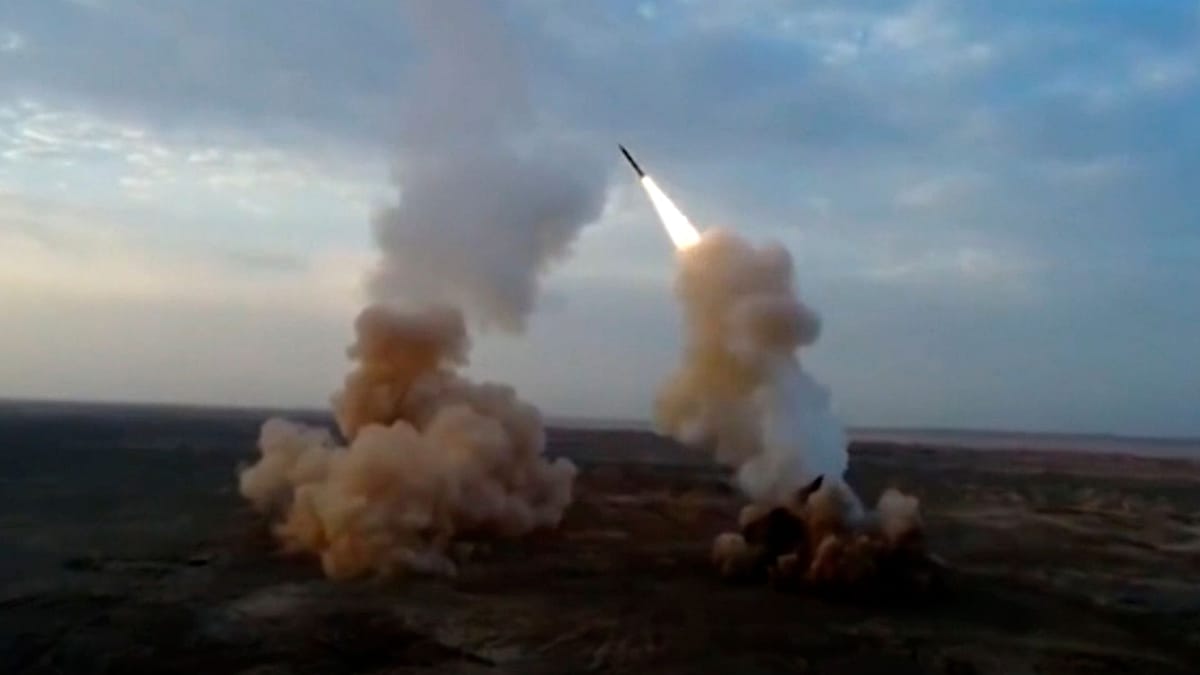
Within an hour, the IRGC's Aerospace Force retaliated by striking petrochemical facilities in Haifa, Israel's main industrial port and the center of its petrochemical sector. Haifa is home to the Bazan Group oil refinery, Israel's largest, along with multiple chemical plants and storage terminals. The IRGC stated that the strikes targeted "similar industrial facilities" to those hit in Iran and warned that Israel had "launched a dangerous game" by targeting civilian energy infrastructure. The concentration of hazardous materials in Haifa's industrial zone raises significant civilian and environmental risks.
Israeli forces separately reported striking military sites in western and central Iran. The exchange came hours after Iran launched missiles toward Israel in response to an earlier Israeli attack on the southern suburbs of Beirut.
Diplomatic Fallout and Ceasefire Strains
The strikes occur despite a ceasefire between Iran and the US that has been in place since 8 April. Tehran insists the agreement covers all fronts, including Lebanon and Israeli operations—a position Washington and Israel reject. The escalation has already driven up oil prices, as global markets react to the instability.
At his weekly briefing, Iranian Foreign Ministry spokesperson Esmaeil Baghaei directly rejected US President Donald Trump's claim that Washington had tried to prevent the Israeli strikes. "No one believes that [Israel] would undertake any action without coordination with the United States," Baghaei said, adding that US Central Command was "fully aligned" with Israel "in both offensive and defensive operations." He held the US directly responsible, arguing that Washington bore responsibility as a party to the 8 April ceasefire and that "any development in the region that results in a violation of the ceasefire entails direct US responsibility."
Baghaei said Iran's military and diplomatic tracks were running in parallel, and that Iran's armed forces would act "whenever necessary." He justified the retaliatory strike under Article 51 of the UN Charter, which affirms the right of member states to self-defence in response to an armed attack.
Nuclear Negotiations Signal Shift
In a notable diplomatic signal, Baghaei indicated for the first time that Iran's enriched uranium stockpile could be on the table in a second phase of negotiations—a shift from Tehran's previous position that the issue was non-negotiable. "Any discussion about various aspects of Iran's nuclear programme, including its stockpile of enriched uranium, is purely speculative at this stage," he said. "If this stage reaches a successful conclusion, that issue would be one of the subjects to be discussed in the next phase of negotiations." He stressed that current talks remain focused on ending the war and that a prisoner exchange with the US is not on the current agenda.
Baghaei also denied reports that Iran had struck Prince Sultan Air Base in Saudi Arabia, stating that Iran's armed forces "openly and courageously announce any target they strike within the framework of Iran's legitimate right of self-defence." He accused IAEA Director General Rafael Grossi of adopting a "completely biased, non-technical, and political approach" toward Iran's nuclear file—the latest in a series of Iranian public attacks on Grossi's handling of the agency's monitoring role since the war began.
Regional and Global Implications
The threat to regional energy infrastructure has immediate implications for global energy security. The IRGC's warning could disrupt operations of international oil companies in the Gulf, and the risk of further escalation is high. The conflict also threatens to draw in other regional actors, as seen in the Houthi Red Sea ban and Hormuz blockade that already endanger global energy routes.
For European observers, the crisis underscores the fragility of the April ceasefire and the potential for a wider regional war that could affect energy supplies and security across the continent. The EU has repeatedly called for de-escalation, but the latest exchange of strikes suggests that diplomatic efforts remain insufficient.