Germany, once the engine of European prosperity, is grappling with a familiar label: the sick man of Europe. Chronic weak growth, a sharp drop in exports to China, struggling industries like mechanical engineering and automotive, ongoing deindustrialization, demographic pressures, and a shortage of skilled workers have all converged. Productivity has stagnated for years, and despite widespread awareness, meaningful reforms have been slow to materialize.
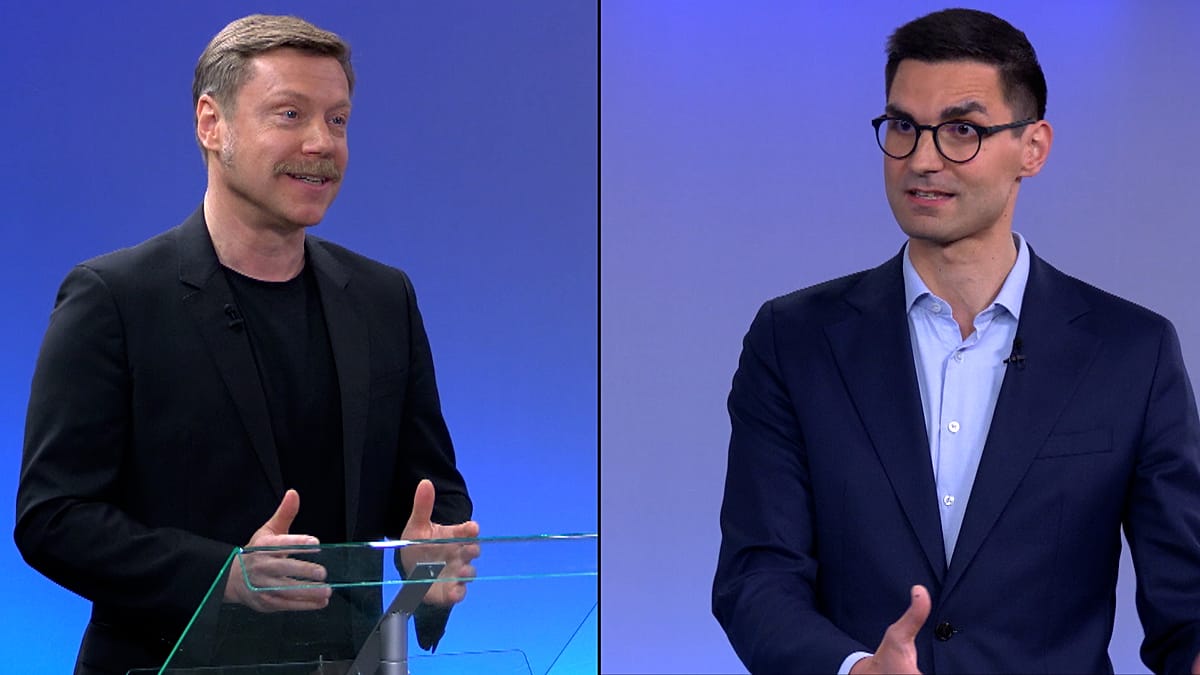
In a recent episode of The Ring, recorded in Berlin, two German politicians from opposing sides of the political spectrum and from different parliaments faced off to debate the country's reform backlog. Sepp Müller, vice chairman of Chancellor Friedrich Merz's Christian Democrats in the Bundestag, and Martin Schirdewan, co-chair of the Left group in the European Parliament, offered contrasting diagnoses and prescriptions for Europe's largest economy.
Export Dependency and Investment Gaps
Schirdewan argued that Germany's troubles stem from a long-standing strategy of cheap exports at the expense of workers. "People simply aren’t earning enough money. For a long time, a strategy of cheap exports has been pursued at the expense of workers, while at the same time there has been far too little investment—both in the public and private sectors. These are the core issues, and they really need to be addressed," he said.
Müller, however, emphasized the need to improve competitiveness, noting that one in four manufacturing jobs in Germany depends directly on exports. While acknowledging that numerous measures have been implemented, he pointed to a complex geopolitical environment as a major obstacle. "We see the major challenges posed by the Trump administration. We see the political situation with China. We see other global or regional powers, such as Russia, playing their dirty games at the expense of the (German) population, especially those with low and middle incomes," Müller stated.
The debate highlighted a fundamental disagreement over free trade agreements. Müller sees them as essential for securing markets, prosperity, and jobs, while Schirdewan views workers as victims of a mechanism that exacerbates economic inequality. The two also diverged on tax and housing policy, reflecting deeper ideological rifts.
Germany's struggles have broader implications for the European Union. A weakened German economy reduces demand for goods from other member states, strains EU fiscal coordination, and undermines the bloc's global influence. The country's business outlook has plummeted to its lowest level since the 2022 energy crisis, signaling that the malaise is deepening.
Meanwhile, other European nations are charting different paths. A new prosperity index ranks Norway first, pushing France and Germany out of the top ten, underscoring the competitive pressures facing the continent's traditional powerhouses.
The episode of The Ring was anchored by Stefan Grobe, produced by Luis Albertos and Amaia Echevarria, and edited by Vassilis Glynos.