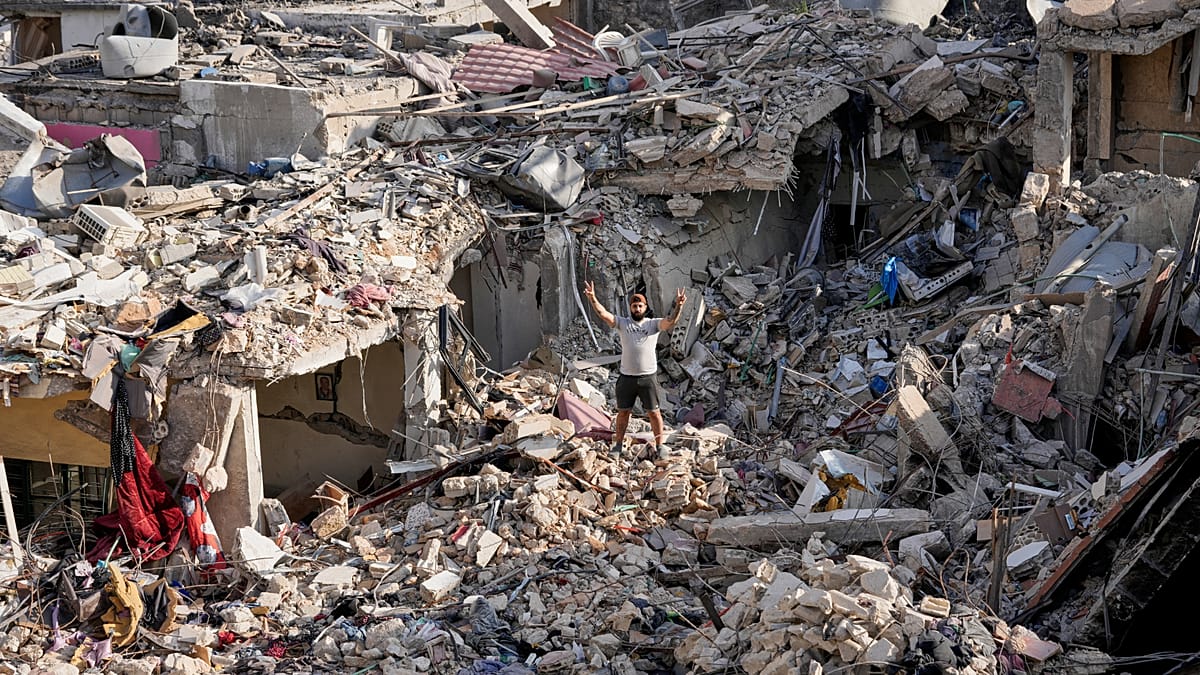
Israeli warplanes launched new airstrikes on areas in southern Lebanon on Tuesday, wounding at least several people, according to Lebanon's National News Agency (NNA). The raids targeted the Nabatieh al-Fawqa district and the eastern outskirts of Kfar Tebnit, while a drone strike hit the town of Ansariyeh in the Zahrani region. The attacks come just days before a US-brokered peace deal between Washington and Tehran is expected to be signed, potentially ending the broader Middle East conflict that began in early March.
Since the US-Iran agreement was announced on Monday, violence in Lebanon has decreased, but Israeli strikes have still killed at least five people, NNA reported. The Iran-backed militant group Hezbollah, which drew Lebanon into the war by firing rockets at Israel in retaliation for the killing of Iran's supreme leader, has not issued any statements claiming attacks on Israeli targets since Tuesday. Its leader, Naim Qassem, is scheduled to deliver a televised address on Wednesday, which may clarify the group's stance.
Deal's Fragility Exposed by Continued Strikes
The ongoing Israeli operations risk jeopardizing the US-Iran agreement, which has not yet been made public and has been subject to conflicting interpretations. Iranian Foreign Minister Abbas Araghchi stated on Tuesday that any end to the conflict would be incomplete without the withdrawal of Israeli forces from occupied Lebanese territories. He warned that any further Israeli military action in Lebanon would be considered a violation of the memorandum of understanding.
Israeli Prime Minister Benjamin Netanyahu, however, reiterated on Monday that his forces would remain in Lebanon "for as long as necessary." This stance has created tension between Israel and its key ally, the United States. US President Donald Trump publicly criticized Netanyahu, saying, "I have had a great relationship with Bibi. Now Bibi has to be more responsible with respect to Lebanon." Trump added, "Without the US, there would be no Israel. Without me, there would be no Israel because no other president was willing to do what I did."
Trump is pushing for a deal amid domestic political pressure, as the war has driven up gasoline prices and become unpopular at home. Israeli attacks on Lebanon have previously disrupted negotiations between Washington and Tehran. A US official, speaking anonymously, said the deal does not call for an Israeli withdrawal, while Pakistan, a key mediator, claimed it includes an end to military operations in Lebanon, as Iran had long insisted.
The situation in Lebanon remains a critical unresolved issue. As leaked details of the US-Iran deal suggest, the fate of Lebanese territory is a central point of contention. European observers, particularly in capitals like Paris and Berlin, are watching closely, as instability in the Eastern Mediterranean has direct implications for EU security and migration patterns.
Earlier this month, at the G7 summit in Évian, Trump urged Netanyahu to curb strikes on Lebanon, suggesting Syria should handle Hezbollah instead. That advice appears to have been only partially heeded. Meanwhile, the UNIFIL deputy commander recently noted that no quick peace is possible without genuine political will from both sides.
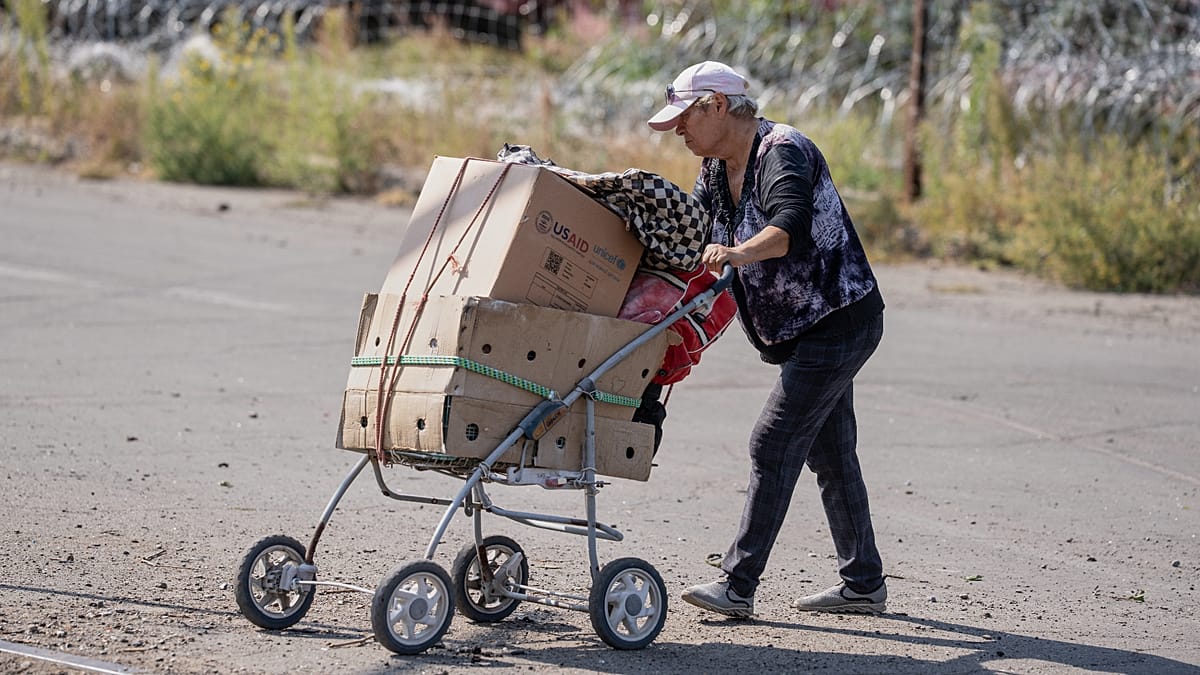
For European readers, the conflict's ripple effects are tangible. The war has already displaced thousands in southern Lebanon, with mass evacuations from Tyre earlier this month. European nations, including France and Italy, contribute troops to UNIFIL and have diplomatic interests in stabilizing the region. Any escalation could further strain EU foreign policy and humanitarian resources.
As the US-Iran deal moves toward signing, the question of whether Israel will halt its operations in Lebanon remains unanswered. Hezbollah's next move, and the clarity of the agreement's terms, will determine whether this fragile peace holds or unravels.