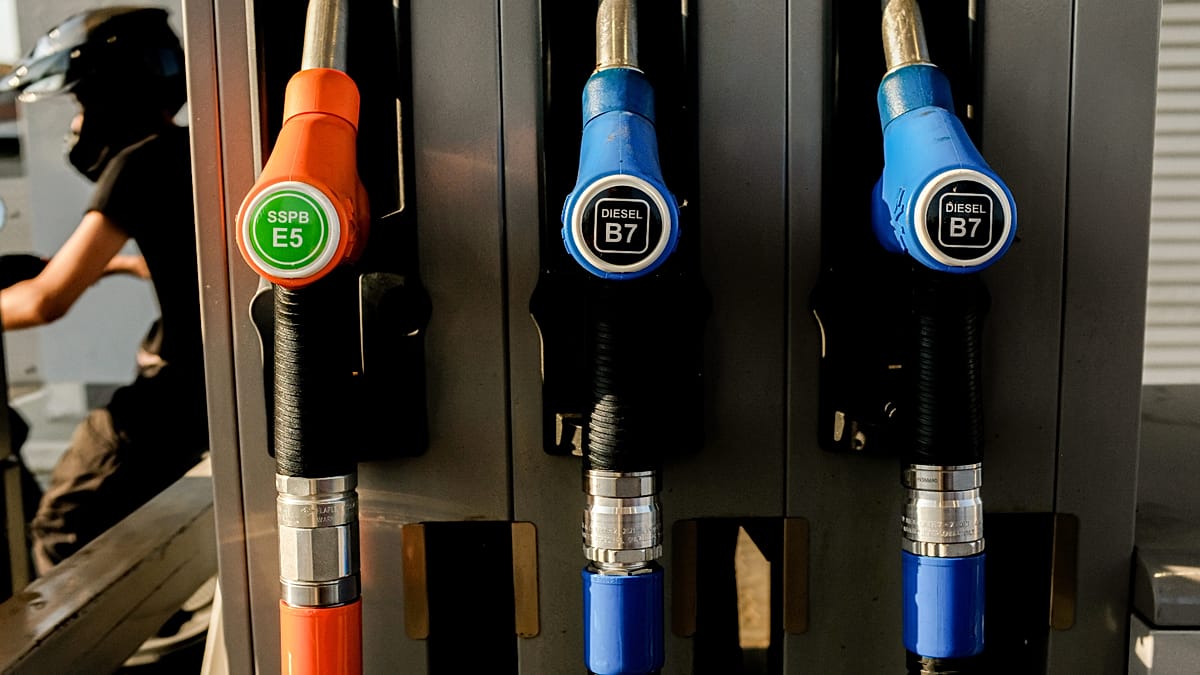
From Tuesday morning, Italian motorists face a sharp increase at the pump as the latest round of fuel tax relief expired at midnight. The discount, which had been in place since March, was not renewed, and diesel prices have risen by €0.61 per litre. The much-anticipated 'mobile excise' mechanism, designed to automatically adjust taxes based on crude oil prices, remains stalled because the joint decree from the Ministry for the Environment and Energy Security and the Ministry of Economy and Finance was not published in the Official Gazette in time.
This marks the first time since the original tax cut was introduced that no fuel subsidy is in effect. The initial discount, worth €0.122 per litre, was already halved on 26 September, and now the full excise rate applies again. The government had signalled its intention to phase out across-the-board cuts, which disproportionately benefit higher-income drivers who consume more fuel, in favour of targeted support for low-income households and the transport sector. However, no political agreement has been reached on those measures, leaving the most vulnerable without immediate relief.
Hauliers threaten to bring the country to a standstill
The end of the subsidies has triggered alarm in the logistics industry. Assotir, a leading road haulage association, has issued a 'cry for help', describing the situation as dramatic. President Anna Vita Manigrasso warned: 'Road haulage is going through a dramatic time and if it does not come to a halt in protest, it will stop because of the cost of diesel.'
Secretary-General Claudio Donati did not rule out a sector-wide strike, calling it a 'last-resort weapon' that would bring Italy to a standstill. 'We would like to avoid it, but in the absence of answers the government will have to reckon with us,' he said. The threat echoes similar labour actions across Europe, such as the recent strikes in Portugal that disrupted public services and travel.
Government summons oil companies, private caps emerge
In response, the government has called a meeting with major refining operators, including Eni, IP, Q8, Saras and Isab, at Palazzo Piacentini on Thursday. Ministers Adolfo Urso and Gilberto Pichetto will discuss ways to increase domestic production to mitigate the impact of international price pressures. Meanwhile, some private companies have taken unilateral action. Eni introduced a 30-day price cap on 28 September, setting diesel at €2.19 per litre and petrol at €1.99 across its Enilive network. IP and Q8 have launched similar initiatives, covering more than 11,000 service stations—over half of the national network.
Prime Minister Giorgia Meloni expressed satisfaction with these voluntary measures, thanking 'all those who are making an effort at a difficult time'. However, the broader picture remains uncertain. Brussels has warned of a 'difficult winter' ahead, with energy costs prompting the European Union to consider postponing methane leak regulations on energy imports until 2028. The situation is further complicated by global supply concerns, as highlighted by the G7's decision to release 100 million barrels of oil to ease the diesel crunch—a move that may offer some relief but not immediate price stability.
For Italian hauliers, the stakes are high. The sector is already squeezed by rising input costs, a trend seen across the EU, as farmers and other industries face similar pressures. Without government intervention, the threat of a strike could become a reality, paralysing supply chains and adding to the economic strain. The government's next moves will be closely watched, both in Rome and in Brussels, as Europe braces for a testing winter.