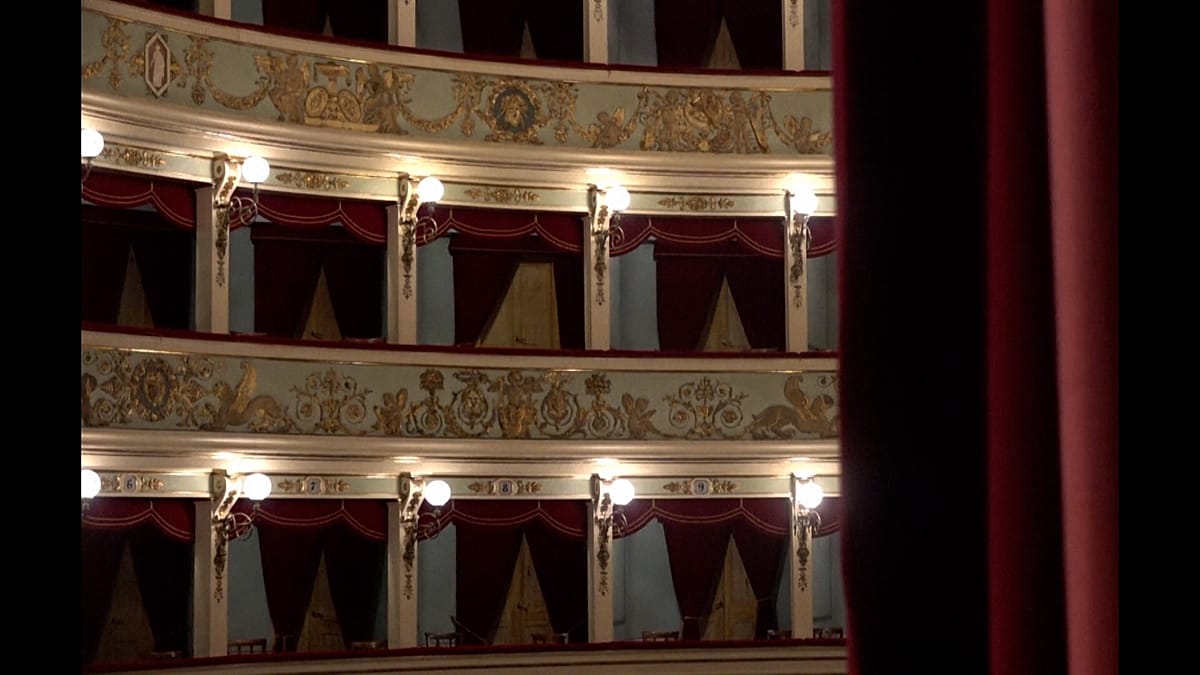
Italy is making a bold bid to secure UNESCO World Heritage status for a unique and often overlooked aspect of its cultural heritage: the historic condominium-style theatres that dot the peninsula. Eighteen of these remarkable venues, built within residential buildings and serving as communal cultural hubs, have been nominated for recognition by the United Nations Educational, Scientific and Cultural Organization.
These theatres, known in Italian as teatri all'italiana or more colloquially as condominium theatres, emerged between the 17th and 19th centuries. Unlike the grand, freestanding opera houses of Milan's Teatro alla Scala or Venice's La Fenice, these were integrated into apartment blocks, with the stage and auditorium occupying the ground floor while families lived above. This architectural model allowed for a democratisation of theatre, bringing performances directly into neighbourhoods and making them accessible to a broader public.
A Network of Cultural Gems
The nomination encompasses theatres from across Italy, including cities such as Bologna, Ferrara, Modena, and Parma in Emilia-Romagna, as well as venues in Tuscany, Lombardy, and the Veneto. Each theatre has its own distinct character, reflecting local architectural styles and social histories. For instance, the Teatro Comunale di Bologna, though larger, shares roots in this tradition, while smaller venues like the Teatro Sociale di Castiglion Fiorentino in Tuscany offer intimate settings that once hosted everything from opera to community meetings.
These theatres were often funded by local nobles or cooperatives, and their construction was a point of civic pride. They served not only as entertainment venues but also as spaces for political gatherings, celebrations, and even religious events. The UNESCO bid aims to preserve this network, recognising that these theatres are not isolated monuments but part of a living cultural landscape.
The push for UNESCO recognition comes at a time when Italy is already home to the most World Heritage sites of any country, with 59 properties inscribed. The country has been actively pursuing new nominations, including the recent bid for the Mount Olympus site in Greece, though that is a separate effort. Italy's cultural ministry has argued that these theatres represent a uniquely Italian contribution to European theatre architecture, one that influenced similar developments in other parts of the continent.
However, the path to UNESCO status is not straightforward. The nomination must first be evaluated by the Italian National Commission for UNESCO, then submitted to the World Heritage Committee for consideration. The process can take years, and competition is fierce. Other European sites, such as the Normandy D-Day beaches, are also vying for recognition, highlighting the growing interest in preserving sites of historical and cultural significance.
Supporters of the bid argue that these theatres are more than just architectural curiosities. They are living venues that continue to host performances, from classical concerts to contemporary plays, keeping traditions alive. Many have undergone restoration in recent decades, often with support from the European Union's structural funds, which have helped preserve their intricate frescoes, gilded balconies, and wooden stages.
Critics, however, question whether UNESCO recognition is necessary for sites that are already well-maintained and popular. Some argue that the focus should be on less-known cultural assets that face greater threats, such as those in rural areas or smaller towns. But proponents counter that the UNESCO label would bring international attention and funding, ensuring these theatres survive for future generations.
The Italian government has also faced scrutiny over its handling of cultural heritage, particularly after recent controversies involving labour practices in the luxury goods sector, as seen in the police raids on brands like Bulgari and Chanel. Yet, the theatre nomination is seen as a positive step, showcasing Italy's commitment to preserving its diverse cultural legacy.
If successful, the condominium theatres would join other Italian sites on the UNESCO list, including the historic centres of Florence, Rome, and Venice. The decision is expected within the next two years, and cultural officials are optimistic. As one curator from the Teatro Comunale di Bologna put it, "These theatres are the soul of our communities. They tell the story of how Italians lived, worked, and celebrated together. UNESCO recognition would be a fitting tribute to that spirit."
For now, the theatres continue to operate, hosting everything from opera festivals to film screenings. Their fate rests with UNESCO, but their place in Italian culture is already secure. Whether or not they gain the coveted status, they remain a testament to the ingenuity and passion of a nation that has long placed culture at the heart of its identity.