Karabakh's reconstruction is entering a new phase, shifting from basic rebuilding to a broader economic transformation. While the immediate priority after the conflict was restoring homes and infrastructure, the focus is now on creating a sustainable economic base that can support the region for decades. New industrial and logistics zones are being developed near Agdam and Jabrayil, designed to attract businesses and investors with a package of tax incentives and modern facilities.
The initiative is part of a wider strategy to integrate Karabakh into Azerbaijan's economy and to encourage private-sector activity in areas that were largely depopulated during the war. The special representative of Azerbaijan's president in the Shusha district said the goal is to build a region that is not just rebuilt but built for long-term development. Speaking to local media, he stressed that the authorities are looking beyond immediate reconstruction to create an environment where companies can thrive and where local employment can grow.
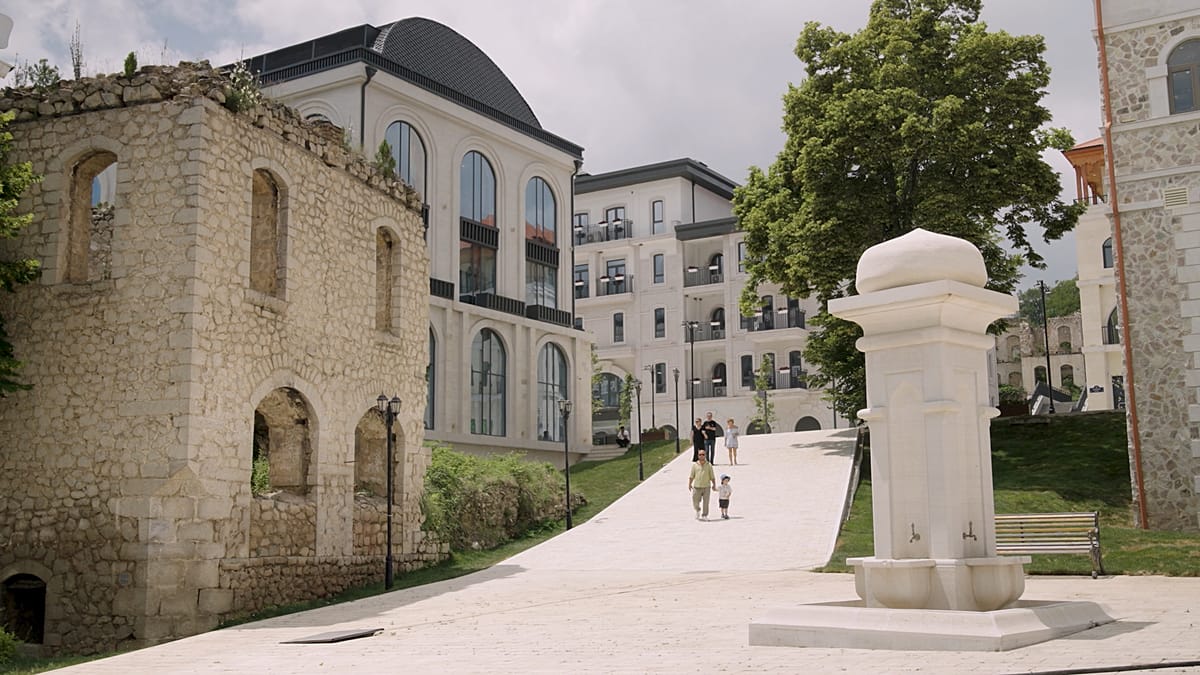
One of the most symbolic projects is the restoration of Shusha, a city of great cultural and historical significance. The chief architect of the Shusha City Reserve, who is involved in the rebuilding effort, described the challenge of starting “almost from zero.” The city, which was heavily damaged during the conflict, is being reconstructed with a mix of traditional architectural styles and modern building techniques. The aim is to preserve its heritage while making it a viable place to live and work.
From rubble to industrial hubs
The new economic zones are central to the region's future. Agdam, once a ghost town, is now the site of an industrial park that is expected to host manufacturing and processing facilities. Jabrayil, similarly, is being developed as a logistics hub, taking advantage of its location near transport corridors that connect Azerbaijan with neighbouring countries. These zones are being built with an eye on efficiency, with utilities, roads, and digital infrastructure laid out from the start.
Tax breaks are a key part of the appeal. Companies that set up in these zones can benefit from exemptions on property and profit taxes for a set period, as well as reduced customs duties on imported equipment. The authorities hope this will lure both domestic and foreign investors, particularly in sectors like agro-processing, construction materials, and light manufacturing. The response so far has been cautious but positive, with several firms already committing to projects.
The reconstruction effort is also notable for its use of technology. Green energy is a priority, with solar and wind projects planned to power the new developments. Digital planning tools are being used to design the zones, and drone surveys and advanced mapping are helping to assess damage and plan rebuilding. This forward-looking approach is intended to make Karabakh a model for post-conflict reconstruction in the region.
However, challenges remain. The scale of the task is enormous, and the region's infrastructure was largely destroyed. The architect's comment about starting from zero reflects the reality that many areas are being built anew, rather than repaired. There is also the question of population return. While some former residents have come back, the numbers are still far below pre-war levels. Attracting people to stay will depend on creating jobs and services, which is why the economic zones are so important.
The broader geopolitical context also matters. Karabakh's reconstruction is taking place against a backdrop of regional tensions, and the security situation remains fragile. The recent Russian strikes on Kyiv and other incidents in the wider region serve as reminders of the volatility. Yet, for now, the focus in Karabakh is on building a peaceful and prosperous future.
For European investors and companies, the reconstruction offers opportunities, particularly in construction, energy, and technology. The European Union has expressed interest in supporting the region's development, and there are potential synergies with EU-funded projects in the South Caucasus. As the region moves from reconstruction to economic development, it could become a new hub for trade and industry, linking Europe with Central Asia and beyond.
The success of this effort will depend on sustained investment and political stability. But the early signs are encouraging. The combination of tax incentives, modern infrastructure, and a strategic location makes Karabakh an attractive proposition for businesses looking to expand in the region. With careful planning and continued commitment, the region could emerge as a model of post-conflict economic revival.