Russia should feel real consequences for its campaign of hybrid attacks against European states, the European Union's defence commissioner has warned, as he pushed back against growing calls for renewed diplomacy with the Kremlin.
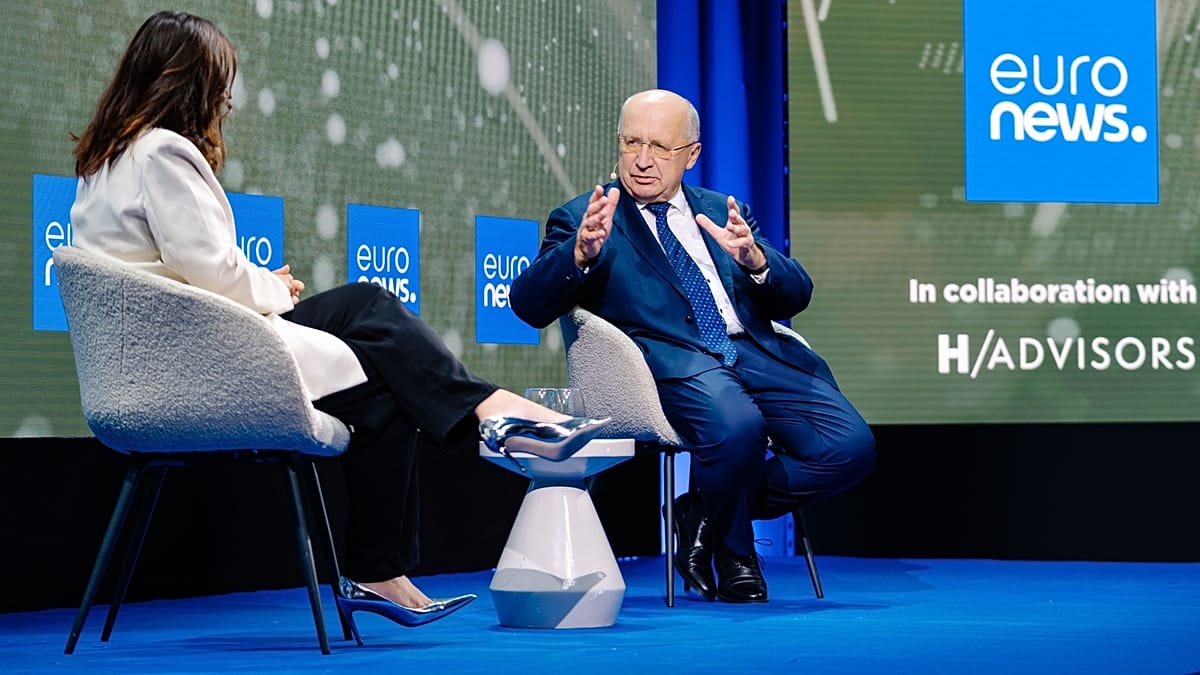
Andrius Kubilius, the former Lithuanian prime minister who now holds the EU's defence portfolio, told Euronews that Moscow's tactics are designed to occupy "the hearts and the minds" of Europe's population, and that the bloc's response must be equally forceful.
"If we are hit by Russian hybrid attacks, our answers should be as painful as that attack," Kubilius said in an interview at Euronews' Defence and Space summit in Brussels. "How can that pain be created? It's up to us."
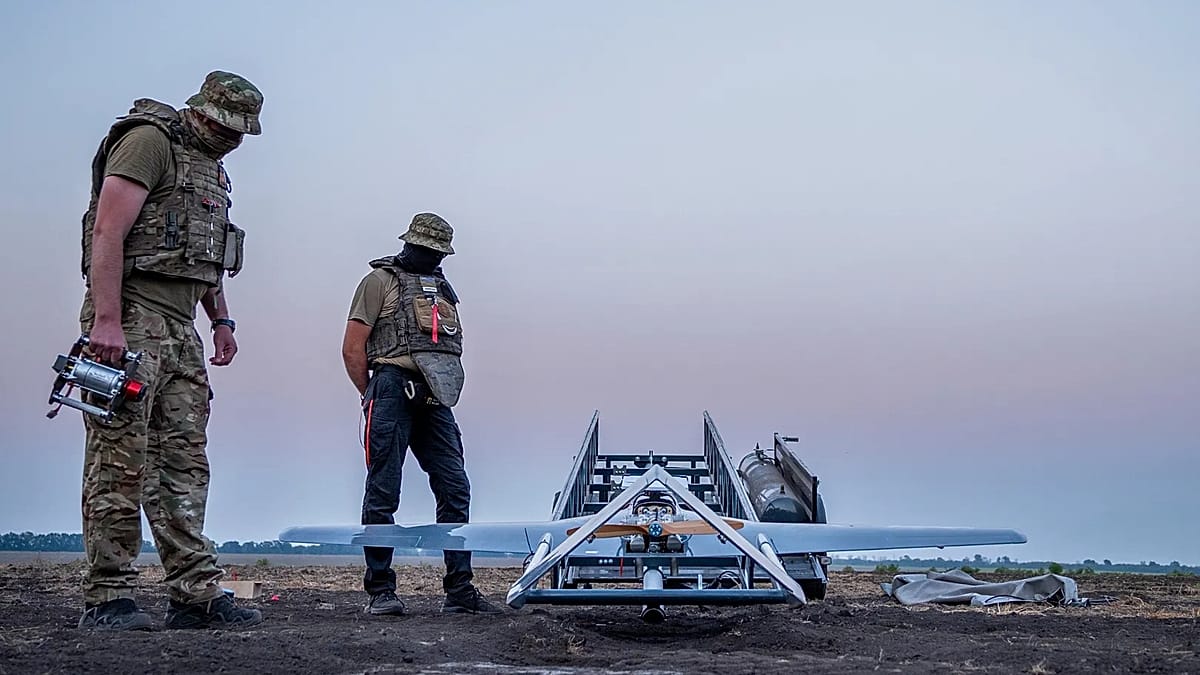
His remarks come amid a fresh wave of incidents attributed to Russian operatives. Earlier this week, Estonian authorities accused Moscow of orchestrating an arson attack on a drone manufacturer that supplies Ukraine. Germany has also linked an attempted drone strike on Ukrainian cargo planes at Leipzig/Halle airport to Russian actors.
Kubilius argued that Europe needs a comprehensive strategy to counter these threats. "If we are facing hybrid war against us, we need to have hybrid defence," he said, calling for sharper tools and greater coordination among member states.
Diplomacy under scrutiny
The commissioner's comments directly challenge those who argue that Europe should open a diplomatic channel with Moscow to end the war in Ukraine. Bulgarian President Rumen Radev, speaking at the same summit, urged the EU to engage Russia diplomatically, warning of the risk of nuclear escalation.
"There is a limit to just delivering weapons and supporting, because the final peace set-up will be done by diplomacy, not by delivering weapons," Radev said. "So our call is to listen more to each other, to open the lines of communication."
Kubilius dismissed that approach, saying Russian diplomacy has a single objective: Ukrainian surrender. "Russians are standing with their position very clear: Ukraine needs to surrender - that is their diplomacy position," he said.
He insisted that Putin must be convinced that the war will not deliver any gains. "Putin needs to understand that in the end he won't achieve anything with this war," Kubilius said, adding that "Putin needs to feel that war is coming to Russia itself."
Opening a diplomatic track now, he warned, could embolden the Russian president to escalate further and put European security at even greater risk.
The debate over how to respond to Russian aggression is intensifying across the continent. While some leaders, particularly in Central and Eastern Europe, advocate a harder line, others are increasingly vocal about the need for dialogue. The European Union has so far maintained its support for Ukraine, but questions about long-term funding and strategy remain.
Kubilius's call for a more painful response echoes the sentiment of Brussels summit discussions on hybrid threats, where officials have stressed the need for resilience and deterrence. The EU has also been urged to seize frozen Russian assets to close a looming funding gap for Ukraine.
As winter approaches and Russian strikes continue to target Ukrainian infrastructure, the pressure on European leaders to find a coherent response is mounting. For Kubilius, the answer is clear: Europe must be prepared to make Moscow pay a price for its aggression, both on the battlefield and in the hybrid domain.