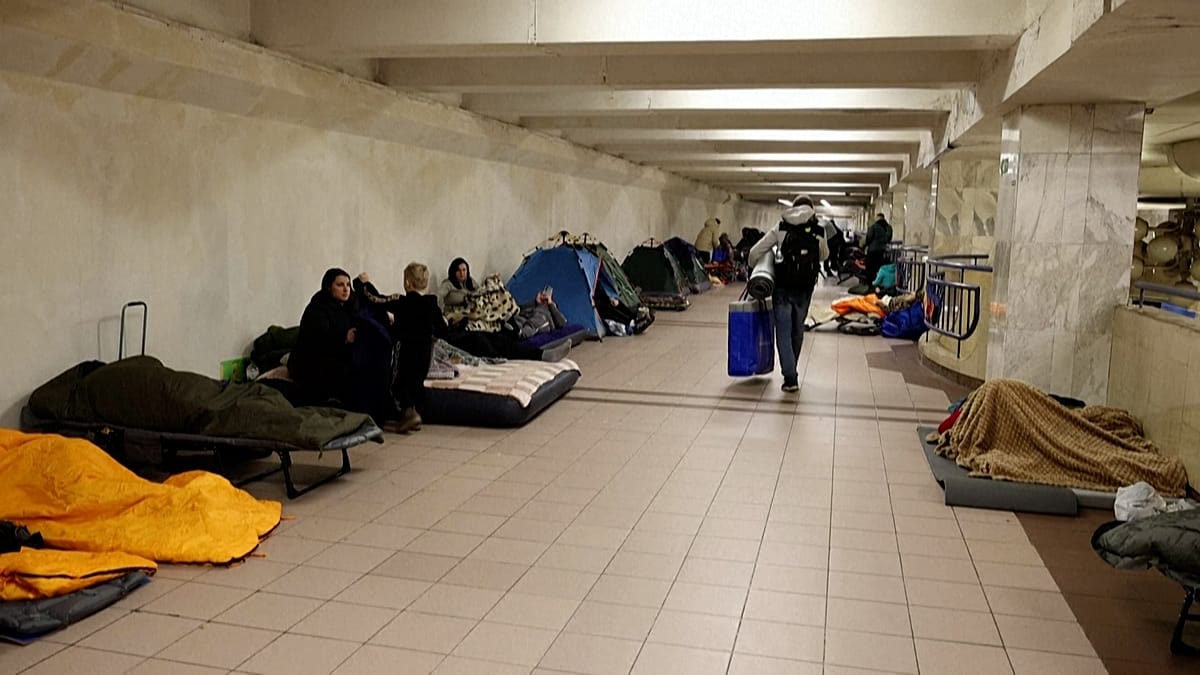
As night fell over Kyiv on Thursday, thousands of residents once again descended into the city's metro stations, turning platforms and corridors into makeshift dormitories. The cause: a fresh wave of Russian air raids that targeted the Ukrainian capital, killing at least one person, wounding five others, and damaging the premises of two foreign embassies.
The attacks, which began late on 19 November 2026 and continued into the early hours, triggered repeated air raid alerts across the city. For many Kyivans, the underground network has become a familiar refuge—a grim symbol of a war that has now entered its fourth year. The stations, normally bustling with commuters, were transformed into shelters where families laid out blankets and children tried to sleep to the distant thud of explosions.
A city on edge
Kyiv has endured sporadic Russian missile and drone strikes throughout the conflict, but the frequency has intensified in recent weeks. The overnight attack damaged two embassy buildings, though no diplomats were reported among the casualties. Ukrainian authorities did not specify which countries' missions were affected, but the incident is likely to draw sharp diplomatic reactions from European capitals.
The human cost was immediate: one civilian killed, five injured. Emergency services worked through the night to clear debris and assist the wounded. Local officials urged residents to heed air raid warnings and remain in shelters until the all-clear was given.
This latest assault comes amid a volatile geopolitical backdrop. European leaders have been wrestling with how to sustain support for Ukraine, with debates over a €45bn EU loan and the future of NATO's stance on Kyiv. French President Emmanuel Macron has recently urged NATO to revisit the question of Ukraine's membership, a move that has stirred both hope and unease among allies.
Meanwhile, the United States has signaled a desire to wind down the conflict, with former President Donald Trump reportedly pressing for a negotiated end before a major summit. But for Kyiv's residents, such diplomatic maneuvers feel distant when the sirens wail and the ground shakes.
Europe's response under scrutiny
The overnight strikes also underscore the broader stakes for Europe. Poland has insisted that no peace deal can be reached without Europe's involvement, a sentiment echoed by many EU officials who fear being sidelined in any US-Russia negotiations. The damage to embassies in Kyiv adds a new layer of urgency to these discussions, as it directly affects the diplomatic presence of foreign nations in Ukraine.
For Ukrainians, the metro shelter is more than a physical refuge; it is a daily reminder of the resilience required to survive. As one resident told local media, "We have learned to live with this. But every night we hope it will be the last."
The attacks come just days after Ukraine reportedly struck the Crimea bridge again, halting rail traffic for the third time this week—a sign that the war continues to escalate on multiple fronts. The cycle of retaliation and counter-retaliation shows no sign of abating, leaving civilians in cities like Kyiv to bear the brunt.
As dawn broke on Friday, residents emerged from the underground to assess the damage. The metro system, which has kept running for essential workers throughout the war, resumed its normal function. But the memory of another night spent underground lingers, a stark illustration of the cost of this conflict for Europe's eastern frontier.