A Latvian member of the European Parliament has accused US President Donald Trump of pursuing dubious business motives in his decision to lift restrictions on Russian diesel, warning that the move undermines the transatlantic front against Moscow.
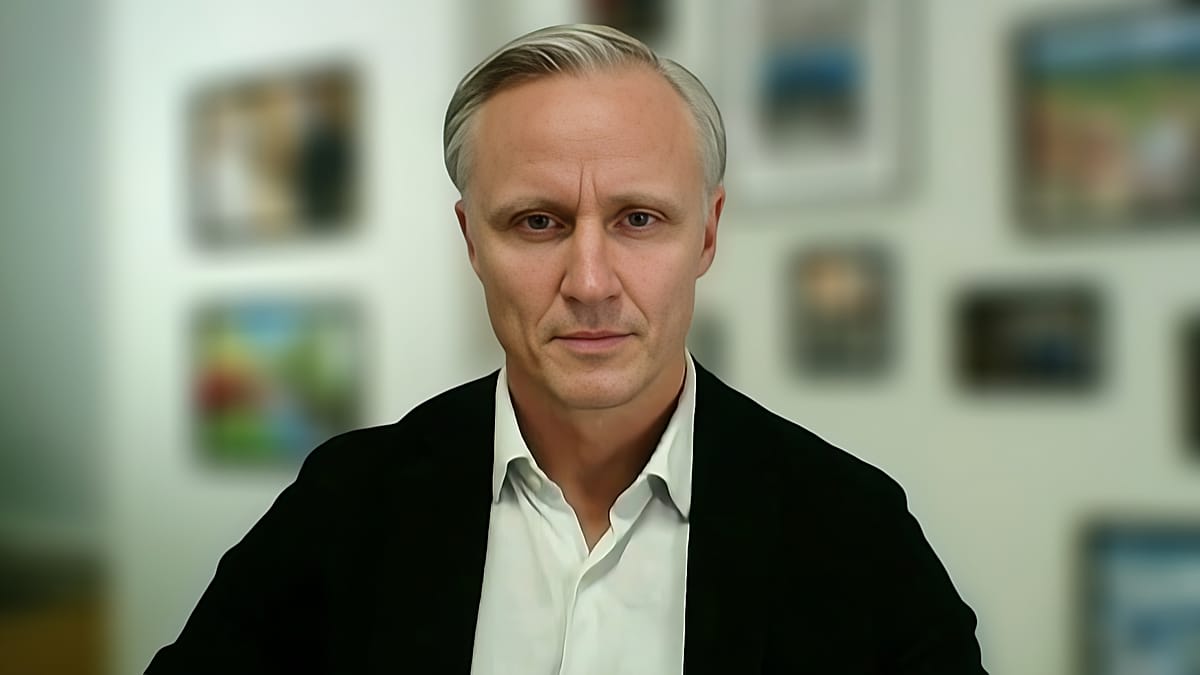
Rihard Kols made the remarks during an appearance on Euronews' Special Report, describing the deal as a very bad signal at a moment when Europe is still working to disentangle its energy supply from Russian hydrocarbons.
A split among allies
The decision has exposed fault lines within the European Union. Bulgaria's prime minister has publicly backed the arrangement, breaking with the bloc's prevailing consensus, while other capitals have reacted with alarm. EU foreign policy chief Kaja Kallas has argued that the move hands Putin a strategic win, and Italian Prime Minister Giorgia Meloni has called it very risky and a legitimisation of Moscow.
Kols' intervention adds a Baltic perspective to the debate. Latvia, along with Estonia and Lithuania, has been among the most hawkish voices in the EU on Russia since the full-scale invasion of Ukraine in February 2022. For politicians from the region, any easing of restrictions on Russian energy exports is viewed not merely as an economic question but as a security one.
Energy markets under pressure
The timing is delicate. European diesel prices remain vulnerable to global supply crunches, and the International Energy Agency has warned that prices may climb further if the market tightens. That backdrop gives the Trump administration an economic argument for allowing Russian diesel back into global flows, even as European officials question the strategic cost.
Kols' criticism echoes concerns raised in Brussels that Washington is prioritising short-term commercial interests over the collective pressure campaign that Western allies have maintained since 2022. The European Commission has not yet issued a formal response to the Latvian MEP's remarks.
Wider consequences
The controversy unfolds against a backdrop of continued Russian aggression in Ukraine. Overnight strikes on Kyiv killed one person and wounded 20, while a separate missile attack damaged a power plant in the capital without prior warning from allied intelligence, according to President Volodymyr Zelensky. Those events reinforce the argument made by Kols and others that any relaxation of energy restrictions risks undercutting the pressure on the Kremlin.
For now, the deal remains a point of friction between Washington and much of Europe. Whether it becomes a lasting rupture or a passing dispute may depend on how the Trump administration frames its broader Russia policy in the coming weeks.