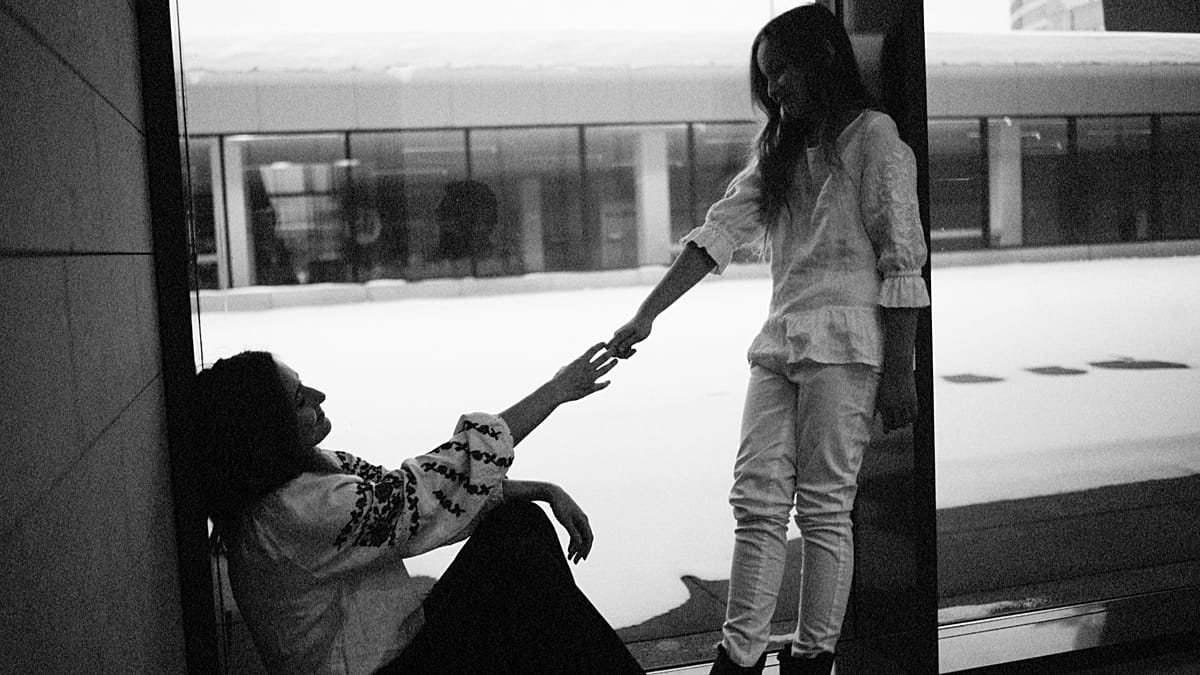
A new photography exhibition in Baku, titled Not All of Them. Portraits of Refugees, brings together Lithuania, Ukraine, and Azerbaijan through a series of black-and-white portraits documenting the experiences of Ukrainian refugees who have found temporary shelter in Lithuania. The project, inaugurated by Lithuania's Prime Minister Inga Ruginienė, aims to merge cultural diplomacy with personal storytelling to underscore the human toll of Russia's war in Ukraine.
Lithuanian Leadership Emphasizes Solidarity
Speaking at the opening, Ruginienė drew parallels between Lithuania's reception of Ukrainian refugees and broader regional solidarity. She noted that Lithuanian society deeply understands the urgency of assisting those fleeing conflict, as many Ukrainians now live in the country, shaping public awareness. "We had a lot of Ukrainians, who are living now in Lithuania and again here I can see the similarities between Azerbaijan and Lithuania," she said, highlighting how both nations recognize the importance of helping people in a "very dangerous and very sensitive atmosphere, who are surviving, who are doing their best to keep the families, to keep the houses." Ruginienė stressed that Lithuania's support is a long-term commitment, essential in today's geopolitical environment.
The exhibition, hosted at Khazar University, features works by Lithuanian photographers Antanas Sutkus, Artūras Morozovas, and Tadas Kazakevičius. Their multi-generational artistic record captures not only loss and trauma but also dignity and resilience, offering an intimate visual narrative of lives reshaped by war. Lithuania's Ambassador to Azerbaijan, Kęstutis Vaškelevičius, framed the initiative as part of broader efforts to raise awareness of refugee experiences and reinforce international solidarity. "We have to show solidarity for these people, so these things never happen in the future," he added.
Ukraine's Ambassador Yuriy Husyev expressed gratitude for the support from both Lithuania and Azerbaijan, stating: "We very much appreciate the support from republic of Lithuania and republic of Azerbaijan for our displaced persons." He emphasized the role of continued cooperation in strengthening regional understanding, adding: "We will build bridges between South Caucasus and Ukraine."
This exhibition reflects Lithuania's broader use of cultural diplomacy to highlight humanitarian consequences of war while strengthening international dialogue. It also reinforces ongoing people-to-people connections between Lithuania, Ukraine, and Azerbaijan, framed through art, memory, and shared experiences of displacement. For more on the broader context of Ukrainian displacement, see our coverage of Germany, Poland, and Czechia leading the EU in hosting Ukrainian refugees.