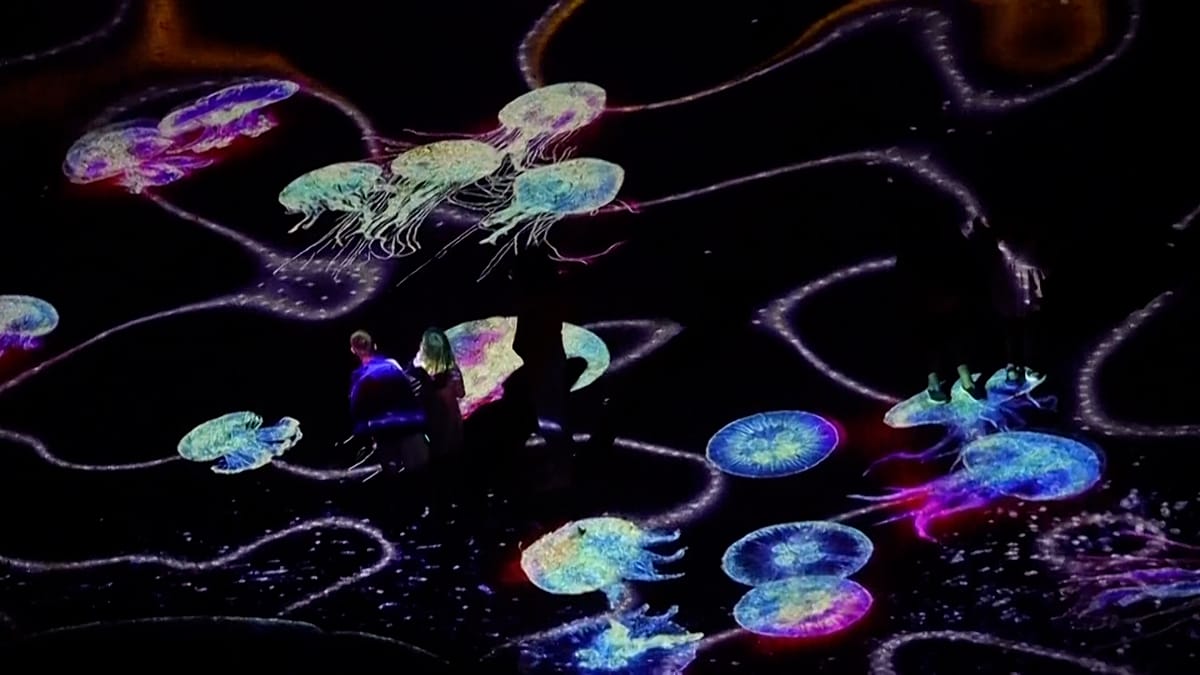
For four nights in early August, the southern Bulgarian Black Sea coast was transformed into a sprawling canvas of light and pixels. The second edition of the LUNAR: Sea of Lights festival, held from 7 to 10 August, brought together 17 light and digital artworks across five seaside communities, from the bustling port of Burgas to the quieter resorts of Sozopol and Primorsko.
The festival, which debuted last year, is part of a broader effort to position Bulgaria's coastal towns as year-round cultural destinations rather than purely summer beach retreats. Organisers said the 2024 edition drew thousands of visitors, including many international tourists who stumbled upon the installations while strolling along promenades and beaches.
Art meets the Black Sea
Each location offered a distinct atmosphere. In Burgas, the central square and sea garden hosted large-scale projections that played on the facades of historic buildings. In Sozopol, an old town known for its wooden houses and cobbled streets, artists used narrow alleys and harbour walls to create intimate, site-specific pieces. Further south, in Tsarevo and Ahtopol, the installations blended with the natural landscape, using the dark sea as a backdrop for glowing sculptures and interactive light fields.
The festival's name, LUNAR, nods to the moon's influence on tides and the nocturnal character of the event. Many works were designed to be experienced after sunset, with some responding to the movement of visitors through sensors and motion detectors. One installation, a field of luminous reeds that swayed and changed colour as people passed, became a favourite on social media.
Local artist Maria Dimitrova, who contributed a piece titled Echoes of the Deep, said the festival offered a rare chance to present digital art outside traditional galleries. "The Black Sea has its own rhythm," she explained. "Working with light here feels different from a white cube in Sofia. The salt air, the sound of waves, the absence of city lights — all of that becomes part of the artwork."
The festival also included a programme of talks and workshops on digital art, attracting students and professionals from across Bulgaria and neighbouring countries. Organisers collaborated with cultural institutions in Bucharest and Istanbul, reflecting a growing regional interest in new media art.
For the host towns, the economic impact was tangible. Hotels and restaurants reported higher occupancy than usual for the first week of August, a period that typically marks the end of the peak season. "We saw families and young people coming specifically for the festival," said a manager at a seaside hotel in Primorsko. "They stayed longer and spent more than the average beach tourist."
The success of LUNAR echoes similar initiatives elsewhere in Europe, where light festivals have become a tool for boosting tourism and revitalising public spaces. Copenhagen's Tivoli Gardens, for instance, recently launched a new district with neon and lantern installations, drawing on the same appeal of immersive, after-dark experiences. Copenhagen's illuminated Hikari district shows how such attractions can extend the tourist season and create a distinctive night-time identity.
Bulgaria's festival also highlights the potential of digital art to engage audiences beyond traditional cultural capitals. While Sofia has a vibrant contemporary art scene, the provinces often lack access to such works. By taking art to the coast, LUNAR democratises the experience and encourages local residents to see their hometowns in a new light.
Organisers have already announced plans for a third edition in 2025, with hopes to expand to more towns and include artists from other Black Sea countries, such as Romania, Turkey, and Ukraine. They are also exploring partnerships with tech companies to incorporate augmented reality elements, allowing visitors to interact with virtual artworks through their smartphones.
As the festival closed on 10 August, the installations were dismantled, but the images and memories lingered. For a few nights, the Bulgarian coast was not just a place of sun and sea, but a stage for imagination — a reminder that even the most familiar landscapes can be reinvented through art and technology.