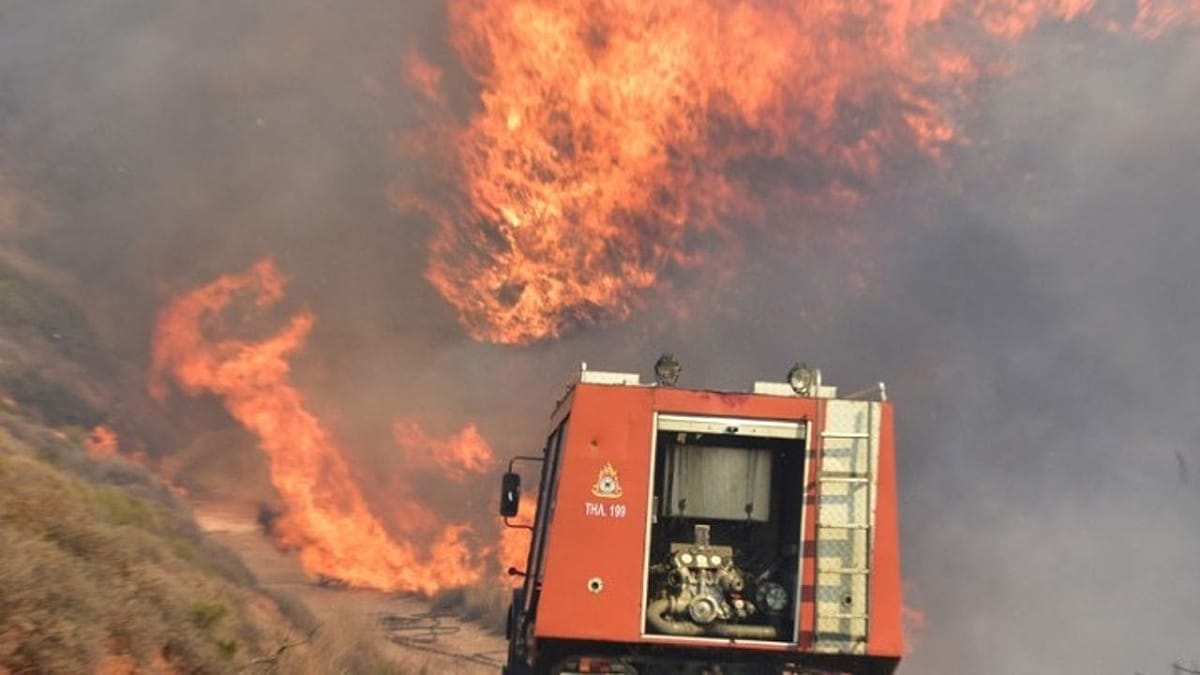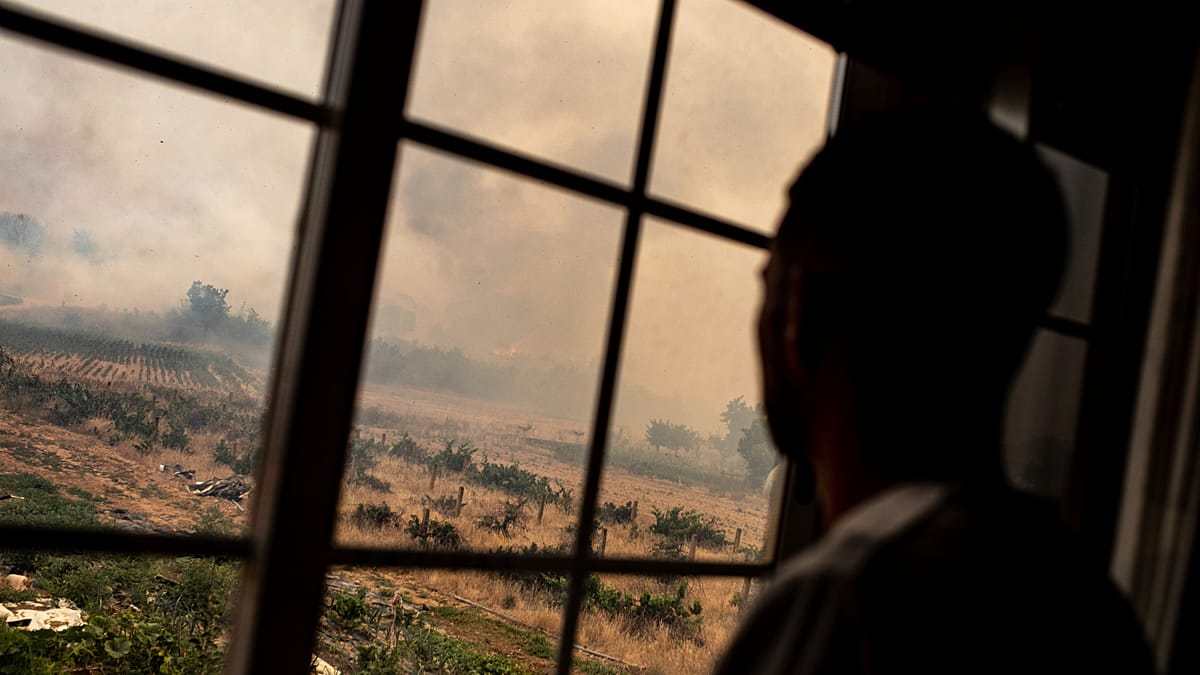
A catastrophic wildfire raging near Madrid and the neighbouring province of Ávila has forced tens of thousands of residents to flee their homes, painting the sky an eerie orange and turning the sun a deep blood-red over affected towns. Authorities have described it as the worst wildfire in the history of the Madrid region, with flames advancing rapidly through dry forests and scrubland.
The blaze, which began on Tuesday afternoon, has already consumed thousands of hectares of land, driven by strong winds and record-high temperatures that have left vegetation tinder-dry. Emergency services have deployed hundreds of firefighters, supported by water-dropping aircraft, but containment efforts have been hampered by the fire's erratic behaviour and the difficult terrain of the Sierra de Guadarrama foothills.
Evacuation orders have been issued for several municipalities, including El Escorial, Villanueva del Pardillo, and parts of Las Rozas, with residents seeking shelter in temporary centres set up in sports halls and schools. The regional government of Madrid has declared a state of emergency, calling for military assistance from Spain's Unidad Militar de Emergencias (UME) to reinforce ground crews.
A region on the front line of a changing climate
This disaster is not an isolated event but part of a broader pattern across southern Europe. As Europe's 2026 wildfire season could break all records, the burned area already equals the size of Luxembourg, and scientists warn that such extreme fires are becoming more frequent and intense due to climate change. The Madrid blaze exemplifies what experts call 'sixth-generation wildfires' — fires that generate their own weather systems, making them unpredictable and exceptionally dangerous.
Spain's Prime Minister Pedro Sánchez has visited the affected zone, pledging full government support for the emergency response and for rebuilding efforts. In a statement, he condemned what he described as 'climate denial' that delays necessary action, echoing his earlier remarks as Sánchez condemns climate denial as Spain battles devastating wildfires. The Spanish government has also announced the creation of a scientific panel to guide climate policy, as reported in Spain creates scientific panel to guide climate policy amid record wildfires.
The European Union has offered assistance through its Civil Protection Mechanism, with France and Italy already pledging firefighting aircraft and personnel. However, critics argue that the EU's wildfire prevention plan has faltered, as EU wildfire prevention plan falters as southern Europe burns, leaving member states to cope with increasingly severe blazes largely on their own.
Local residents describe scenes of panic and desperation. 'The sky turned orange in minutes, and the sun looked like a red ball. We grabbed our documents and our pets and ran,' said María López, a 52-year-old teacher from El Escorial who was evacuated with her family. Many have lost homes and livelihoods, and the full extent of the damage will not be known until the fire is brought under control.
Air quality has deteriorated sharply across the Madrid metropolitan area, with authorities advising residents to wear masks and avoid outdoor activities. Schools in several districts have been closed, and public events cancelled as a precaution. The health impact is expected to be significant, particularly for vulnerable groups such as the elderly and those with respiratory conditions.
As firefighters continue their battle, the question of long-term preparedness looms large. Europe's wildfire crisis is deepening, and the Madrid blaze is a stark reminder that no region is immune. The continent must invest in prevention, early warning systems, and cross-border cooperation if it is to protect its citizens and landscapes from a hotter, drier future.