Spain's government has taken a significant step to embed scientific expertise into its climate response, approving the creation of a new advisory body that will produce independent reports to guide public policy. The Scientific Panel on Action against Climate Change, approved by the Council of Ministers on Tuesday, is designed to provide what the Ministry of Science, Innovation and Universities calls 'independent, rigorous and multidisciplinary analysis' to support decision-making across government departments.
The initiative, jointly led by the Ministry of Science, Innovation and Universities and the Ministry for Ecological Transition and Demographic Challenge, aims to have the expert team operational by autumn. Recruitment will open this summer, with the panel expected to issue reports on scientific evidence, propose response protocols, and outline future scenarios arising from the climate emergency.
Record wildfires underscore urgency
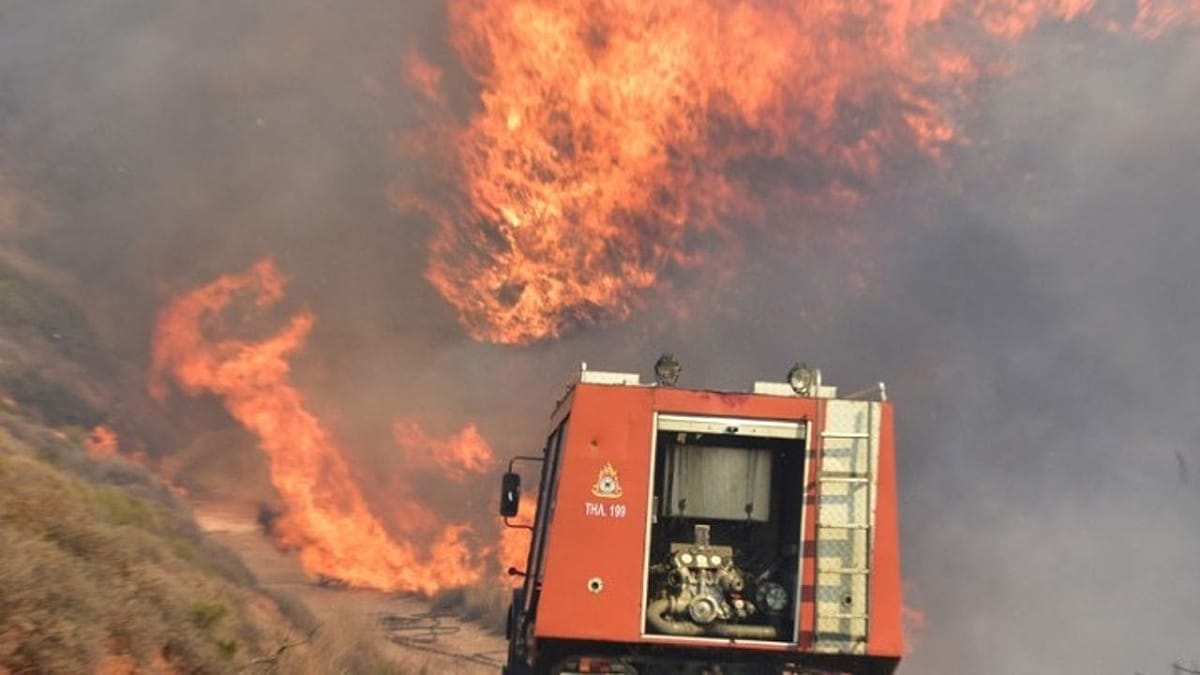
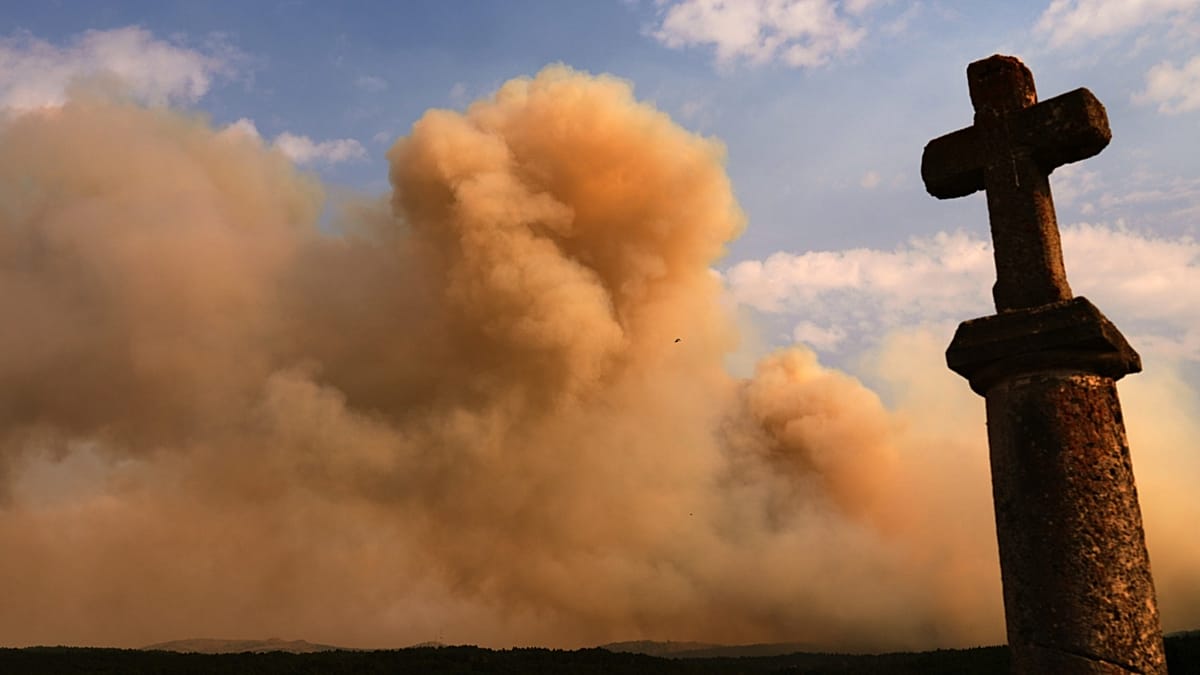
The announcement comes as Spain confronts an unprecedented wildfire crisis. The Ávila forest fire alone has devastated more than 77,000 hectares of forest land, making it the largest ever recorded in the country's history. According to the latest government figures, over 63,000 people have been evacuated, and a further 35,000 remain confined to their homes. The total area affected by wildfires since the beginning of the year now stands at 172,396 hectares — virtually half the total that burned in all of 2025. The cost of firefighting operations alone could reach 3.275 billion euros.
Prime Minister Pedro Sánchez has condemned climate denial as the fires rage, linking the crisis directly to broader climate trends. The scale of destruction has also reignited debate across Europe about how to manage increasingly severe fire seasons, with climate change fueling unprecedented destruction across the continent.
Panel structure and responsibilities
The new panel will operate on two levels. An organisational and technical committee will direct the work, coordinate the selection of experts, and channel requests for reports. A scientific council, composed of ten researchers of 'recognised standing', will produce studies and specialised advice. The council will draw on disciplines including climate science, ecology, geography, water resources, sustainable agriculture, health, the marine environment, engineering for the ecological transition, environmental law, environmental sociology, and behavioural sciences.
Among its key tasks, the panel will draw up response protocols and answer queries to guide public policies both in normal circumstances and during crises and emergencies. It will also carry out foresight exercises to anticipate future scenarios arising from the climate emergency. The creation of the panel delivers on the first pillar of the State Pact on the Climate Emergency, presented by the government in September 2025. According to the government, the proposal was refined through a participatory process that received almost 4,000 contributions from around 1,300 stakeholders.
Broader European context
Spain's move reflects a growing trend across Europe to institutionalise scientific advice on climate policy. The European Commission already relies on the European Scientific Advisory Board on Climate Change, established under the European Climate Law. National initiatives like Spain's panel aim to strengthen the integration of expert knowledge into public decision-making at the member-state level, complementing EU-wide efforts.
Experts have warned that Europe's degraded landscapes amplify climate extremes, making adaptation measures increasingly urgent. The Spanish panel's multidisciplinary approach — combining natural sciences, engineering, social sciences, and law — is intended to address the complexity of the climate crisis, from mitigation to adaptation and resilience.
The panel's creation also signals a political commitment to evidence-based policy at a time when climate denial is gaining traction in some European countries. By embedding scientific advice directly into the policy process, Spain aims to ensure that its response to the climate emergency remains grounded in rigorous analysis, even as political pressures mount.