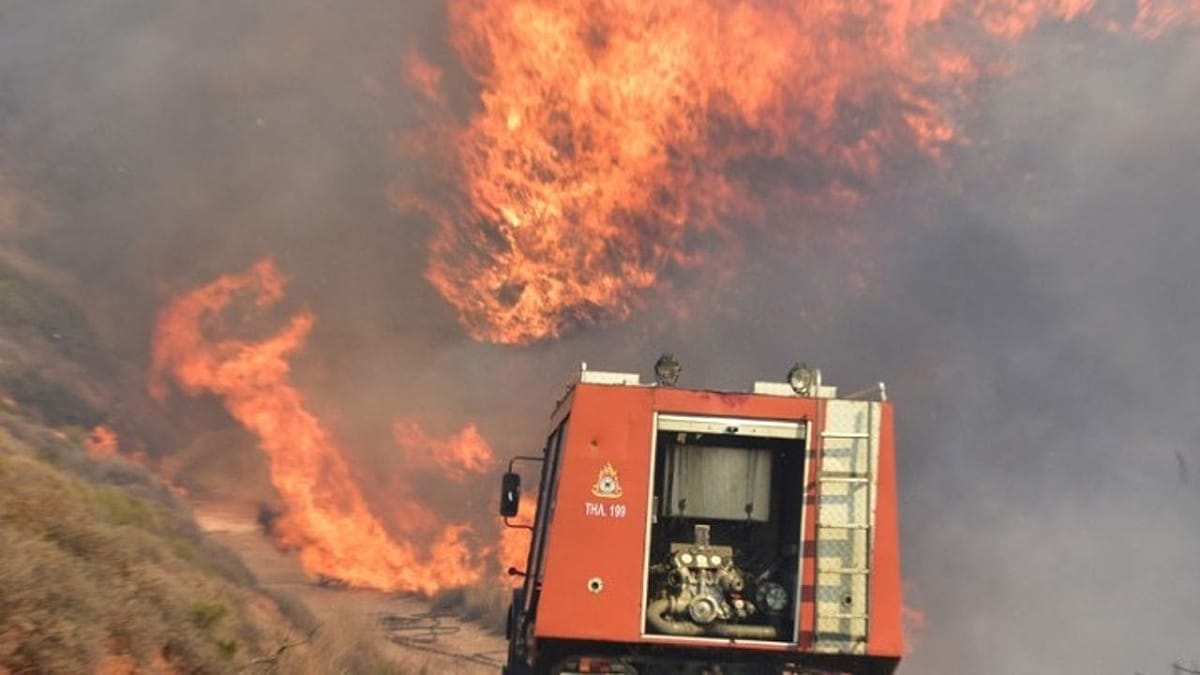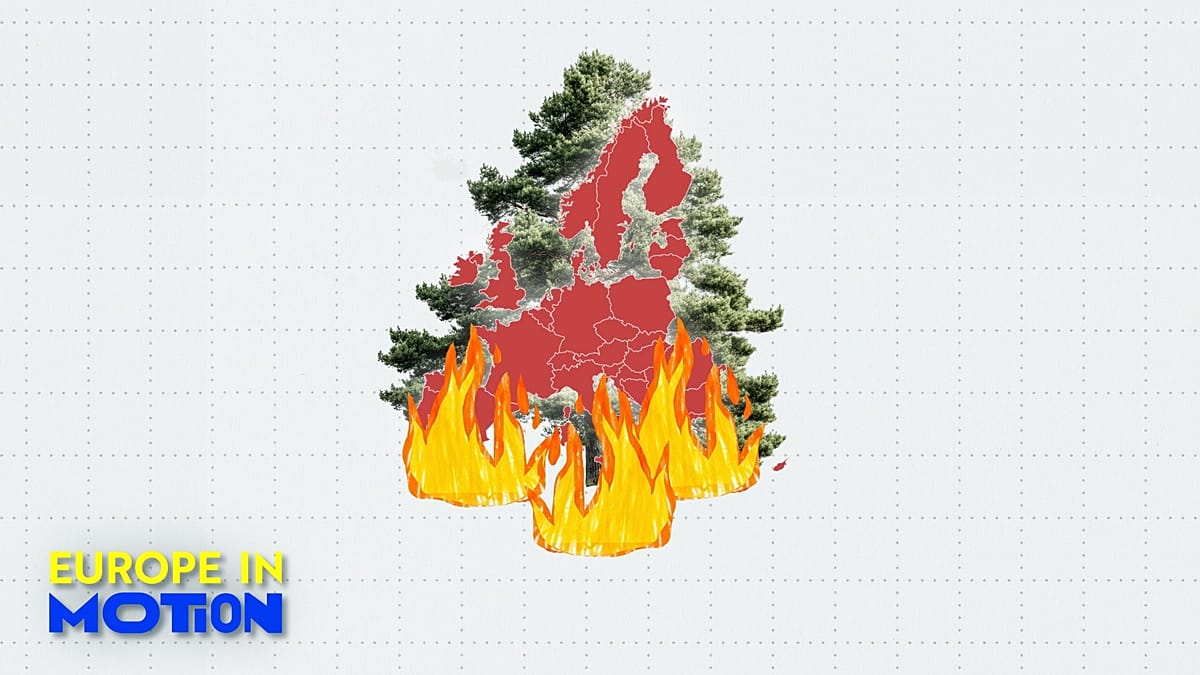
Europe is hurtling towards its worst wildfire season on record, with the area burned so far in 2026 already equivalent to the entire territory of Luxembourg. Data from the European Commission's Forest Fire Information System shows that the bloc has endured roughly 1,200 fires this year — more than double the annual average of 569 — and consumed over 250,000 hectares. With much of the summer still ahead, the total is on course to exceed the 270,000 hectares recorded in 2025.
Spain and Portugal bear the brunt
Spain has suffered the highest proportion of burned land relative to its size among all EU member states. On Sunday, Prime Minister Pedro Sánchez warned that difficult hours lay ahead after more than 90,000 people were forced to evacuate areas around Madrid and Ávila. The government has since mobilised additional firefighting resources, and Sánchez has condemned climate denial as the country battles the blazes.
Neighbouring Portugal is also facing a severe fire season, recording the EU's second-highest proportion of burned land at 0.3%. On Monday, every district in northern and central Portugal, along with the southern district of Faro in the Algarve, was placed under the highest fire risk alert. The Portuguese civil protection agency has warned that conditions remain extremely volatile.
Non-EU countries such as Ukraine and Montenegro have reported even higher rates of burned land relative to their size, underscoring the continent-wide nature of the crisis.
France and the wider impact
France has also been hit hard, with around 260,000 people evacuated. The southwestern department of Gironde has suffered the worst damage, threatening both local communities and key economic sectors. The fires there have raised concerns about the impact on the French defence industry and the regional economy.
The European Union's Copernicus Atmosphere Monitoring Service estimates that the 2026 wildfires have already released more than 8 tonnes of CO₂ into the atmosphere across the bloc — a figure that surpasses the average annual emissions of a single EU citizen (5.55 tonnes).
Weather outlook and long-term risks
Meteorologists expect below-average rainfall to continue this week, with the strongest precipitation deficit stretching from France through the Alps and into the Balkans. This dry spell is likely to exacerbate fire conditions across southern and central Europe.
The scale of the 2026 fires has prompted renewed debate about Europe's preparedness for a hotter, drier future. Experts point to the emergence of so-called sixth-generation wildfires, which are more intense and harder to contain. In response, Spain has created a scientific panel to guide its climate policy, while some regions are exploring unconventional solutions such as using beavers as natural firebreaks.
As the summer heatwave continues to test emergency services across the continent, the question remains whether Europe can adapt quickly enough to a new climate reality. The current trajectory suggests that 2026 may not be an anomaly but a harbinger of what is to come.