As blistering heatwaves and scant rainfall fuel historic wildfires across France and Spain, a surprising ally is emerging from Europe's waterways: the beaver. Once hunted nearly to extinction for its fur and meat, this semiaquatic rodent is now being recognized for its ability to create natural fire breaks and help landscapes recover after blazes.
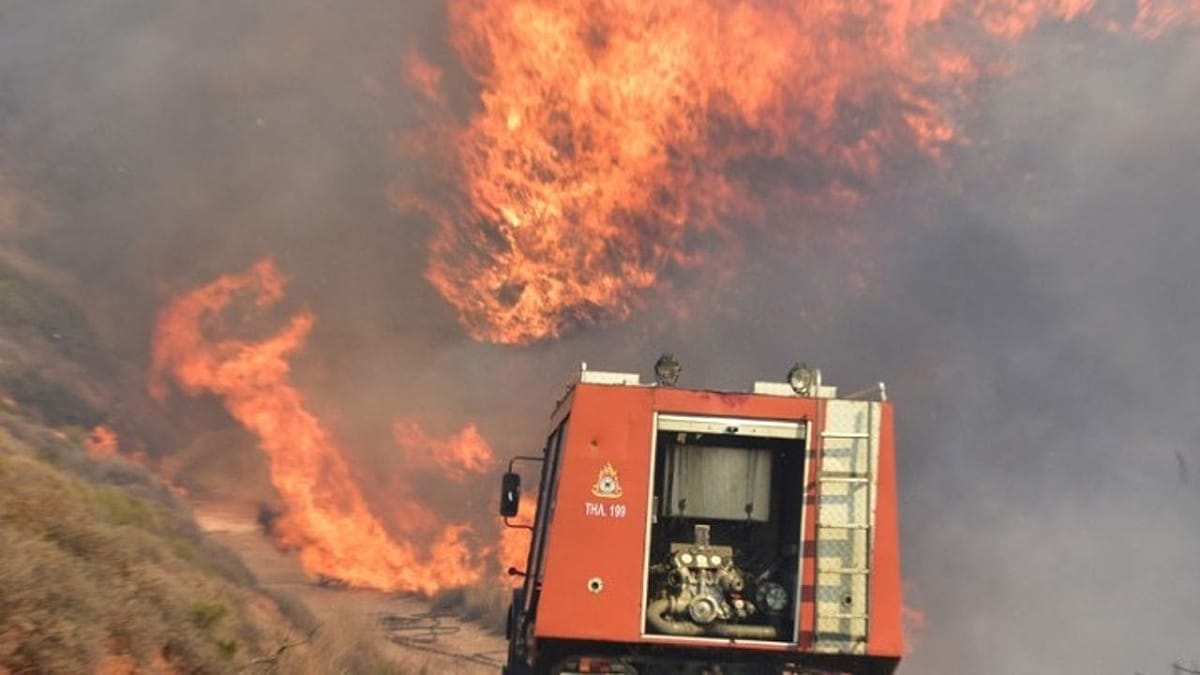
In recent weeks, wildfires have forced hundreds of thousands of evacuations in southwestern France and Spain, with the European Commission activating its emergency response system. The blazes have scorched more than 80,000 hectares in Spain and 42,000 hectares in France, and a wildfire in the Gironde region grew so powerful that its smoke column generated its own thunderstorm, producing lightning that ignited new fires. Europe's firefighting capacity is struggling to keep pace with the increasing intensity of these fires, driven by climate change.
How beavers create fire-resistant landscapes
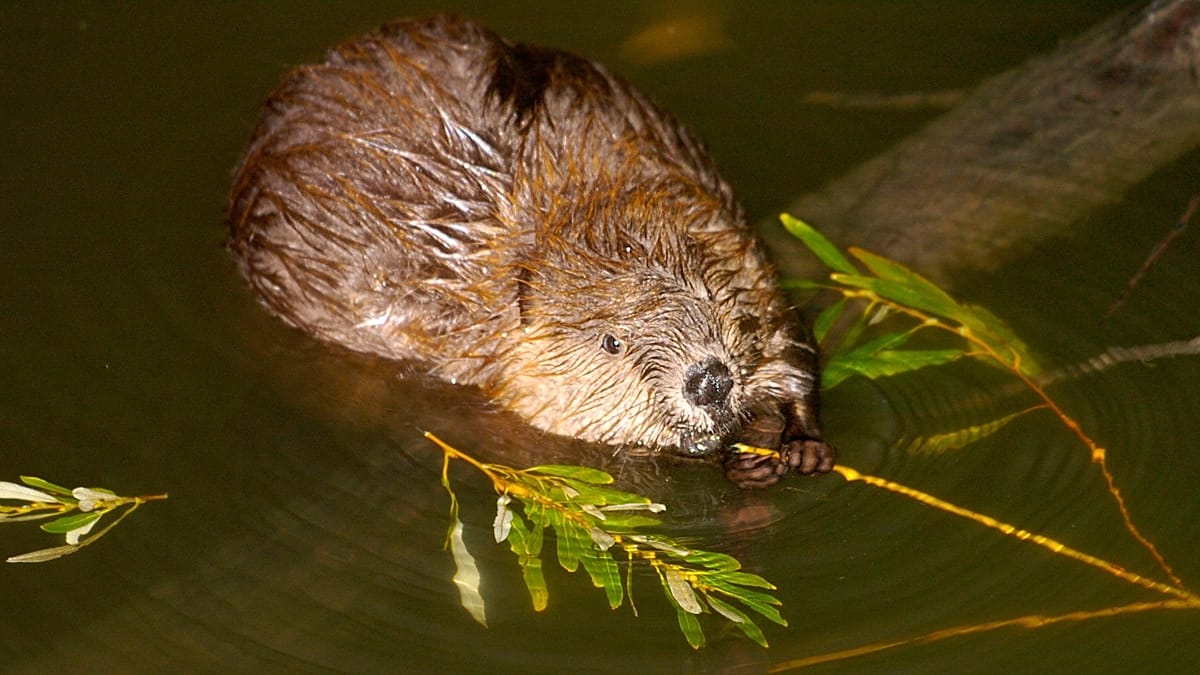
Beavers build dams, dig channels, and transform small streams into broad wetland areas. This activity keeps plants lush and green even during prolonged droughts. When a wildfire ignites, the green vegetation near beaver ponds is much harder to burn than dried-out areas. Fires tend to take the path of least resistance, burning through dry vegetation away from beaver ponds instead of trying to smolder through wet zones. This creates safe refuges for animals such as frogs, small mammals, and fish that might otherwise be unable to escape a blaze.
A 2020 study, aptly named Smokey the Beaver, analyzed vegetation data from five large wildfires across the western United States and found that beaver-dammed corridors were “relatively unaffected” by wildfire compared to regions without beaver presence. On average, plant health in areas without beavers declined about three times more during wildfires than in areas with beavers. A later study published in the National Library of Medicine last year modeled the potential impacts beavers could have in California's Sierra Nevada, a region at high risk of drought and wildfire. Researchers estimated that beaver dams could store 120 million cubic meters of surface water and create 2,200 square kilometers of fire resilience in high-risk areas.
While these studies focus on North America, the principles apply directly to Europe, where beaver populations are recovering after centuries of persecution. In countries like Switzerland, Germany, and the Netherlands, beavers have been reintroduced and are now expanding their range. Europe's degraded landscapes could benefit significantly from beaver activity, as the rodents help restore natural water cycles and create fire-resistant corridors.
Healing burn scars after wildfires
Beyond prevention, beavers can also help repair landscapes after a fire. Wildfires destabilize soils, making them less capable of absorbing rain and snowmelt, which increases flood risks. High volumes of water, combined with a lack of vegetation roots to hold soil in place, lead to more sediment runoff and erosion. Beaver dams slow water flow, trap sediment, and raise water tables, allowing vegetation to regrow more quickly.
Last year, researchers from Colorado State University built artificial beaver dams in burn scars west of Fort Collins to study how wetlands created by dams impact ecosystem restoration and water quality after fires. Lead researcher Tim Fegel described the work as “a brave new world for us.” The findings suggest that even simple structures mimicking beaver dams can significantly accelerate recovery. In Europe, similar approaches are being tested in Portugal and Spain, where post-fire flooding has become a major concern.
Beavers are not a silver bullet for Europe's wildfire crisis, but they offer a low-cost, nature-based solution that complements traditional firefighting. As the continent braces for more extreme heat, policymakers are increasingly looking at scientific panels and ecological restoration to guide climate adaptation. Reintroducing beavers to suitable habitats could be a practical step toward building more resilient landscapes.
In the autumn of 2020, a fire in Colorado's Rocky Mountain National Park—dubbed the East Troublesome—torched almost 200,000 acres and killed two people. Aerial photos after the fire showed vast swathes of forest burnt to ash, but surrounding the devastation remained a green oasis that escaped the blaze, all thanks to beaver activity. That image is a powerful reminder that sometimes the most effective tools for tackling climate-driven disasters are not high-tech machines, but the animals that have been shaping Europe's waterways for millennia.