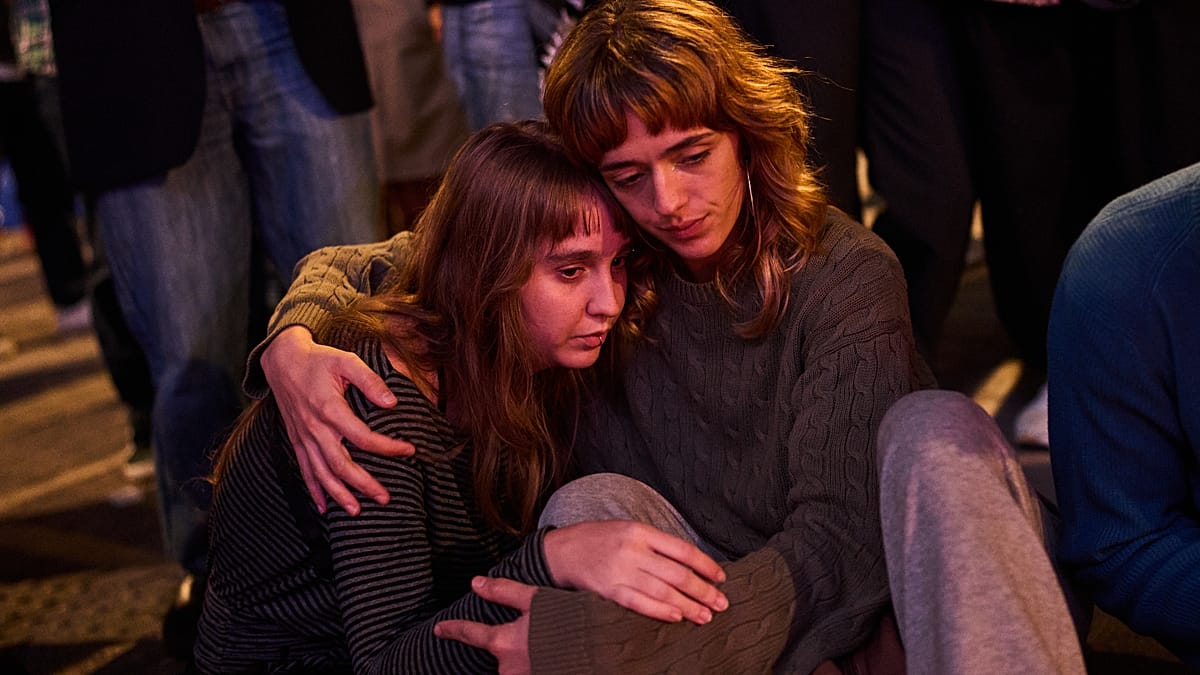
MADRID — A makeshift memorial of flowers, candles and handwritten notes appeared in the Spanish capital on Thursday as protesters gathered to honour María del Carmen Abascal, the 87-year-old woman whose eviction from her long-time home became a rallying point for Spain's housing movement. Known to many simply as Maricarmen, she died in hospital on Wednesday.
Her case drew national attention after she was forced out of the property she had occupied for decades, turning her into an emblem of a crisis that has pushed rents and mortgage costs beyond the reach of many households. For those who assembled in Madrid, her death was not merely a personal tragedy but evidence of what they describe as a system that fails the most vulnerable.
A symbol that hardened resolve
The mood among demonstrators was sombre but defiant. Many said Maricarmen's fate had strengthened their determination to keep demanding affordable housing and legal safeguards against eviction. "We must continue," said Guillermo Martín, 24, one of those who came to pay respects, echoing a sentiment repeated across the crowd.
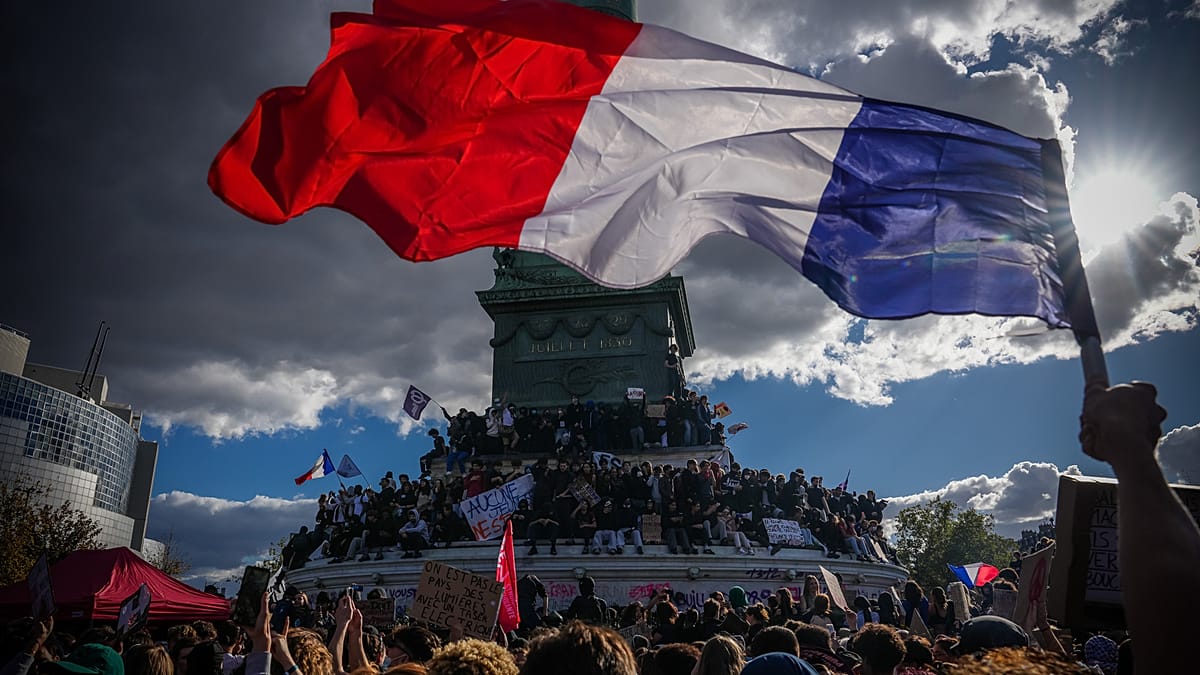
Spain's housing squeeze has become one of the country's most politically charged issues. In recent months, half a million people rallied in Madrid over rising costs, while comparisons with other European capitals show how sharply the pressure is felt in Spanish cities. The protest movement has drawn support from tenants' unions, pensioner groups and younger Spaniards locked out of home ownership.
The tribute on Thursday was small in scale but heavy with symbolism. Participants placed candles in a circle and read out messages calling for change. Some carried placards demanding that authorities do more to protect elderly residents and low-income families from losing their homes.
Political pressure mounts
Maricarmen's death has renewed scrutiny of Spain's eviction procedures and the pace of social housing construction. Activists argue that existing protections are too slow to take effect and too narrow in scope, leaving people in precarious situations without timely help. The central government in Madrid and regional authorities have traded blame over responsibility for housing policy, while municipal councils struggle with limited resources.
The wider European context is also relevant. Across the continent, from Lisbon to Berlin, cities face similar tensions between property markets and residents' needs. But Spain's combination of high unemployment in some regions, a large rental sector and a tourism-driven demand for short-term lets has made the crisis particularly acute. As one demonstrator put it, Maricarmen's story is "not an exception — it is what happens when the system looks away."
Organisers said further actions are planned in the coming weeks, including a march through central Madrid and a petition to regional lawmakers. They insist that the fight will go on, both in memory of Maricarmen and for the thousands of others facing similar pressures.
For now, the improvised shrine in the capital stands as a quiet reproach — and a promise that the movement she came to represent will not fade.