Italy's Prime Minister Giorgia Meloni took an unusual step this week: she posted an AI-generated image of herself in underwear that had already been circulating on social media. The move was a deliberate warning. If a head of government can be targeted by deepfake technology, Meloni argued, then no one is safe.
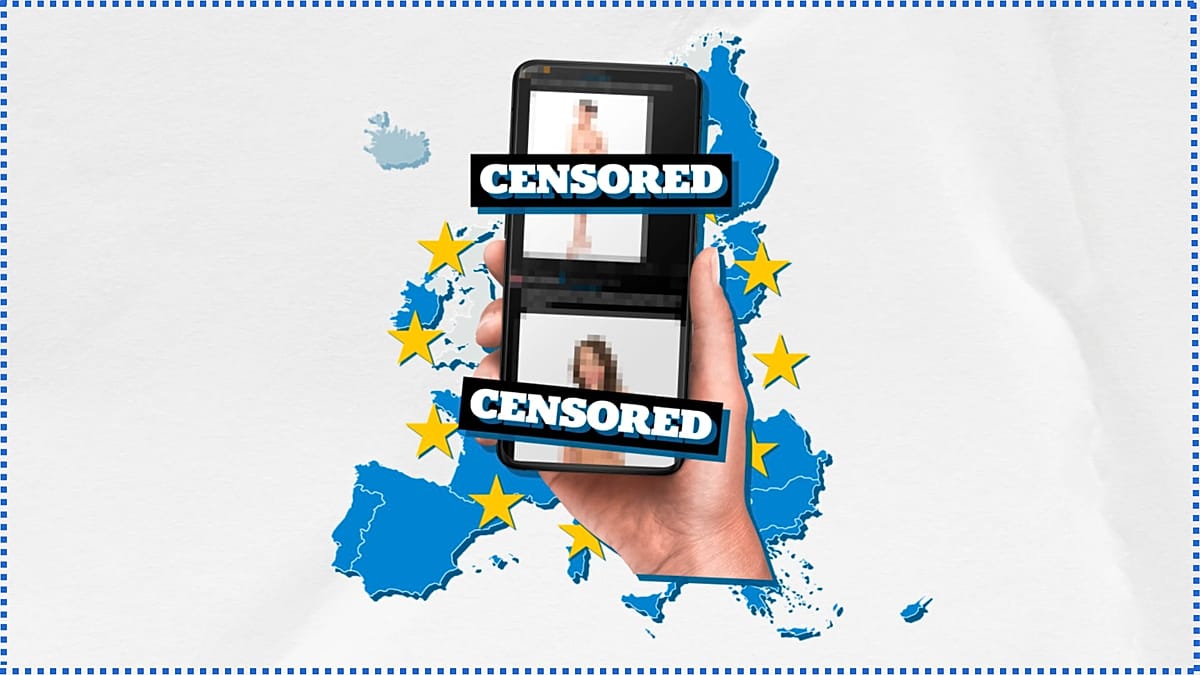
The stunt comes as the European Union accelerates efforts to regulate the very tools that make such abuses possible. On Thursday, EU negotiators reached a political deal to ban so-called “nudification” apps — software that uses artificial intelligence to create non-consensual sexually explicit images and videos. The measure is part of a broader revision of the AI Act, the bloc's flagship legislation on artificial intelligence, which aims to streamline rules and reduce compliance burdens for companies developing AI technologies.
Why the Ban Matters
While public figures like Meloni have access to legal teams and platform support, most victims of deepfake abuse do not. The ban on nudification apps is designed to close a loophole that has allowed the rapid spread of such tools across Europe. The legislation is expected to become fully enforceable across all 27 member states by December, a relatively fast timeline for EU lawmaking.
The issue has gained urgency as deepfake incidents have multiplied. In Italy, the Meloni case has sparked a broader debate on AI regulation and online safety, as covered in our earlier report here. The problem is not confined to Italy; journalists and public figures across the continent have been targeted by coordinated disinformation campaigns using manipulated voices and stolen images.
What Protections Exist Now?
Until the ban takes effect, existing privacy laws offer some recourse. Under the EU's General Data Protection Regulation (GDPR), an individual's image is considered personal data. Victims can invoke the “right to erasure” to force platforms to remove fake content. However, the process can be slow and burdensome, especially for those without legal resources.
Meloni's warning also resonates beyond Italy. In Hungary, Prime Minister-elect Viktor Orbán's recent meeting with Meloni, as reported in Magyar Meets Meloni, signals a potential alignment on digital sovereignty issues. Meanwhile, the EU's broader AI Act revision reflects a growing consensus that technology must be reined in to protect citizens.
The ban on nudification apps is a concrete step, but enforcement will be key. The European Commission will need to ensure that member states implement the rules uniformly, and that platforms cooperate in removing illegal content. For now, the message from Brussels is clear: non-consensual deepfakes will not be tolerated.
As Meloni's gambit shows, even the most powerful can be victims. The difference is that the EU is now moving to ensure that everyone has the same protection.